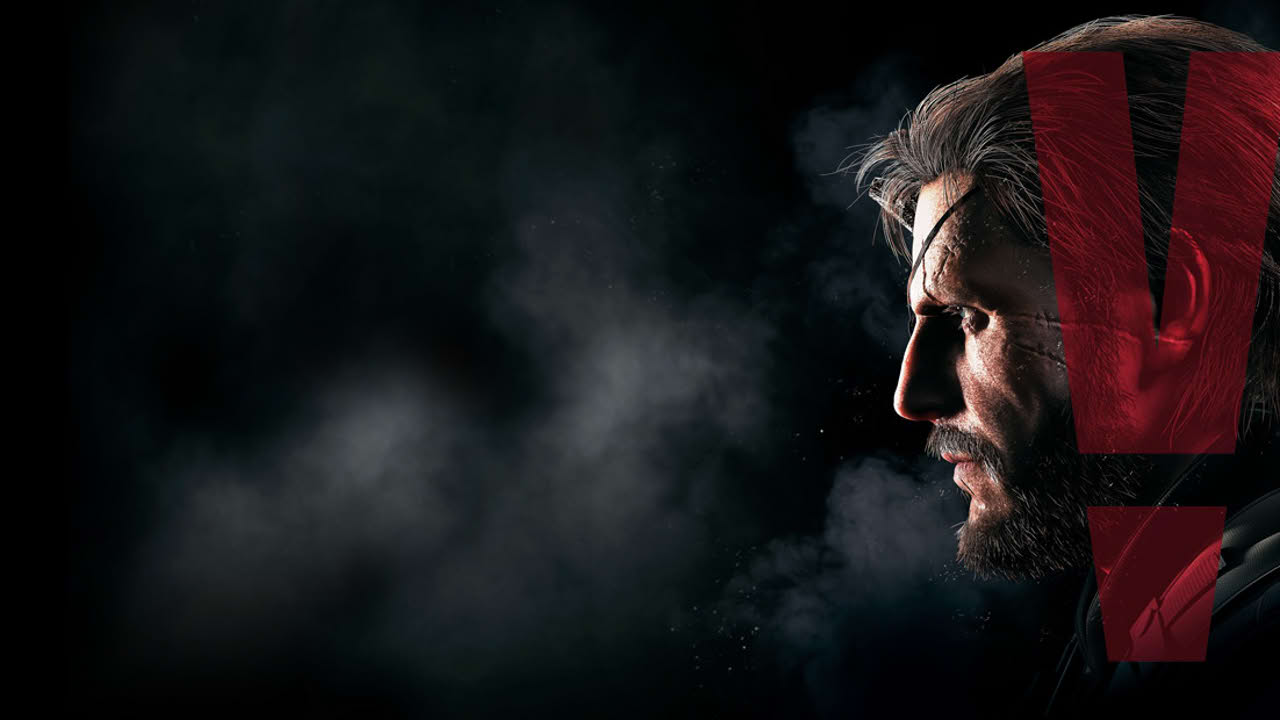
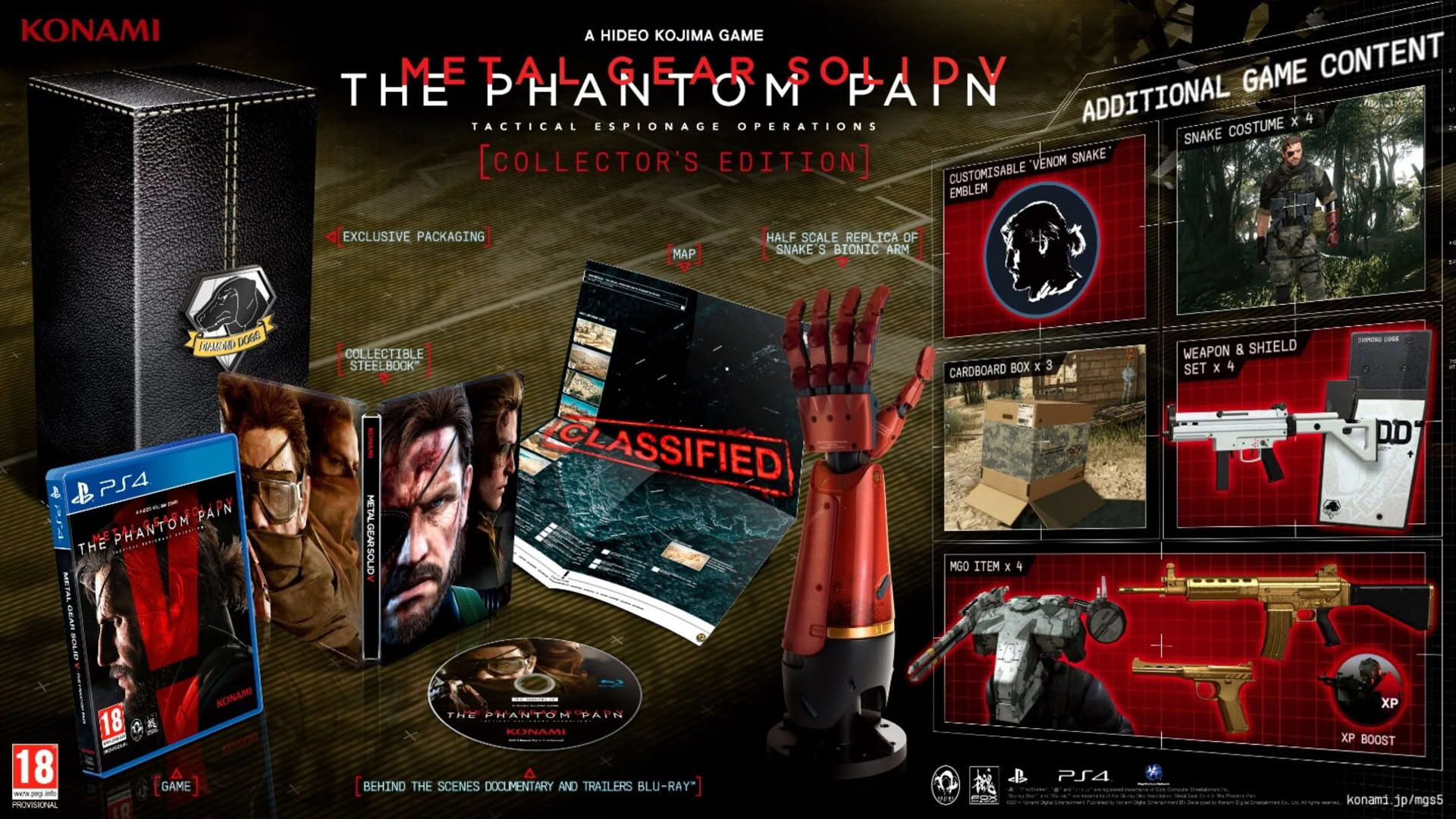
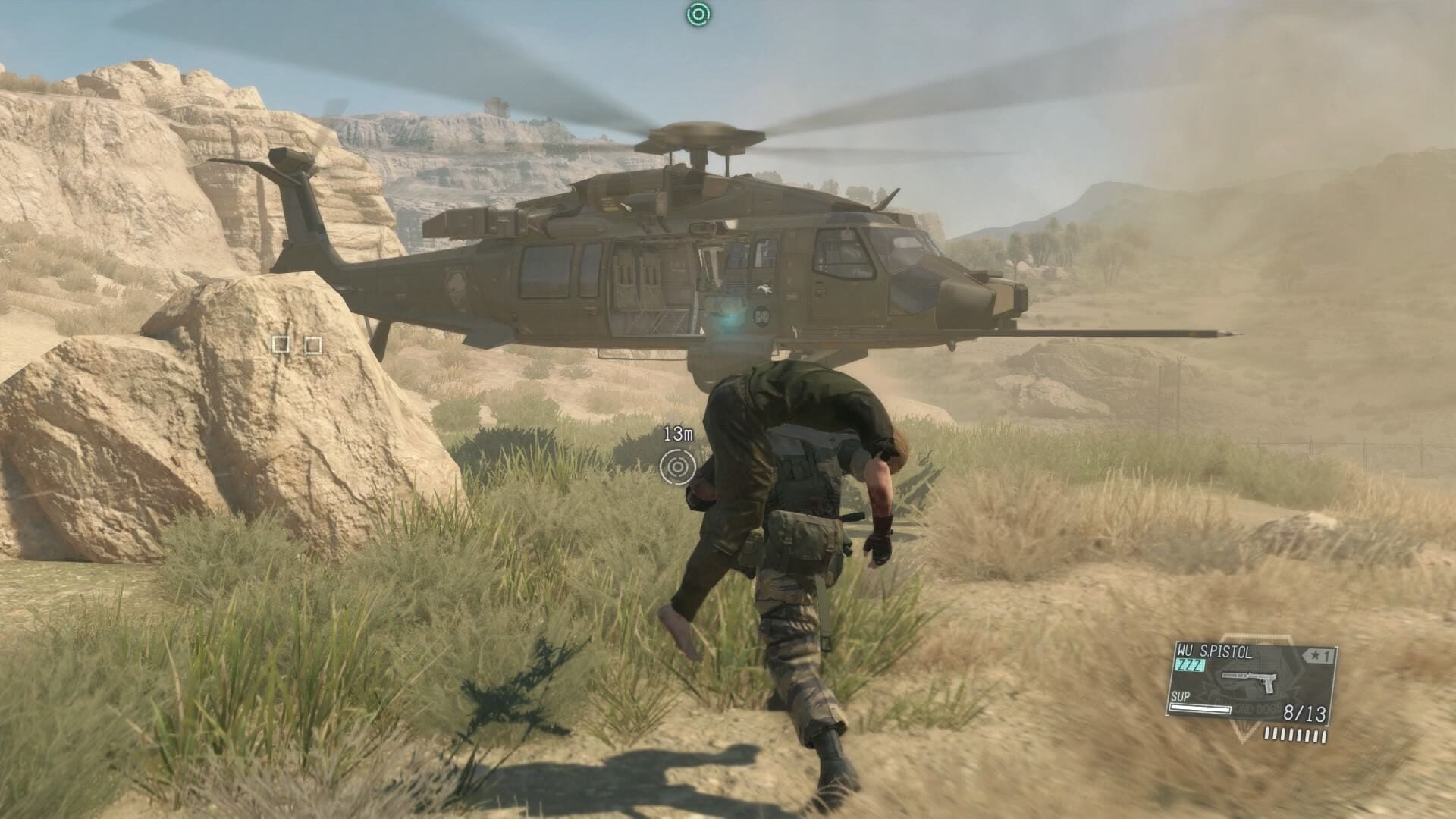
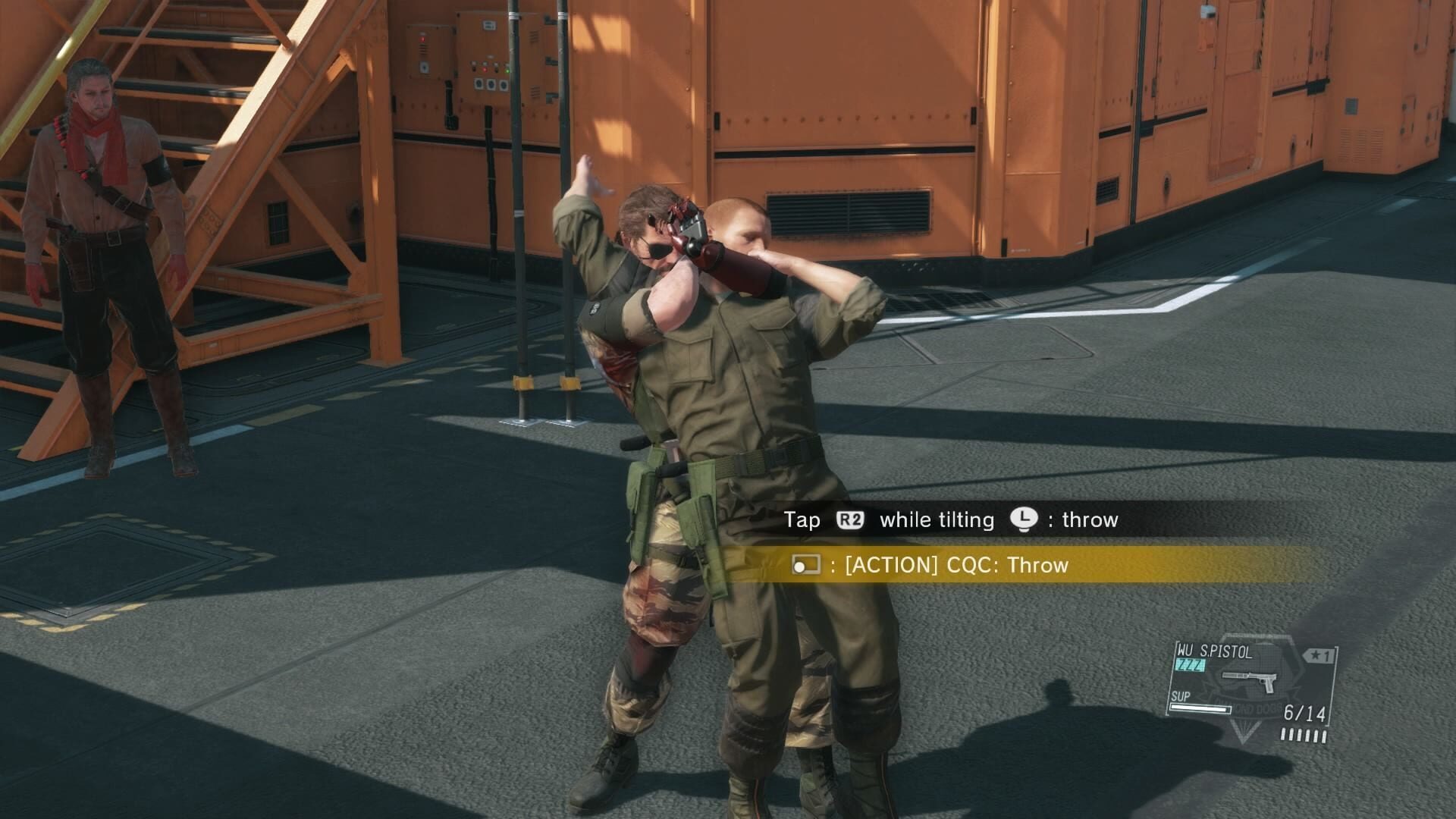
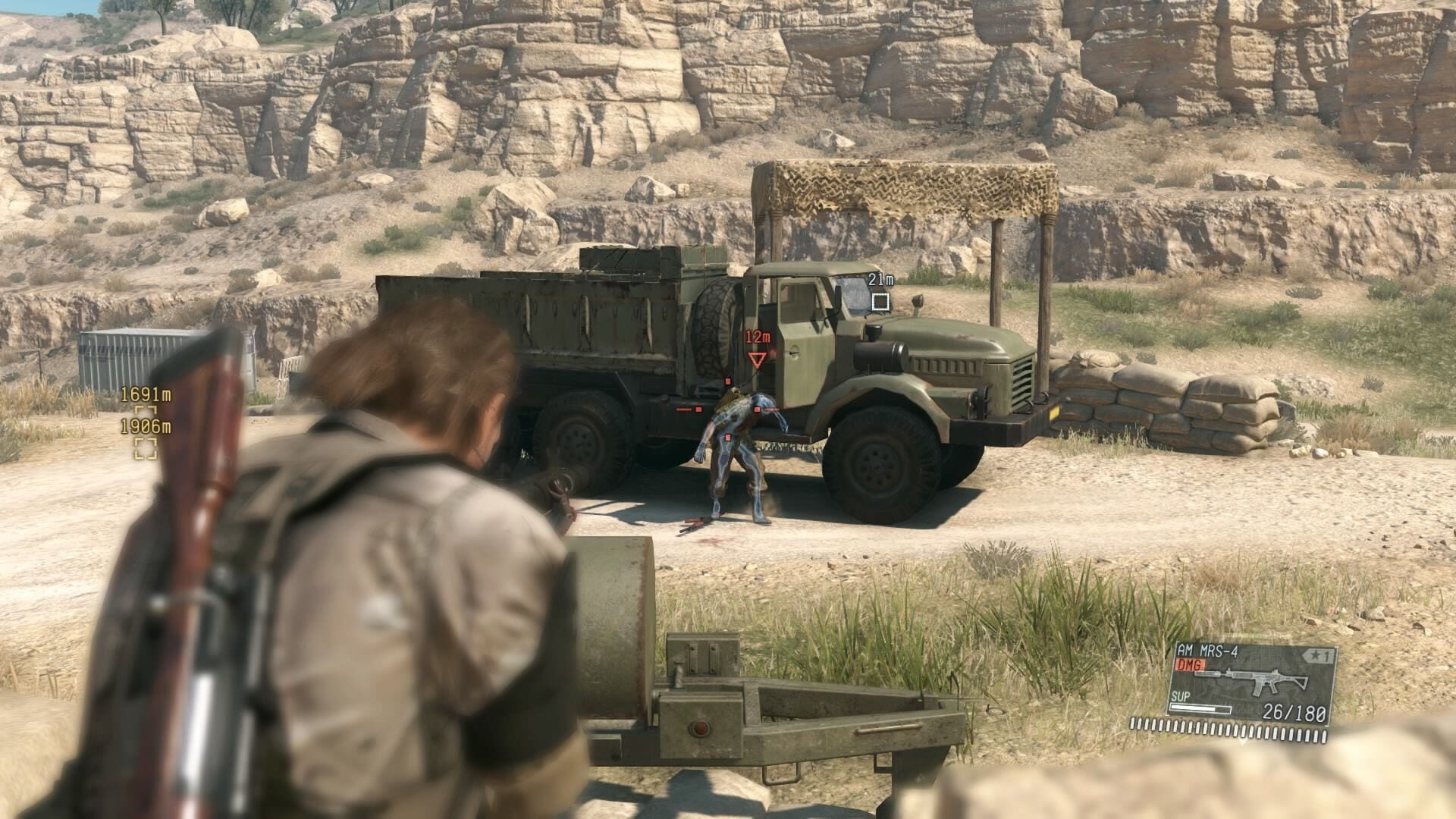
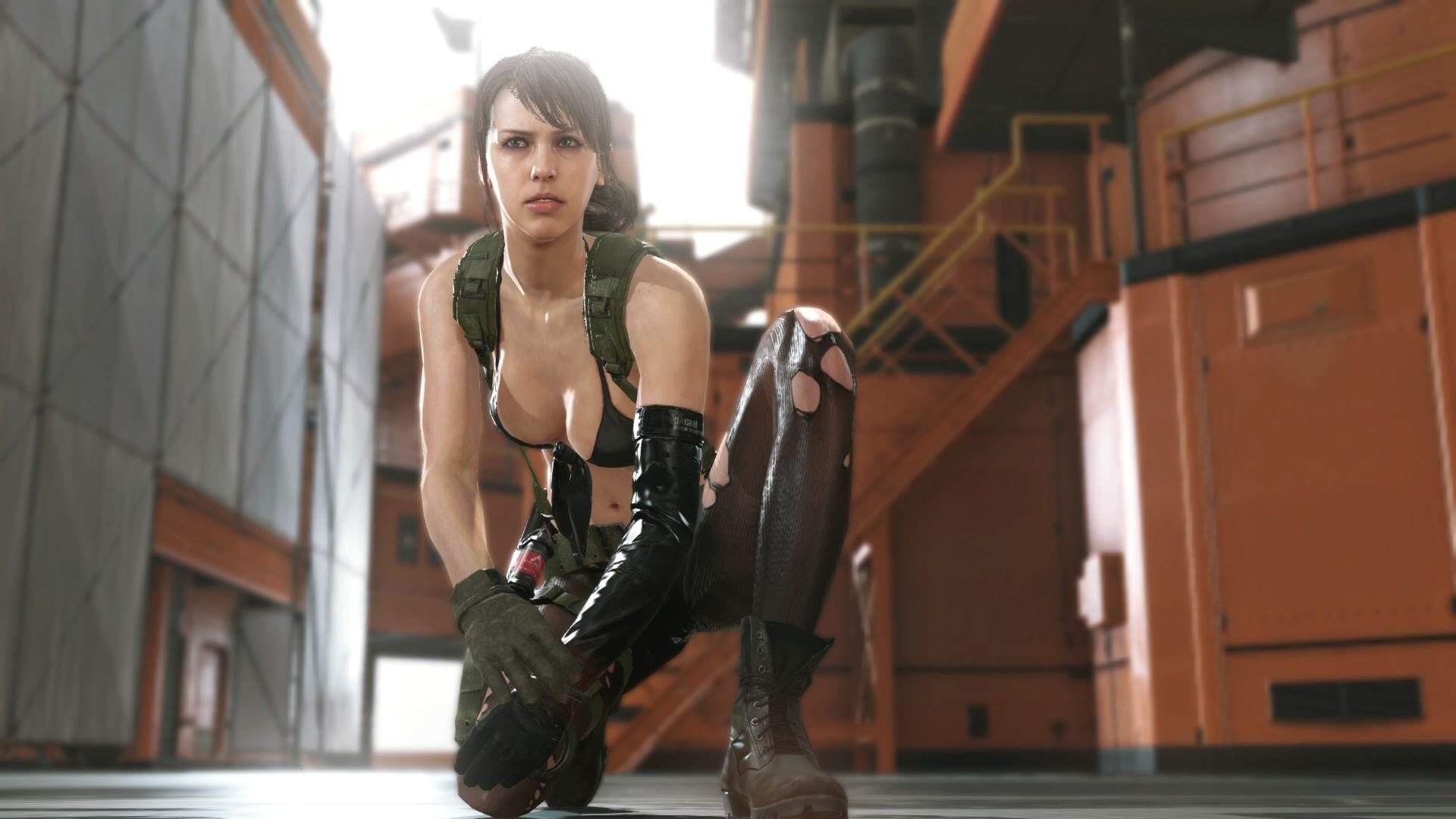
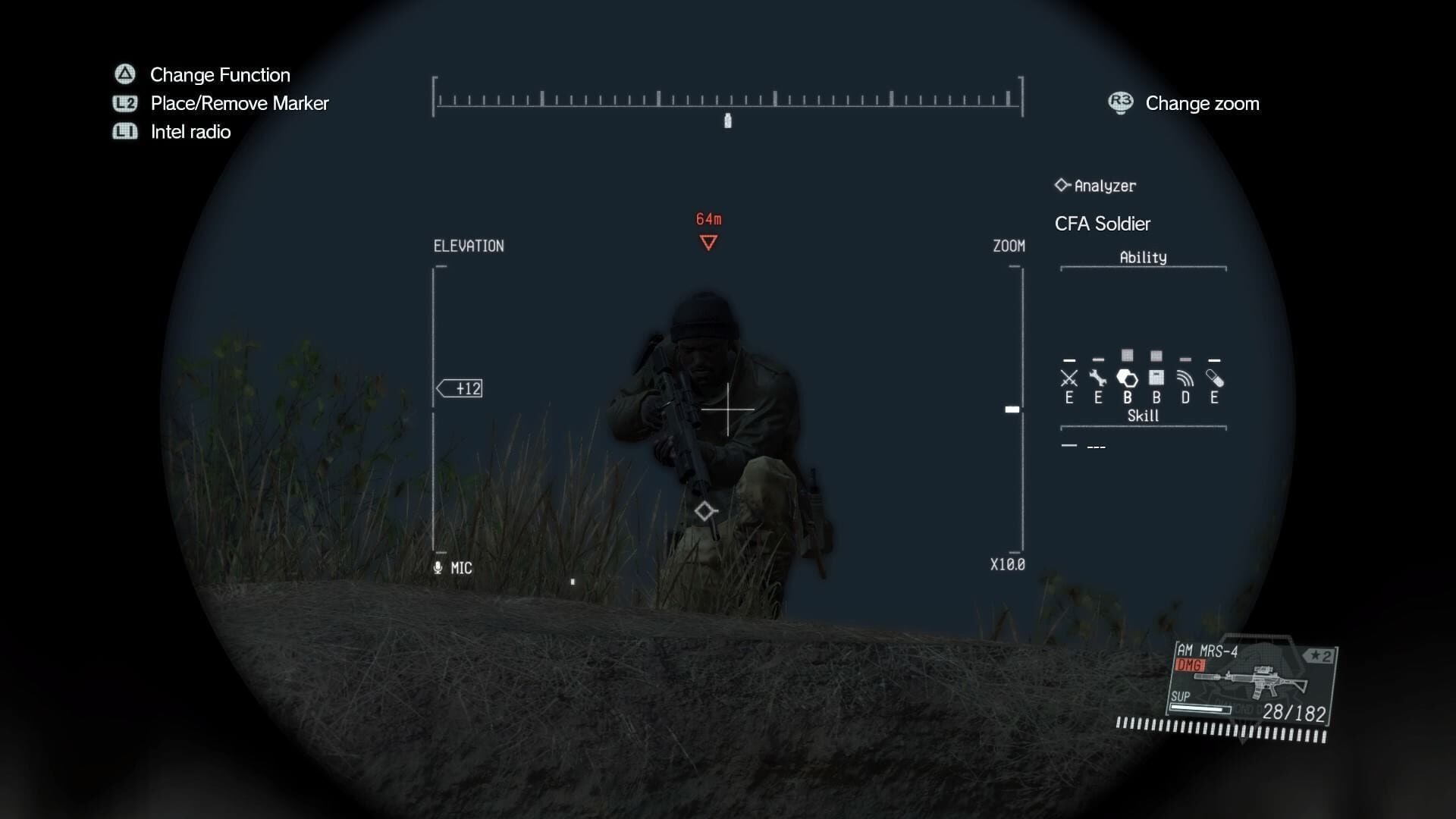
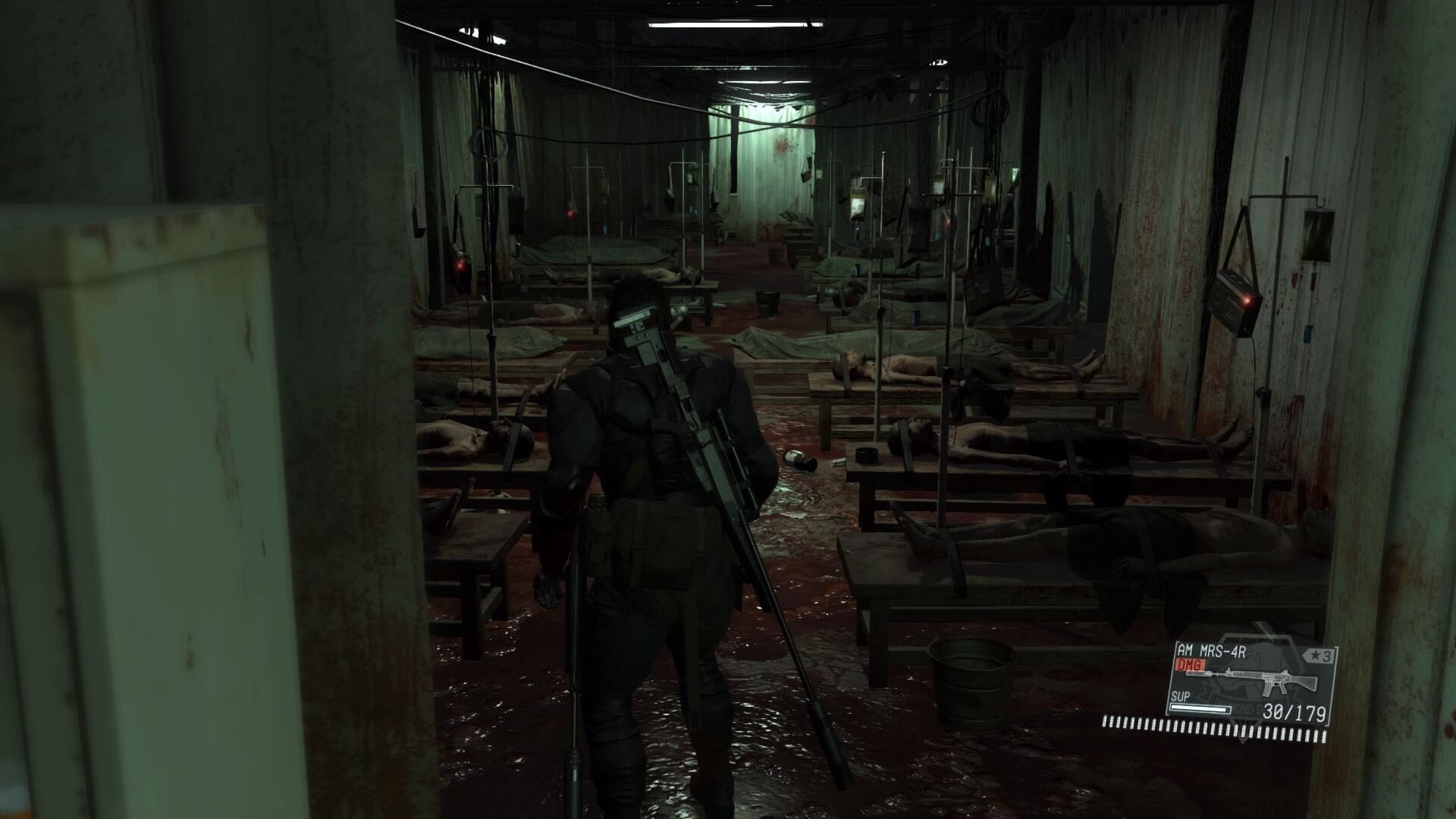
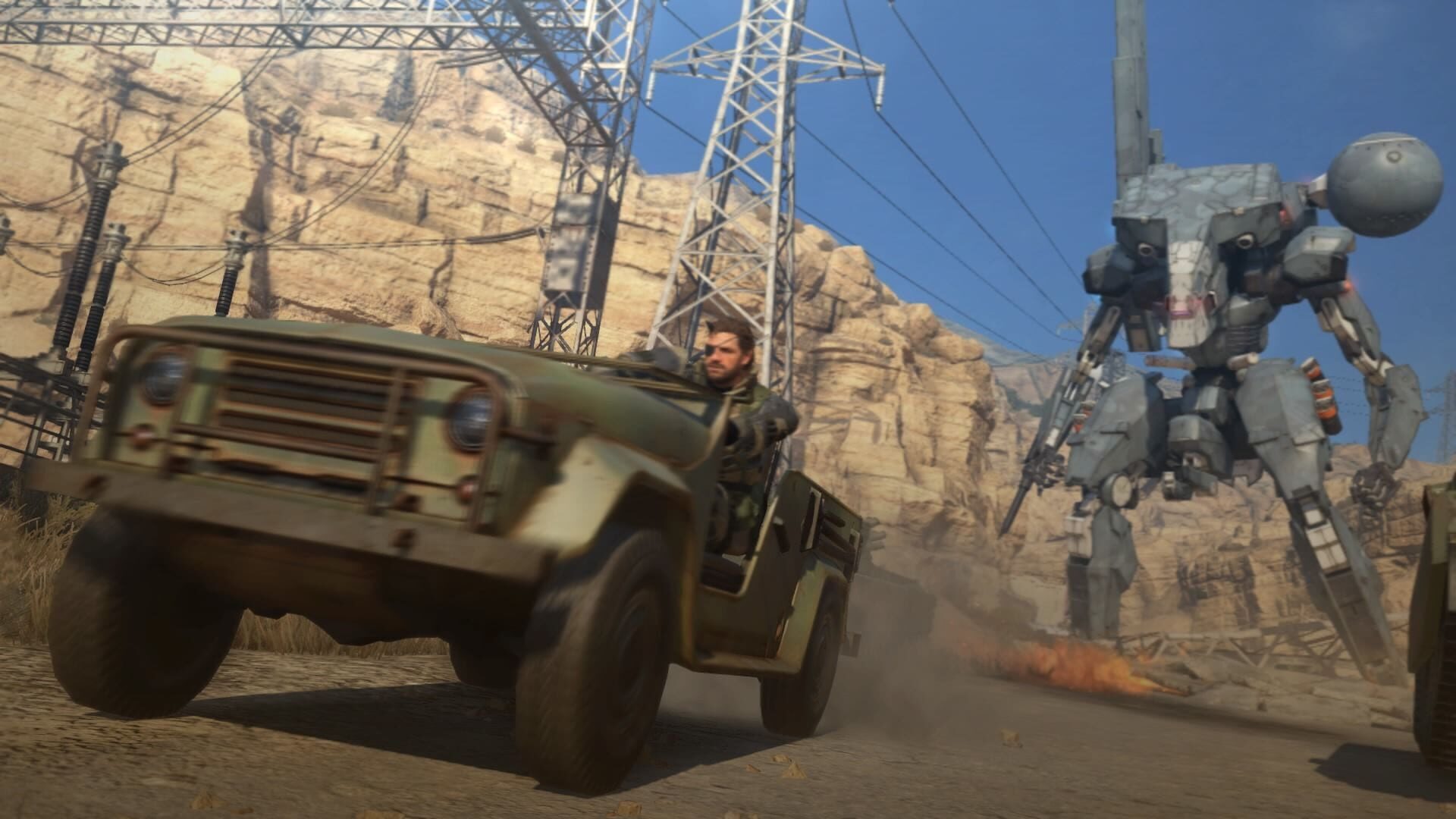
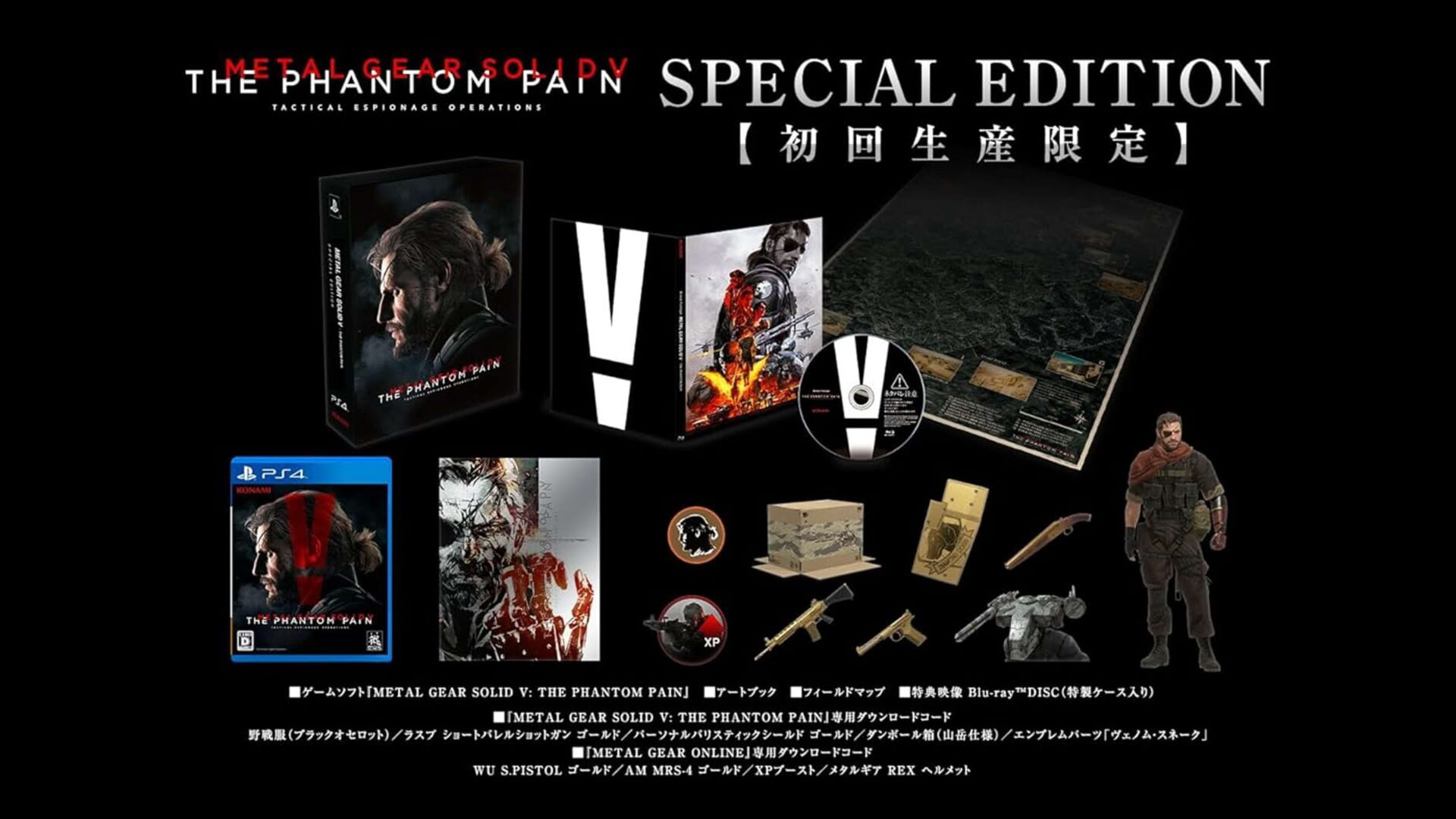
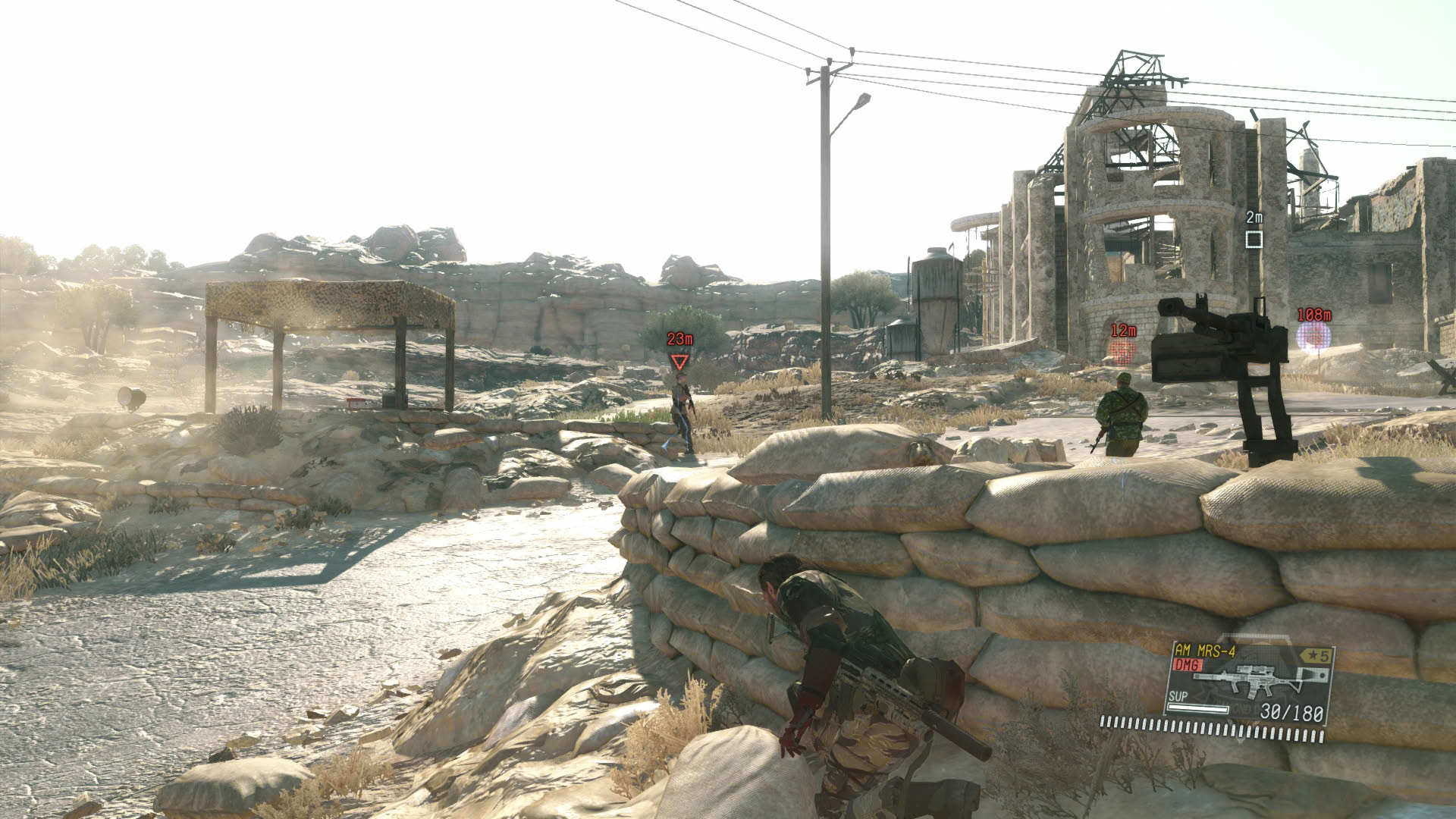
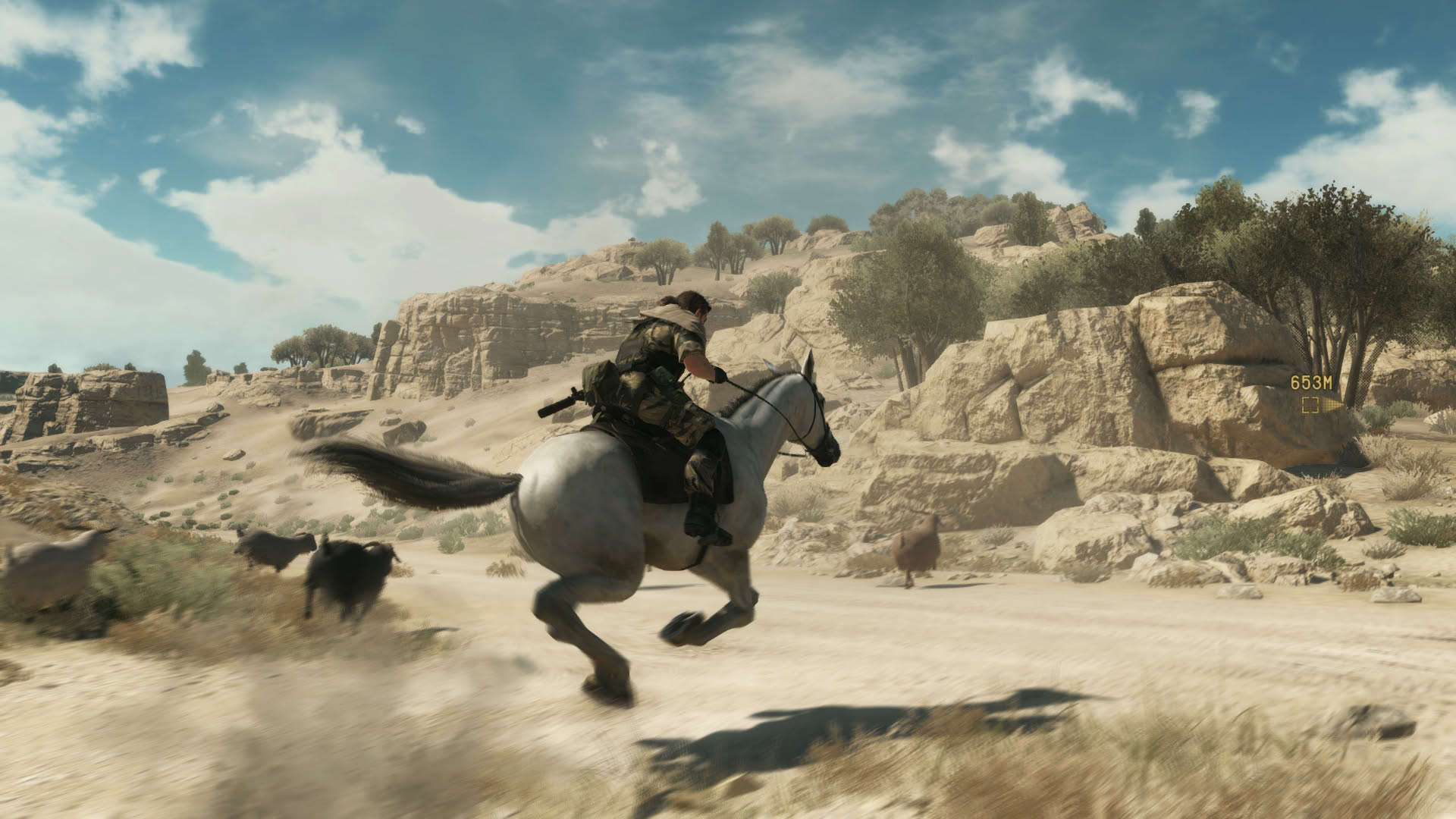
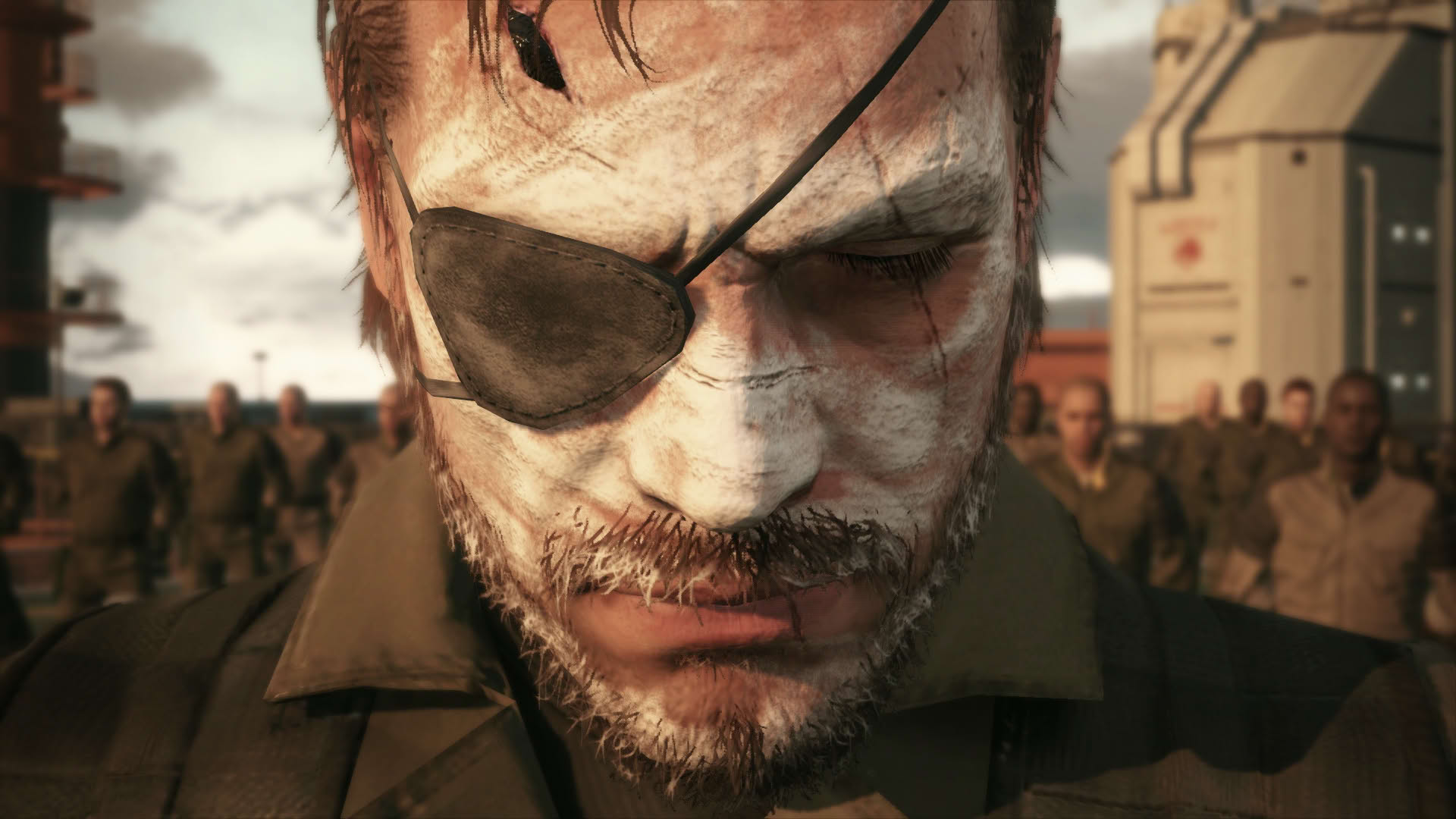
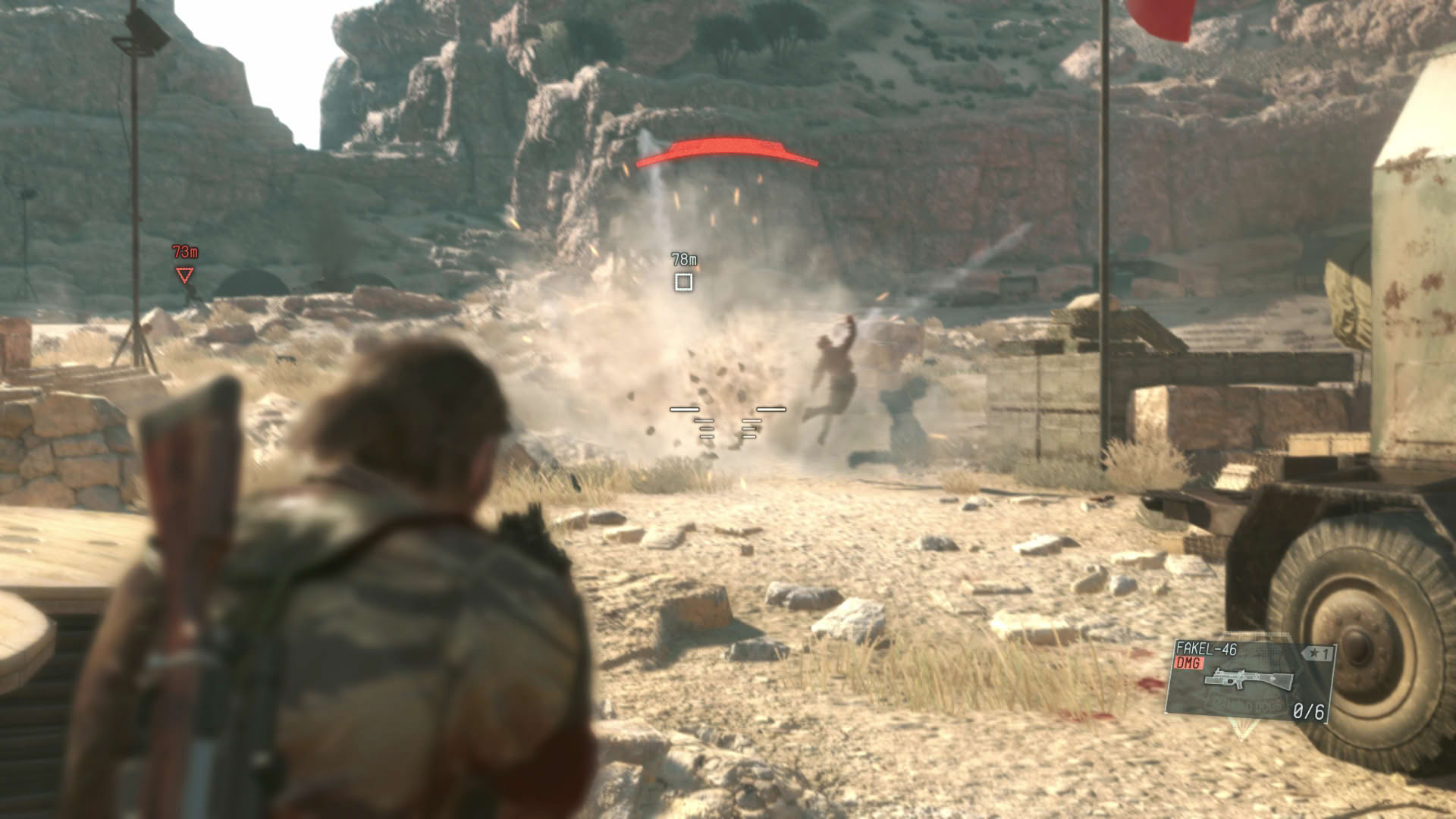
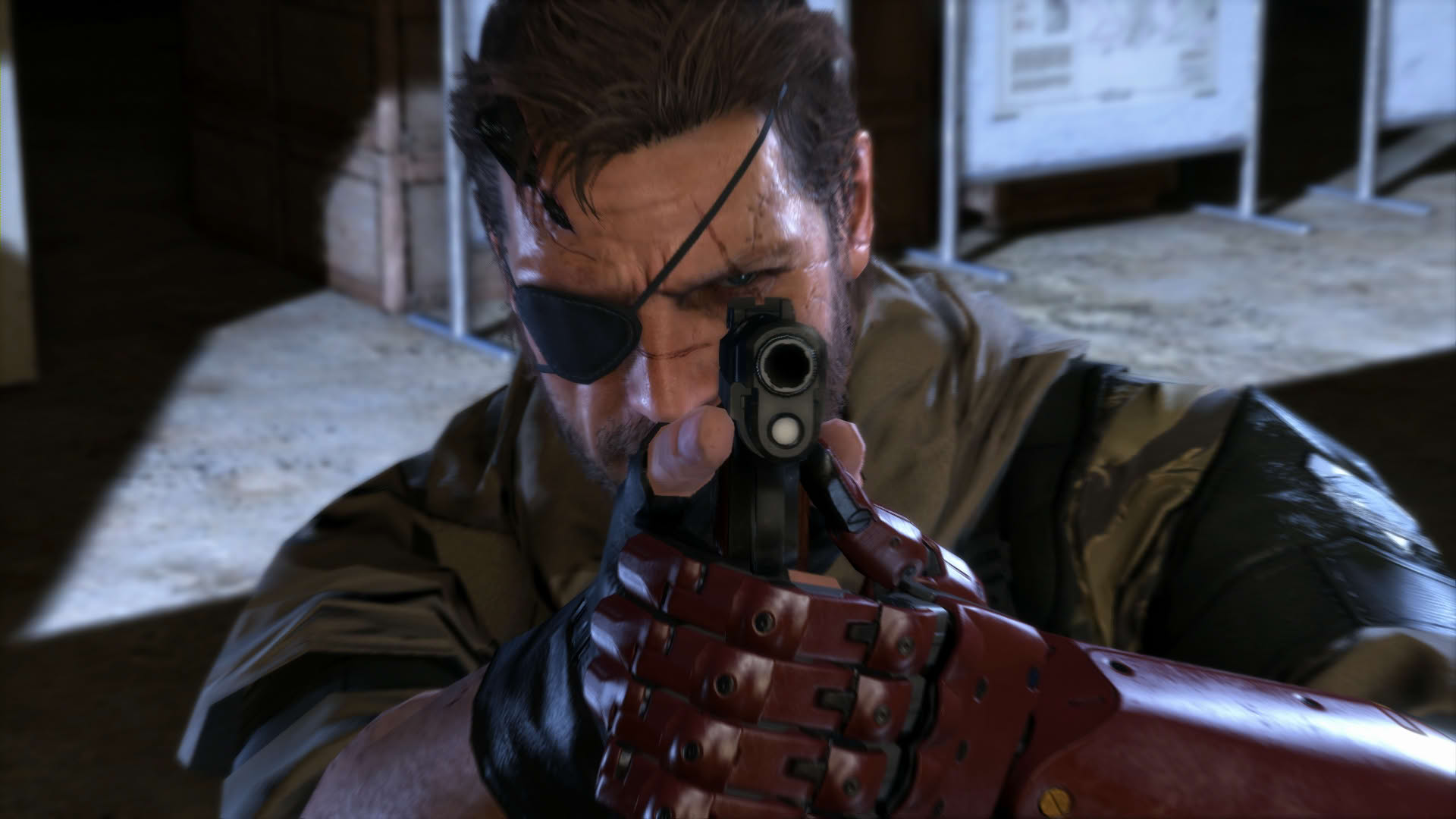
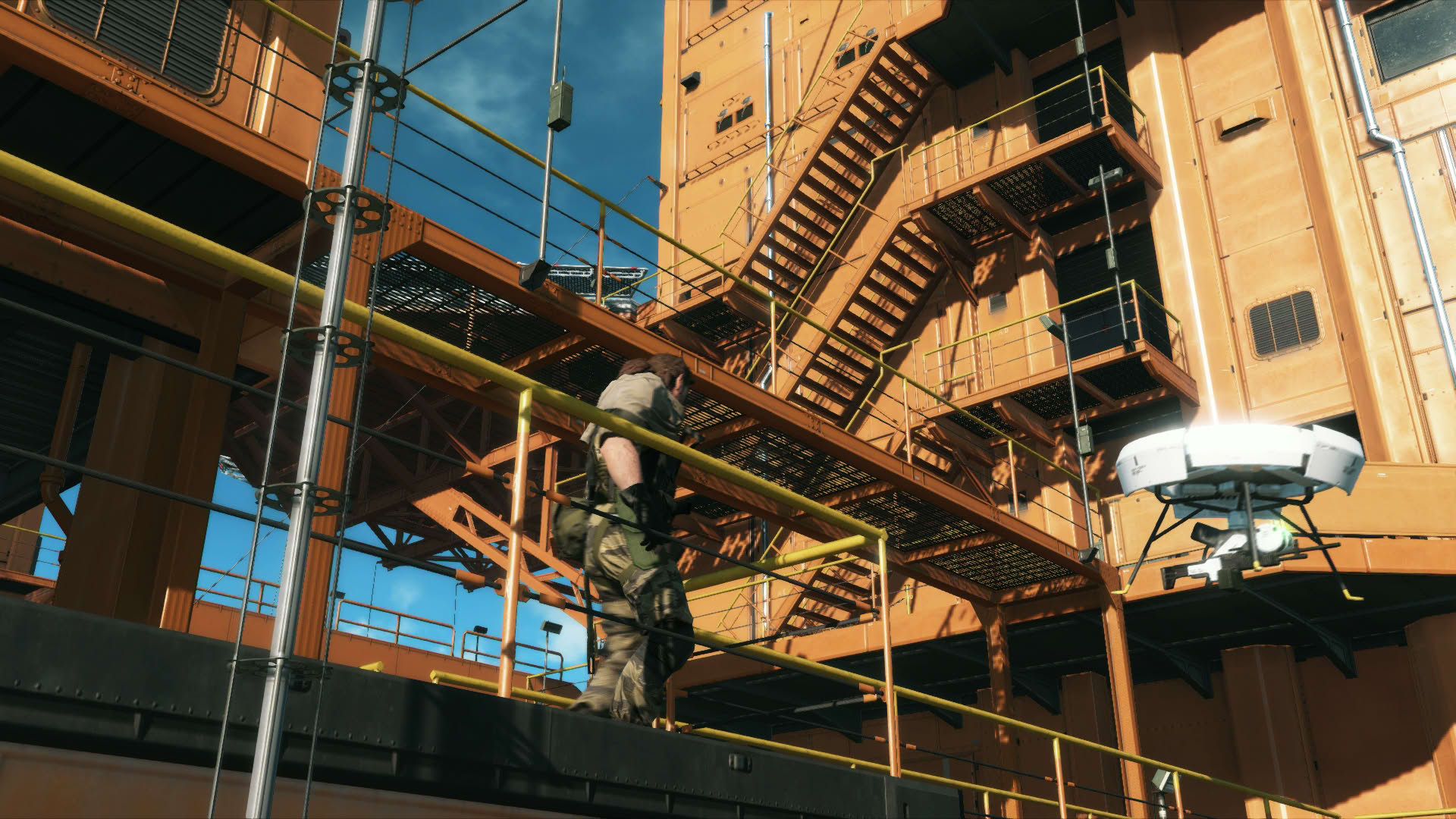
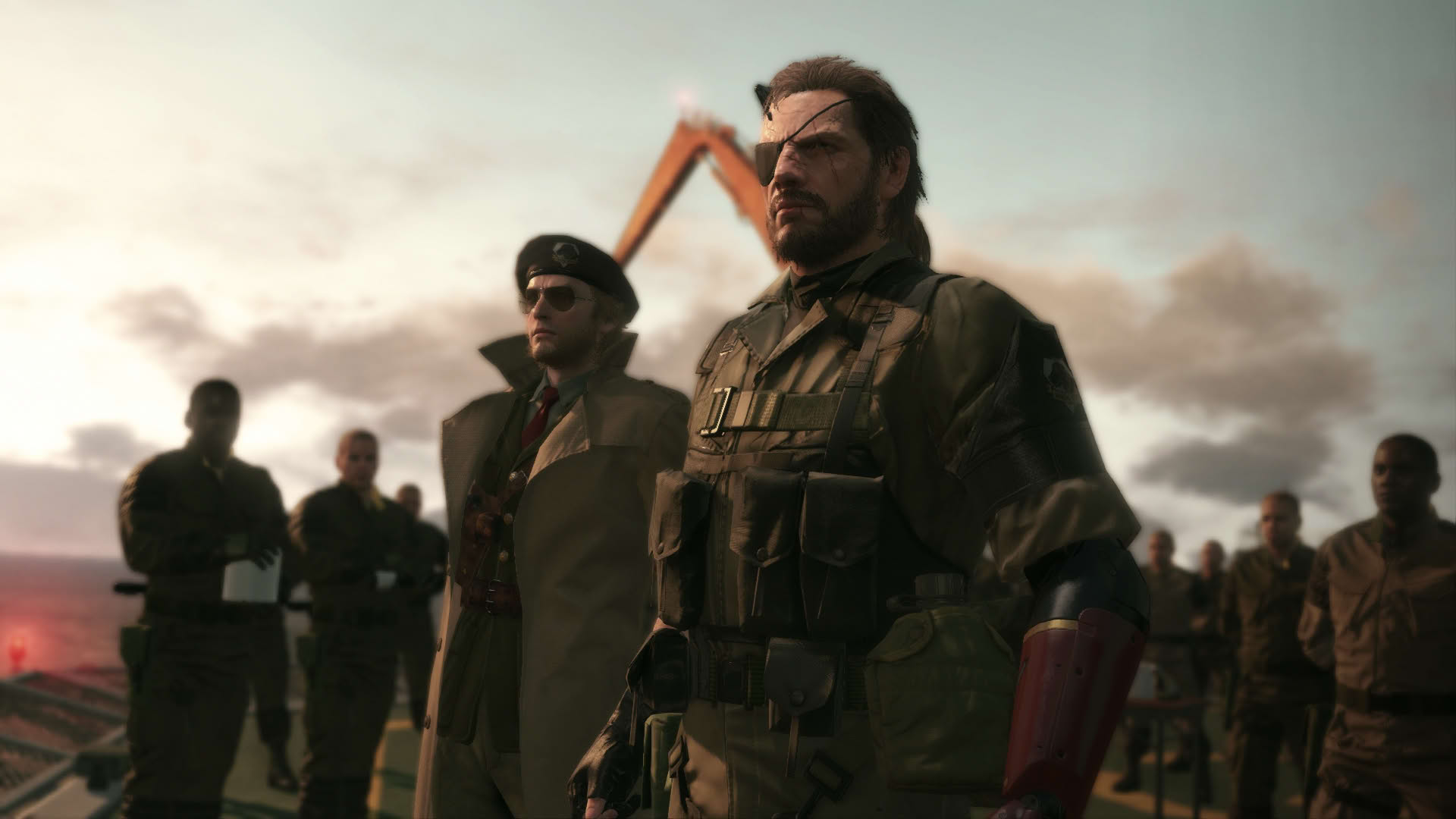
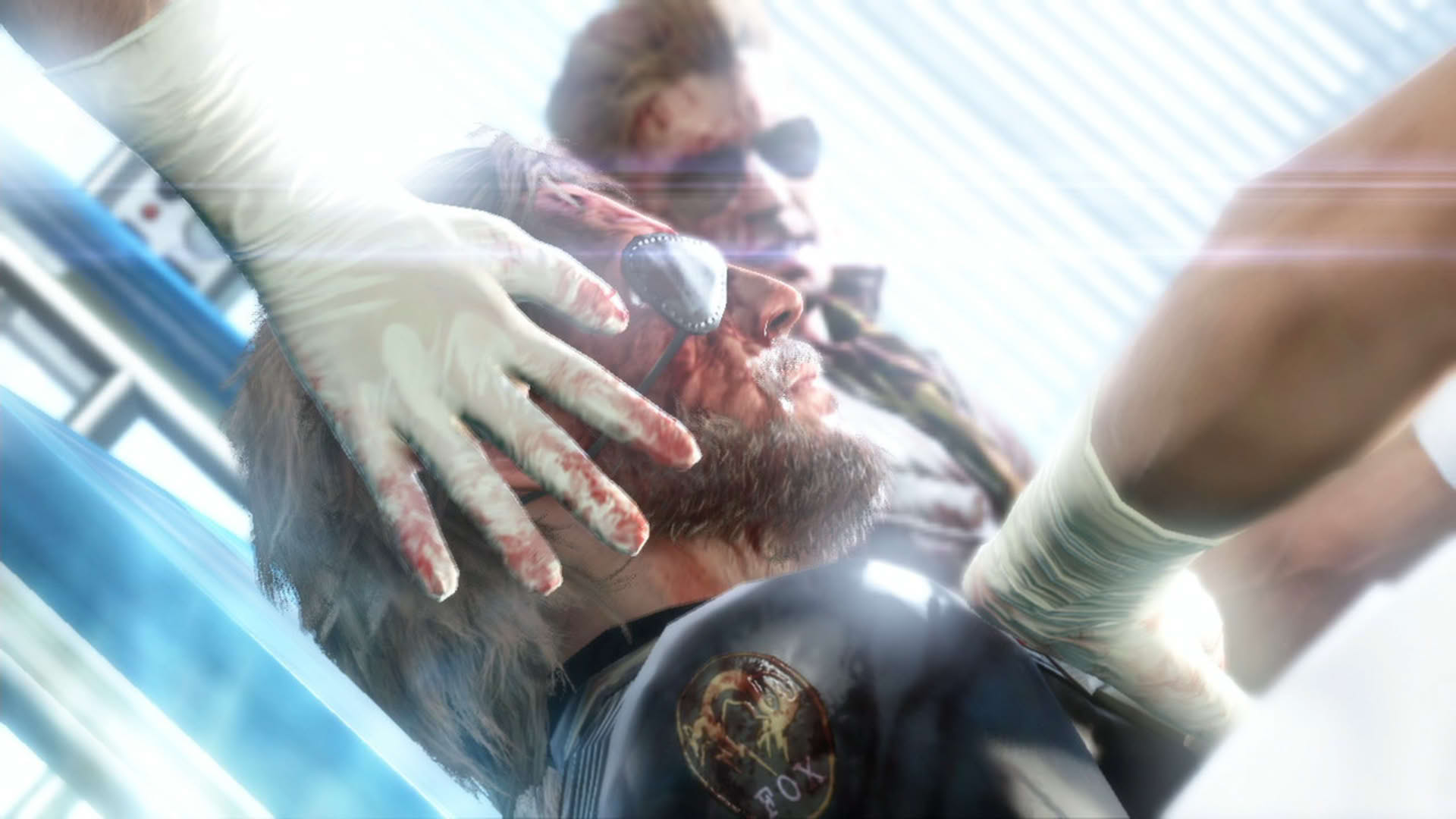
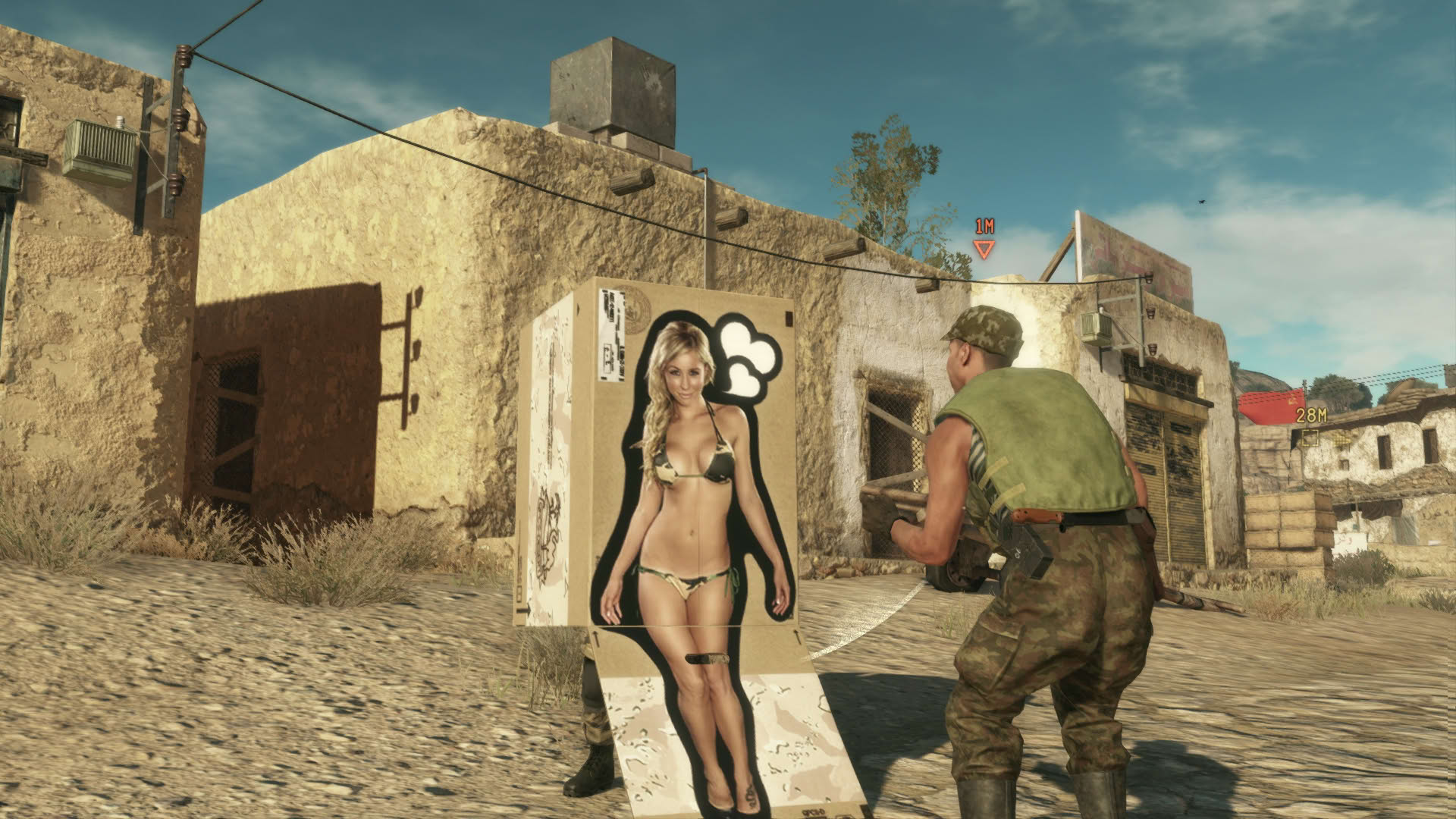
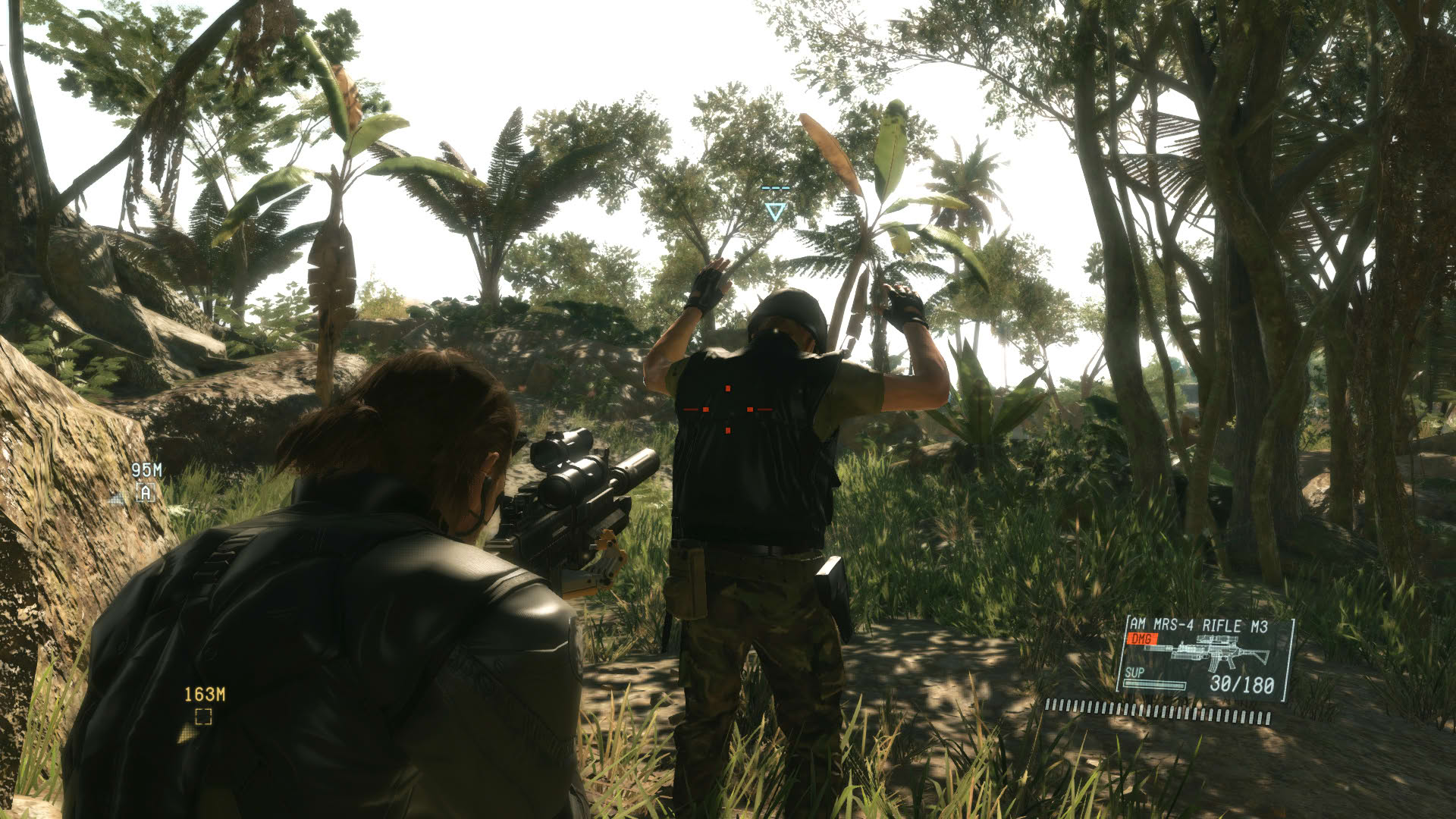
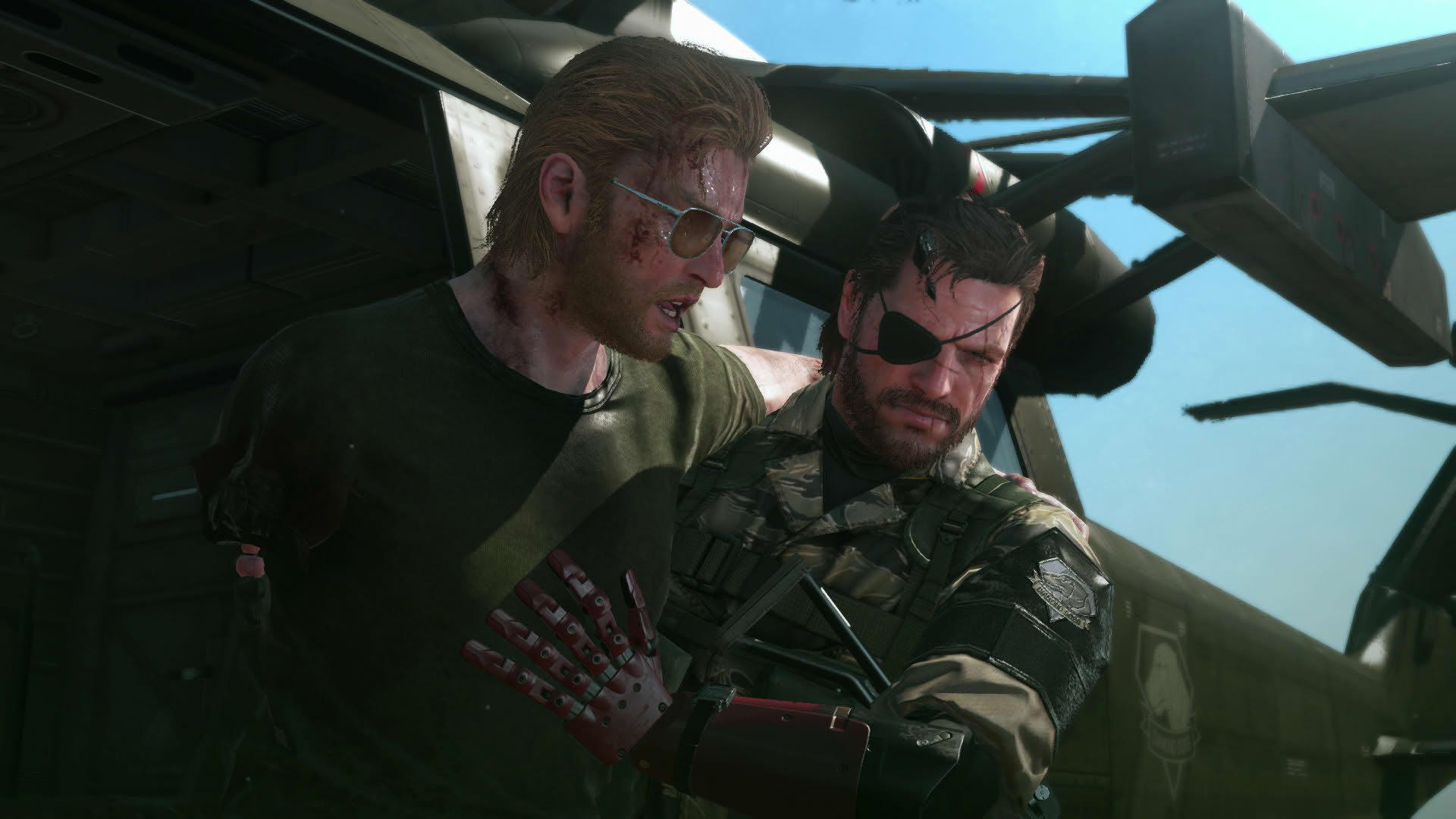
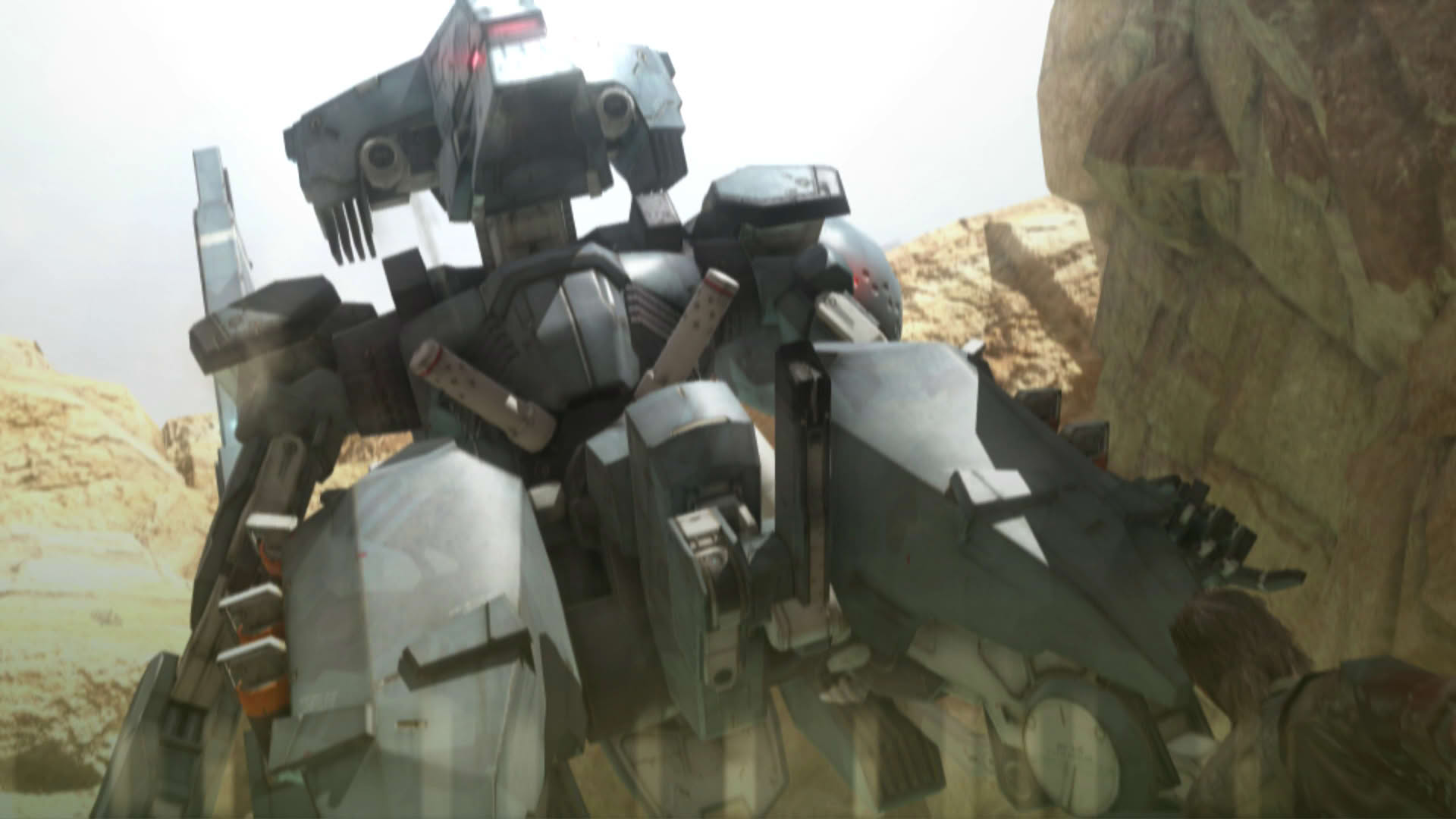
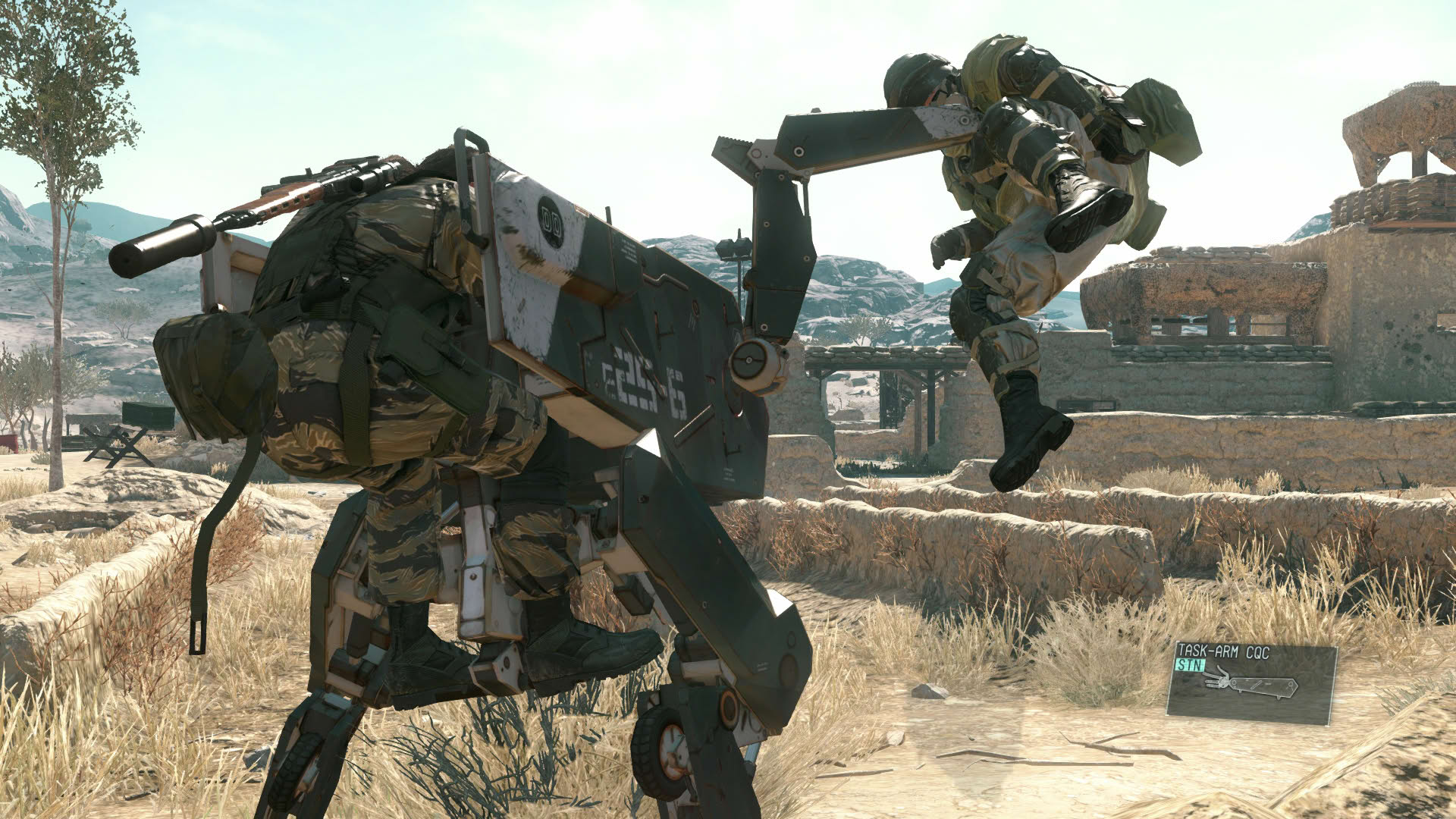
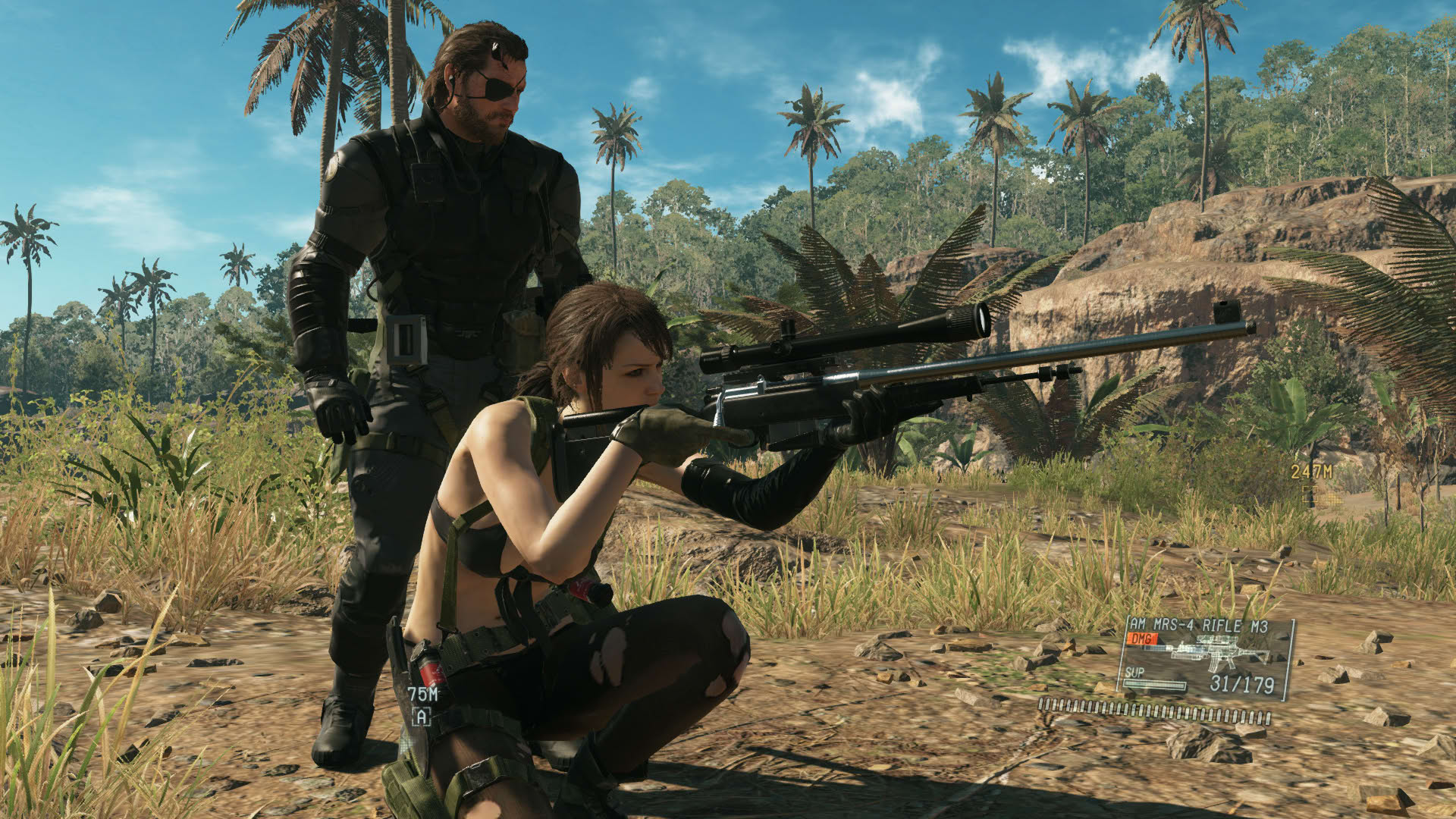
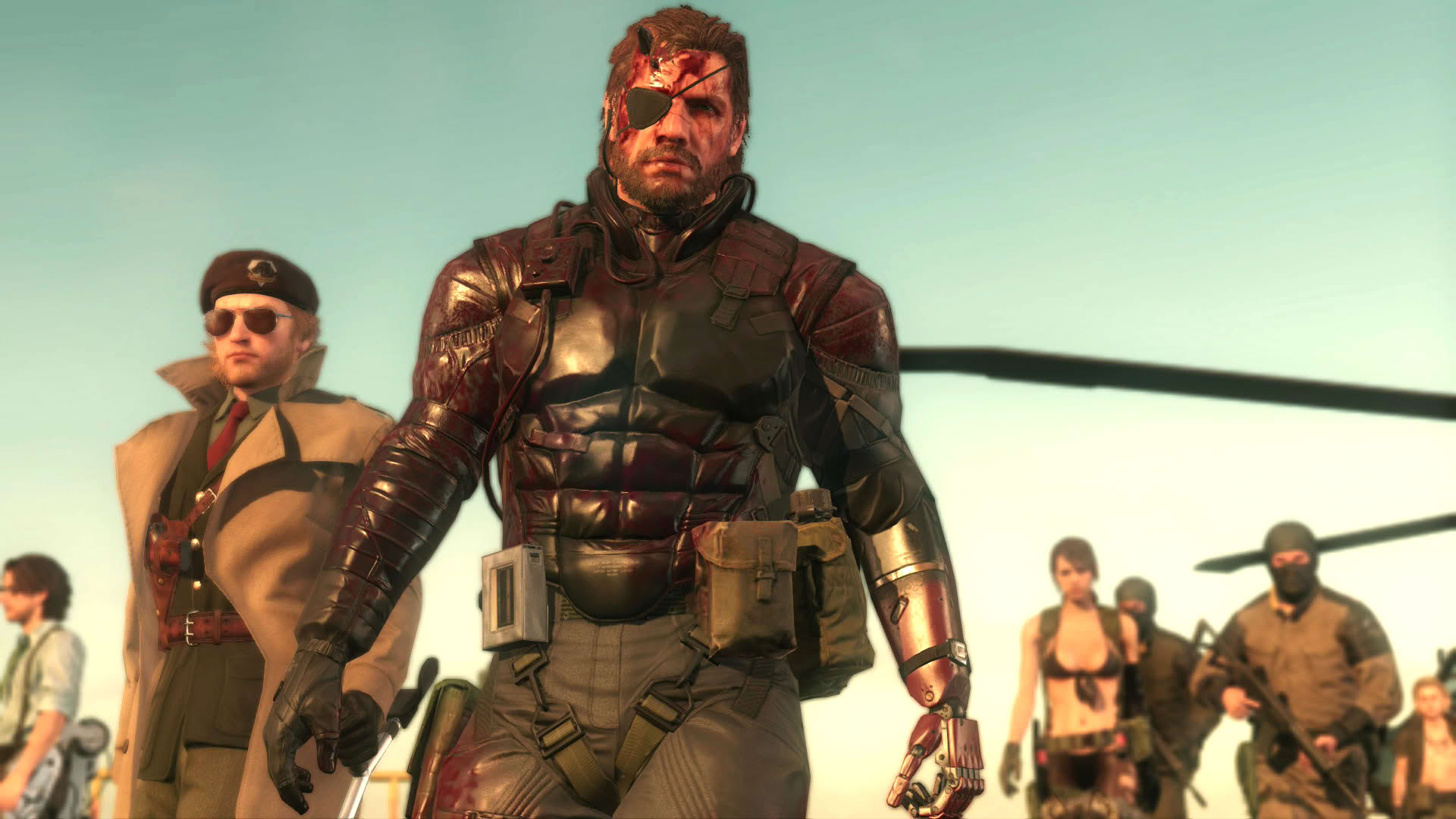
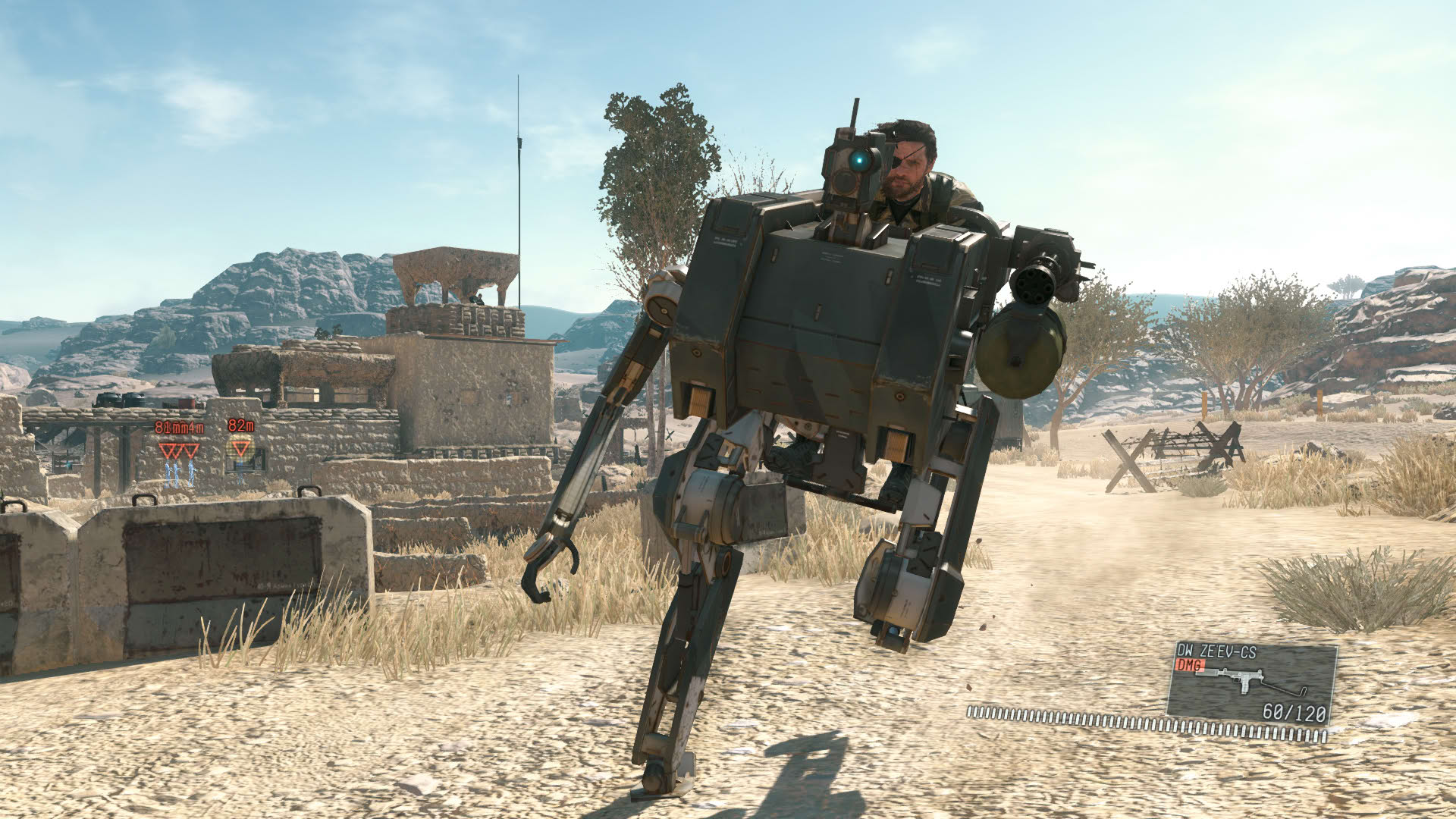
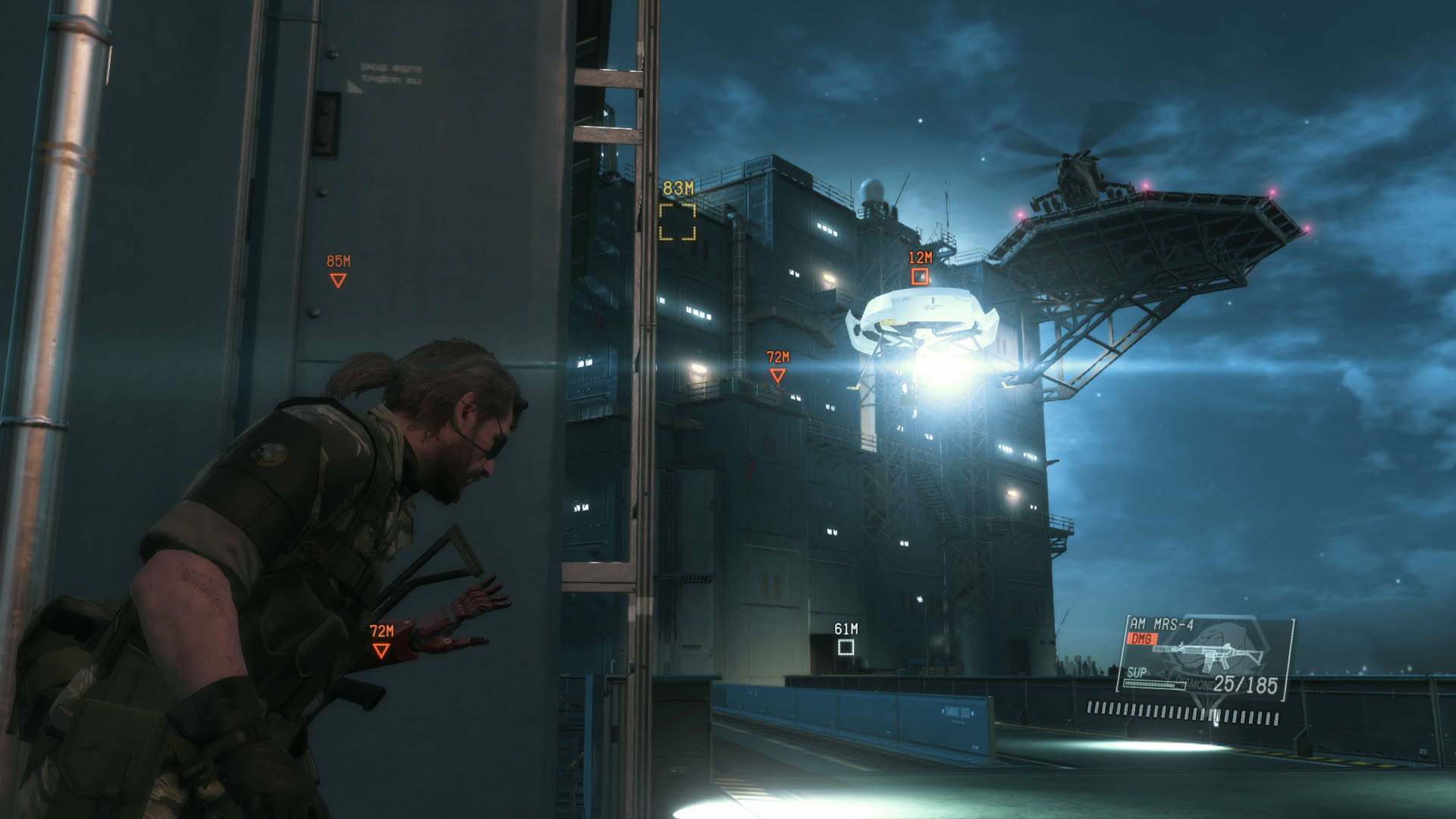
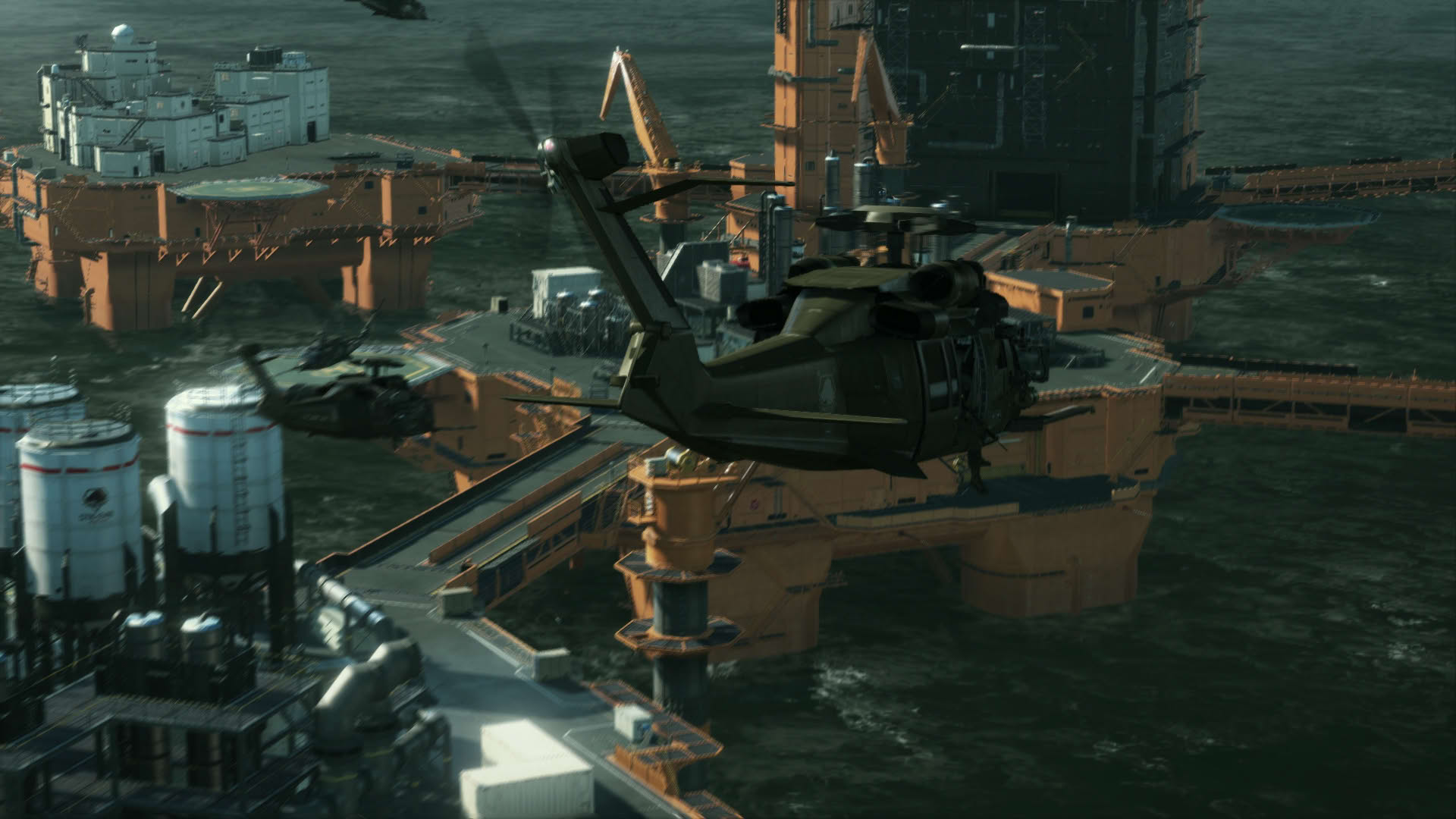
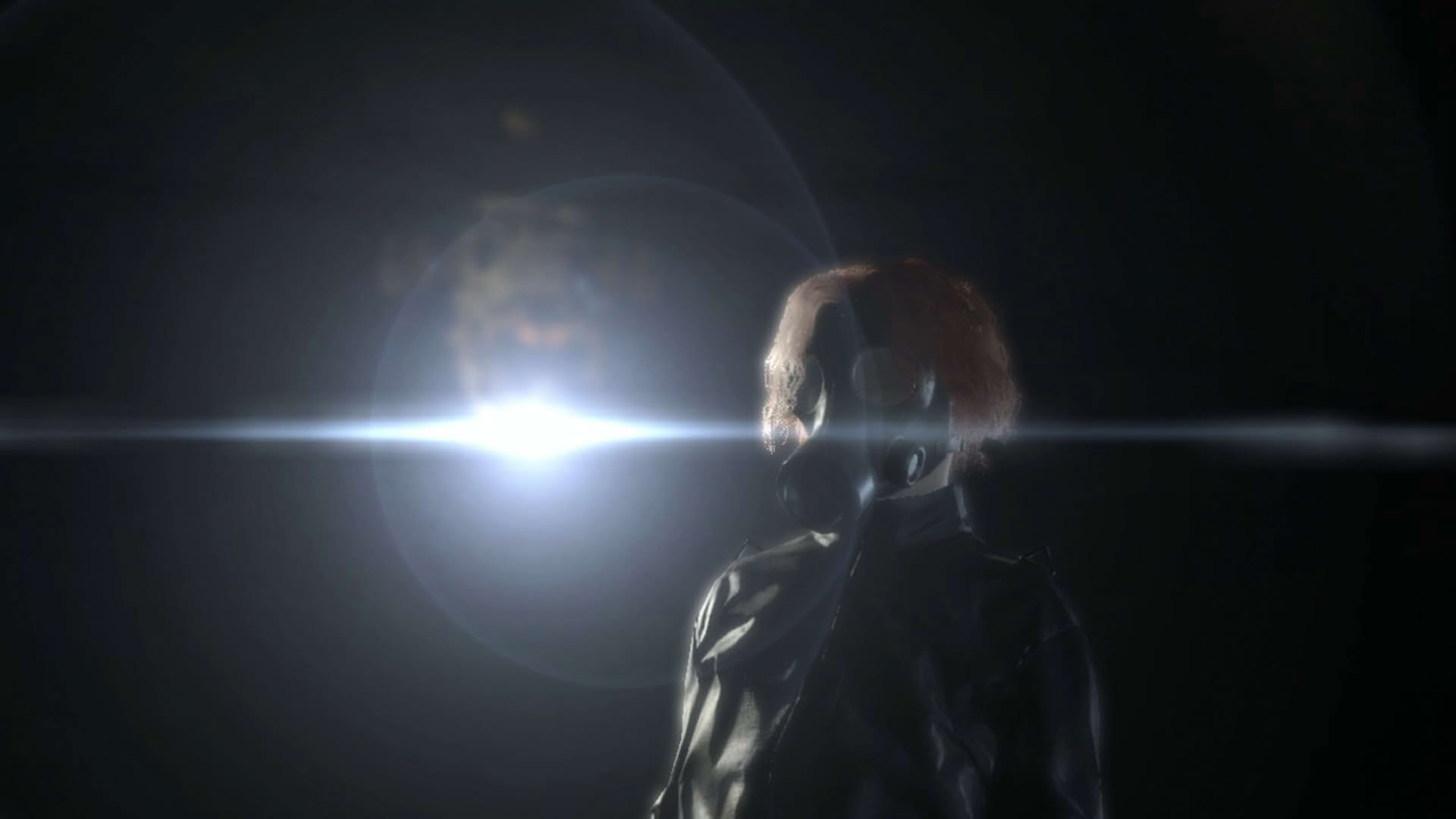
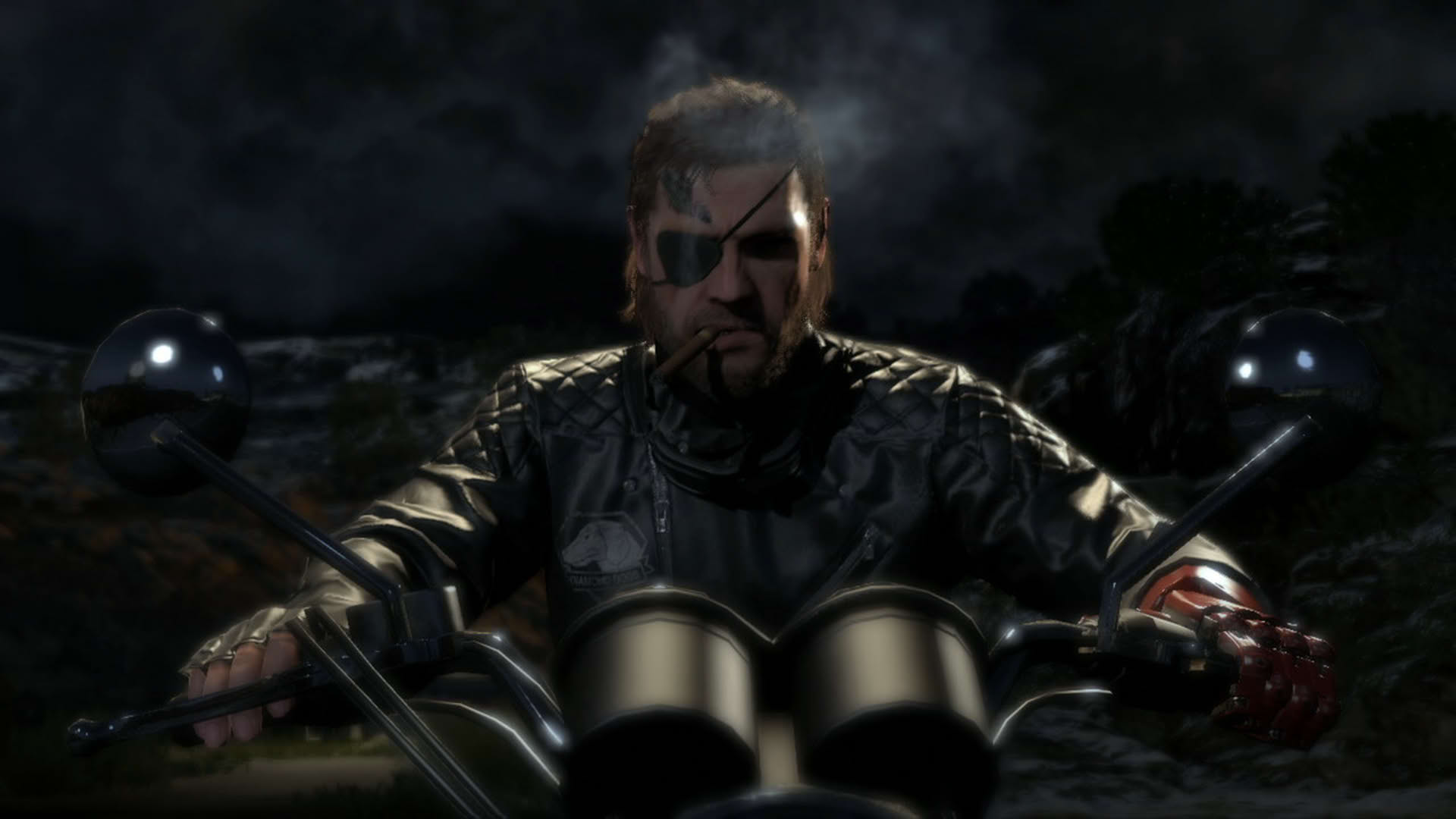
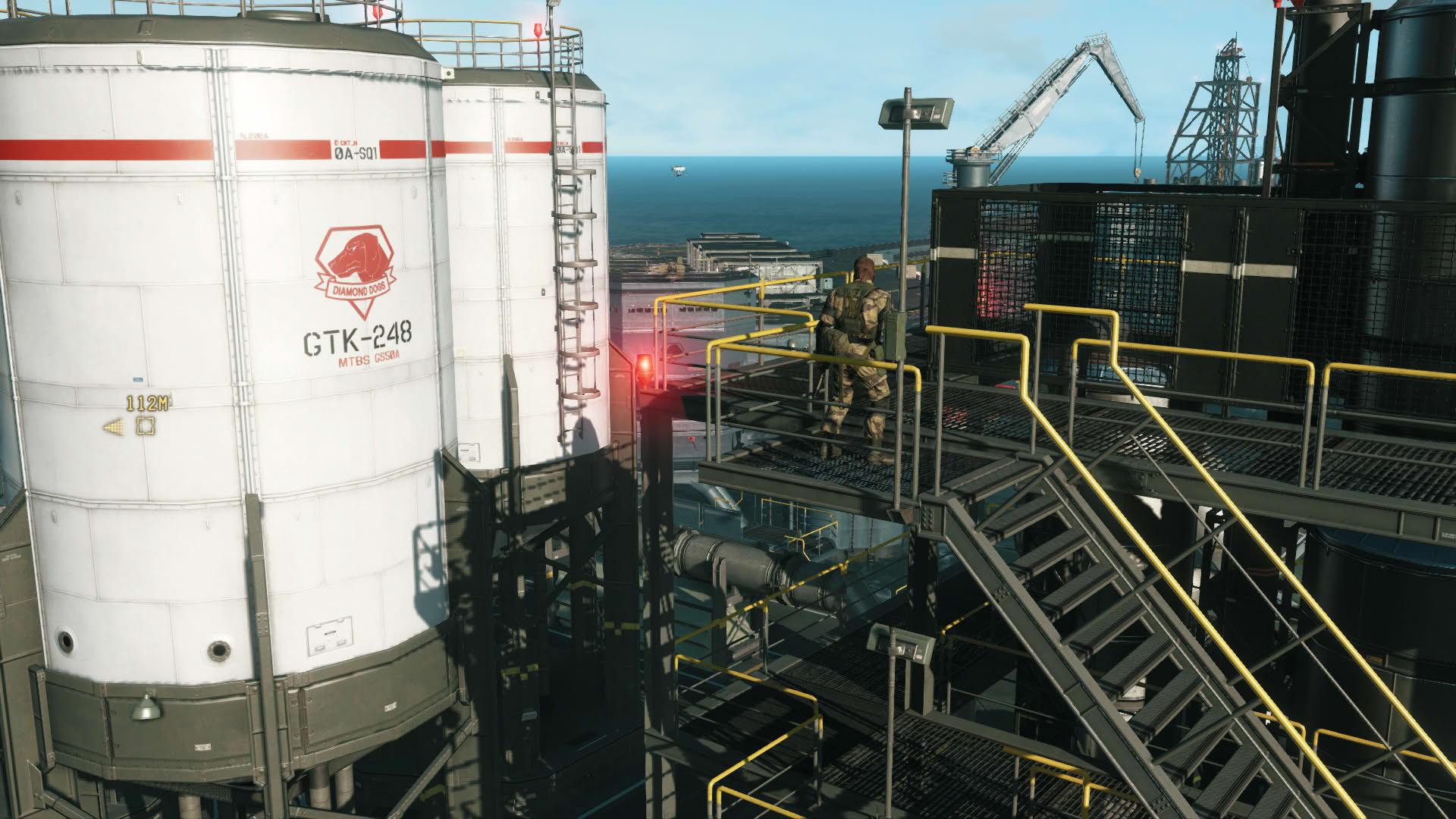
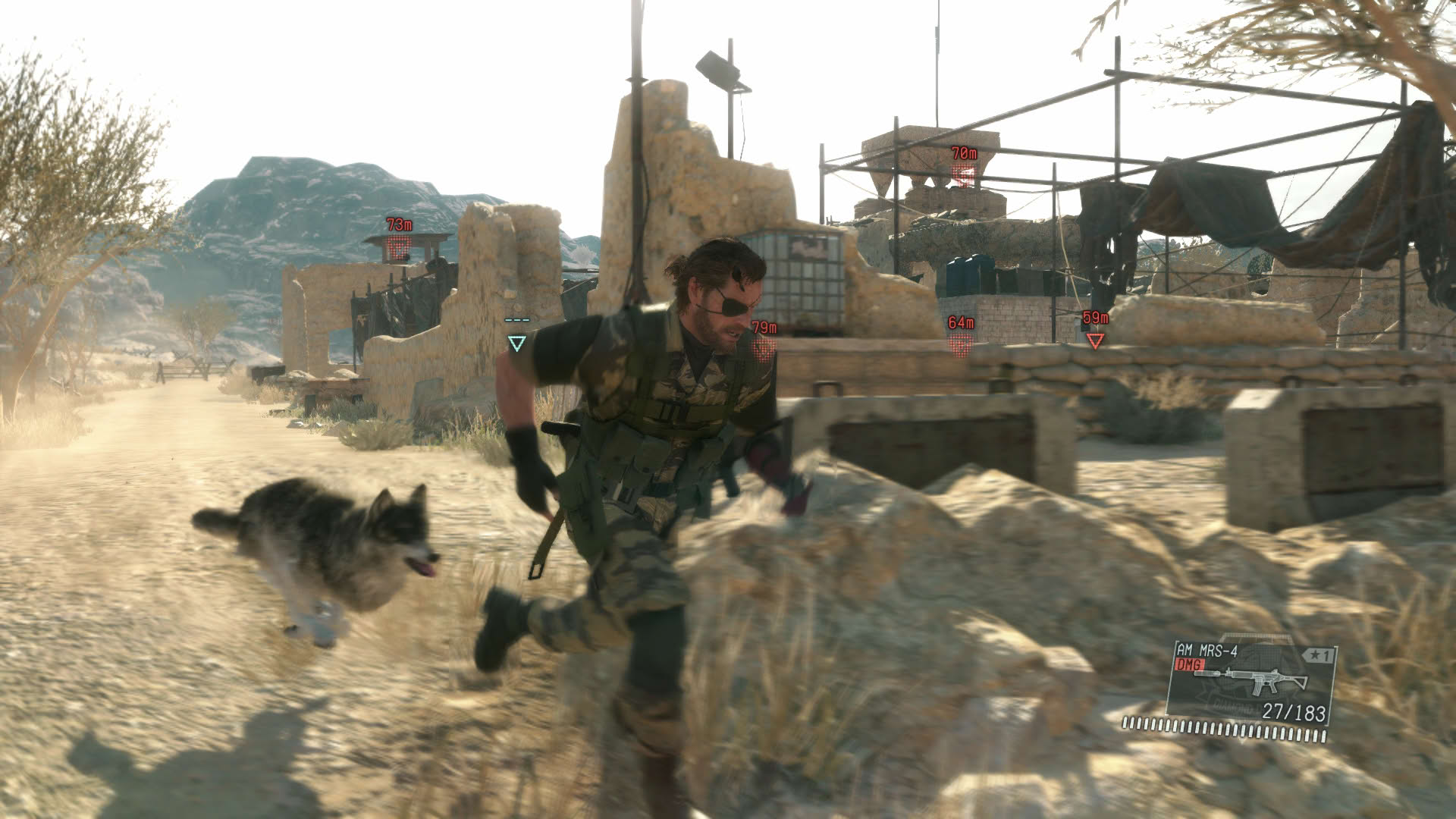
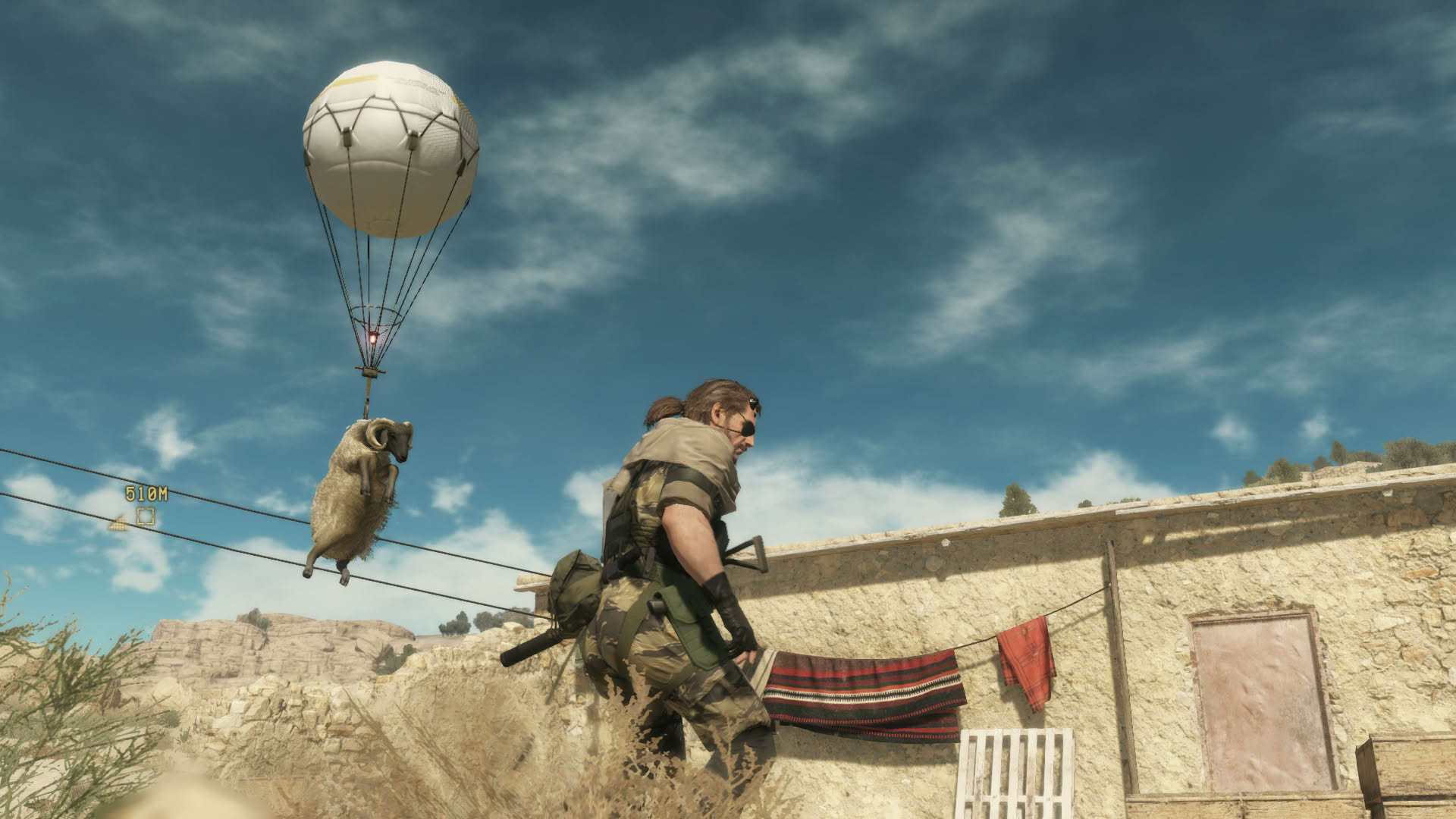
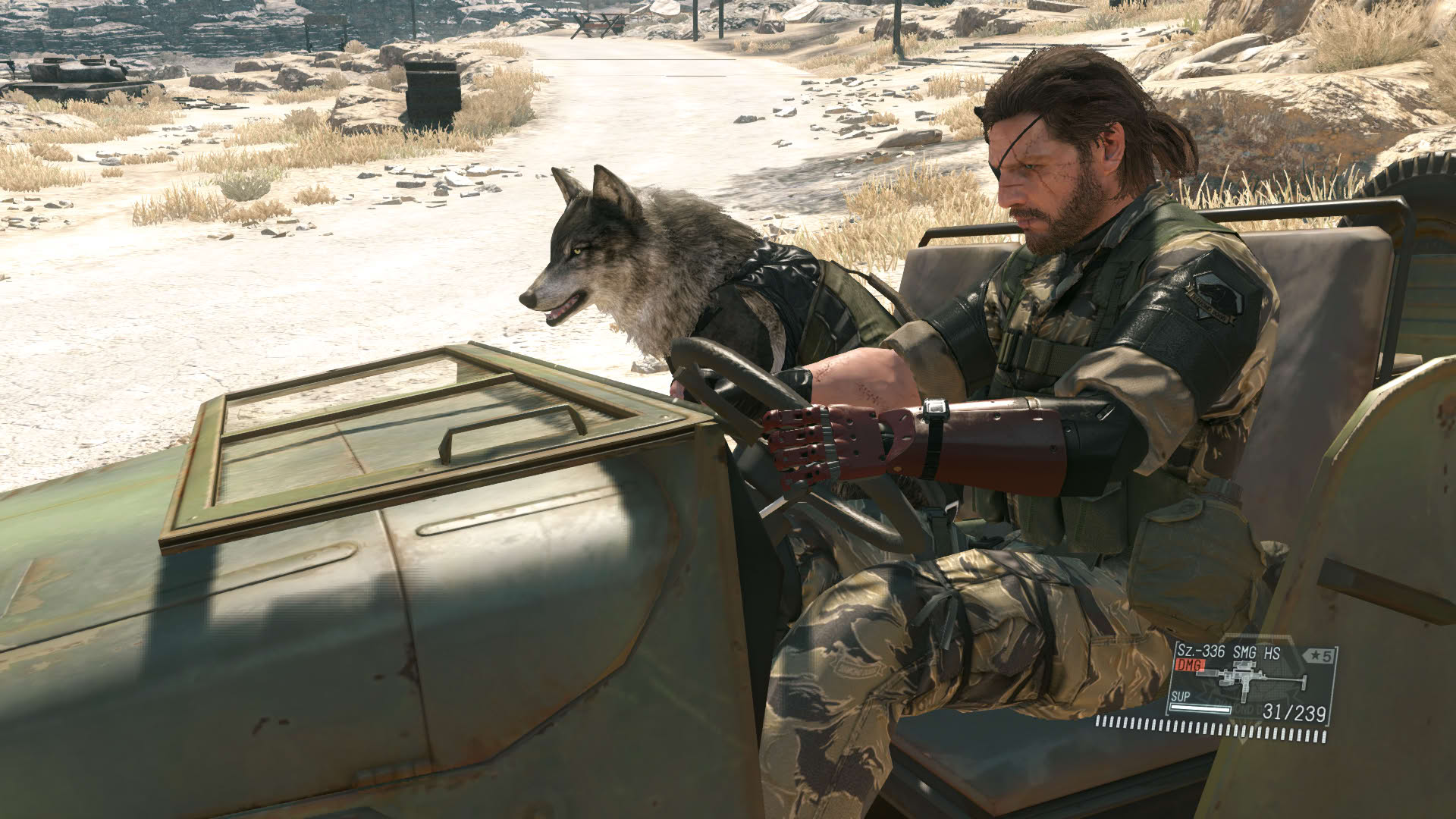
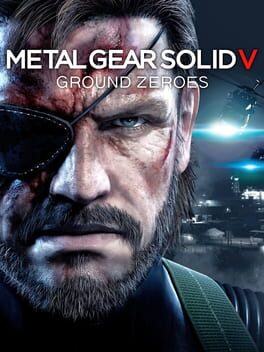
Metal Gear Solid V: The Phantom Pain is the sequel to Metal Gear Solid V: Ground Zeroes and a prequel to the original Metal Gear. The game has a complex story with long cut-scene sequences, but there are fewer and they are shorter compared to earlier Metal Gear Solid titles. Most of the gameplay mechanics introduced in Ground Zeroes are carried over: it is still an action game and stealth oriented but replaces the linear corridor design from most earlier titles with large open world environments that offer the player unrestricted freedom for the approach. The world has now a real-time day and night cycle and various weather effects that influence enemy behaviour, visibility and sound. Sabotaging or destroying certain structures can also influence other parts of the map.
A new standard for open-world interaction, and an incredible sign-off to a spectacular, often infuriating, series. This is one of the most ingenious, lovingly crafted games of all time.
As a game, The Phantom Pain excels. The stealth and action work beautifully in the open-world setting, and maintaining your Mother Base gives you plenty of rewards. It’s long, fun, and gives players tons of variety.
Metal Gear Solid V practically redefines the notion of what open-world gameplay can be.
The Phantom Pain makes a major departure from the gameplay of the earlier home console games, but it’s brilliant for it. The story loses its momentum half-way through and the boss fights can fall flat, but those are minor points compared to the outstanding open world that has been created for you to play in and the freedom to do so.
Such player-driven drama, comedy, and action eclipses anything in the disappointing scripted narrative. The Phantom Pain is one of the worst Metal Gear stories ever told. It functions neither as a standalone narrative nor as worthwhile insight into the series overall. And yet, The Phantom Pain is the best stealth-action game ever made, one where playing...