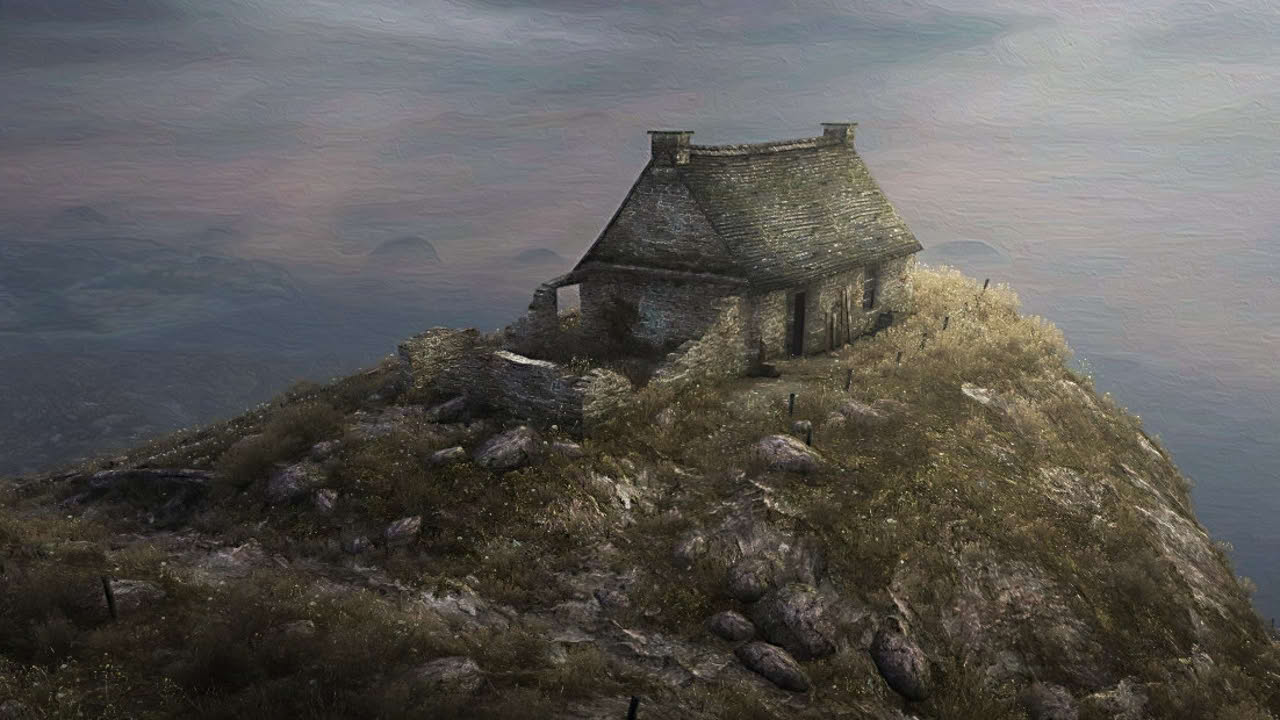
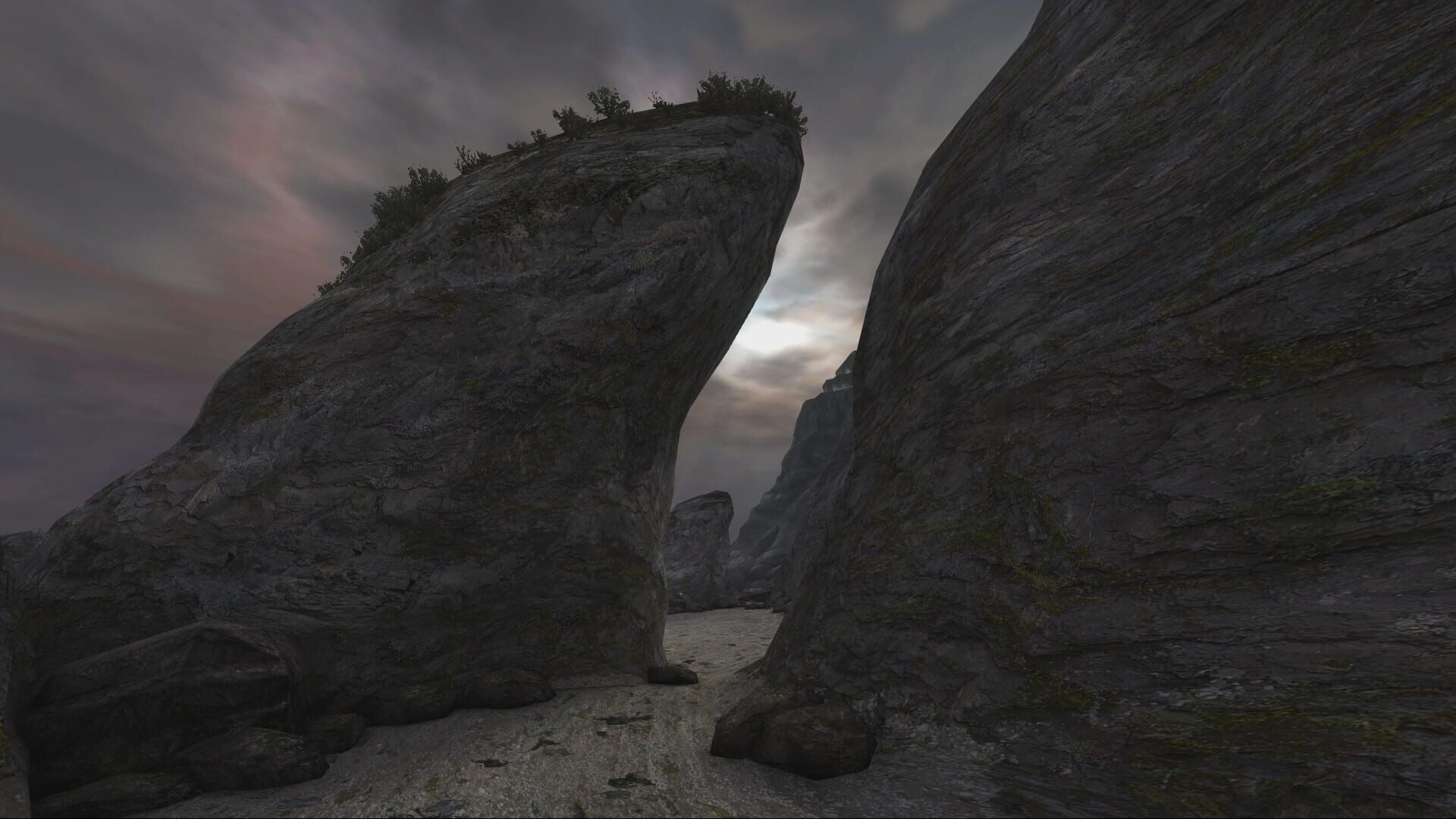
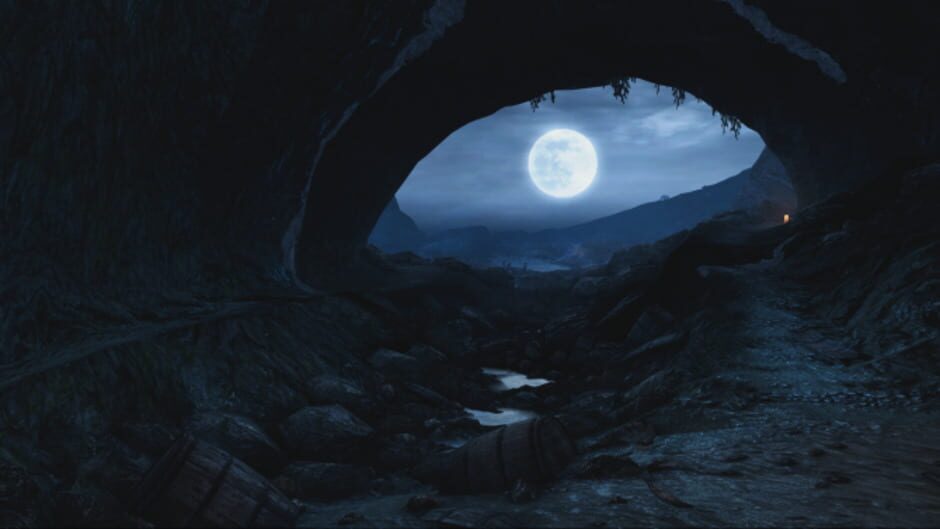
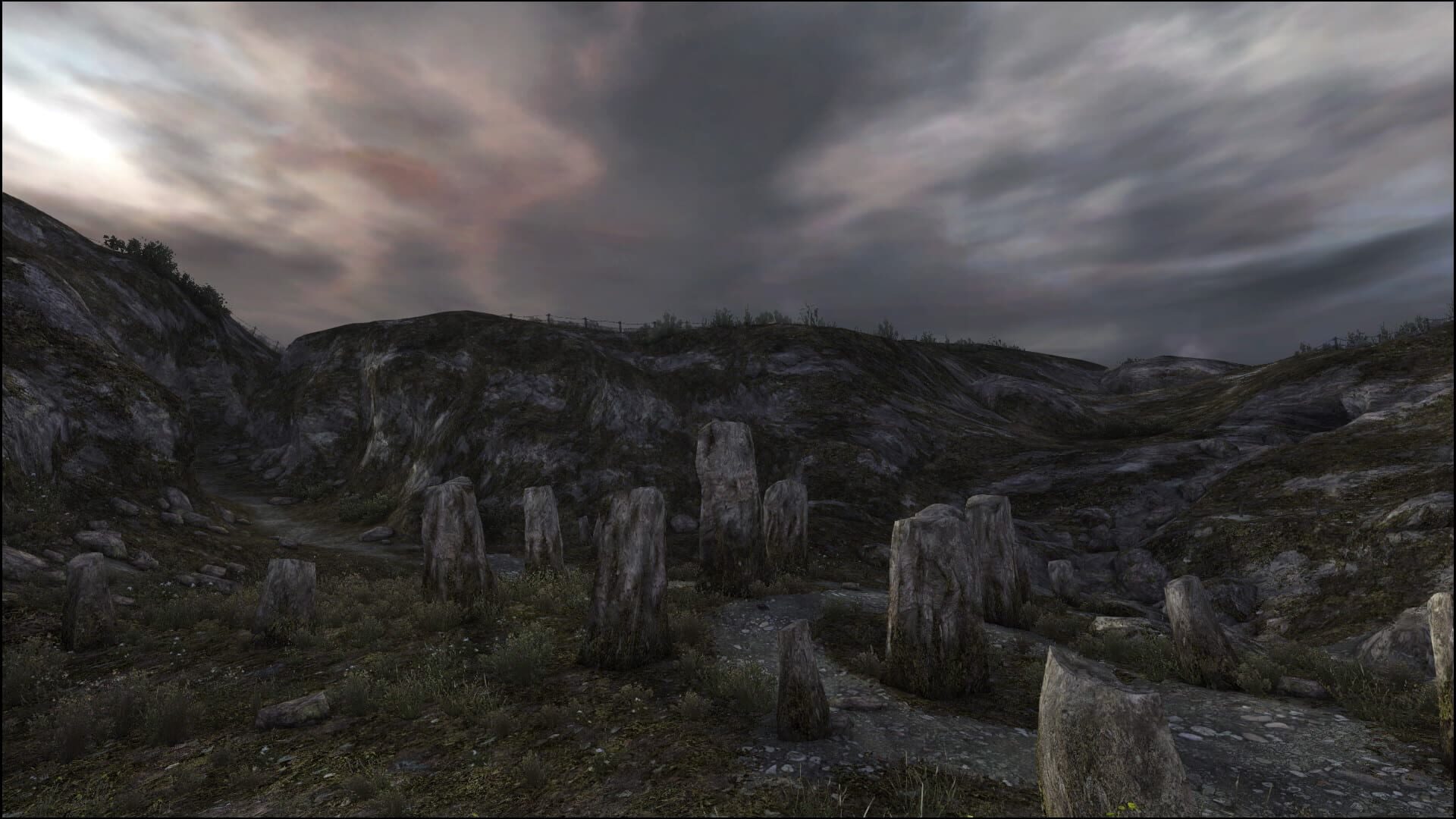
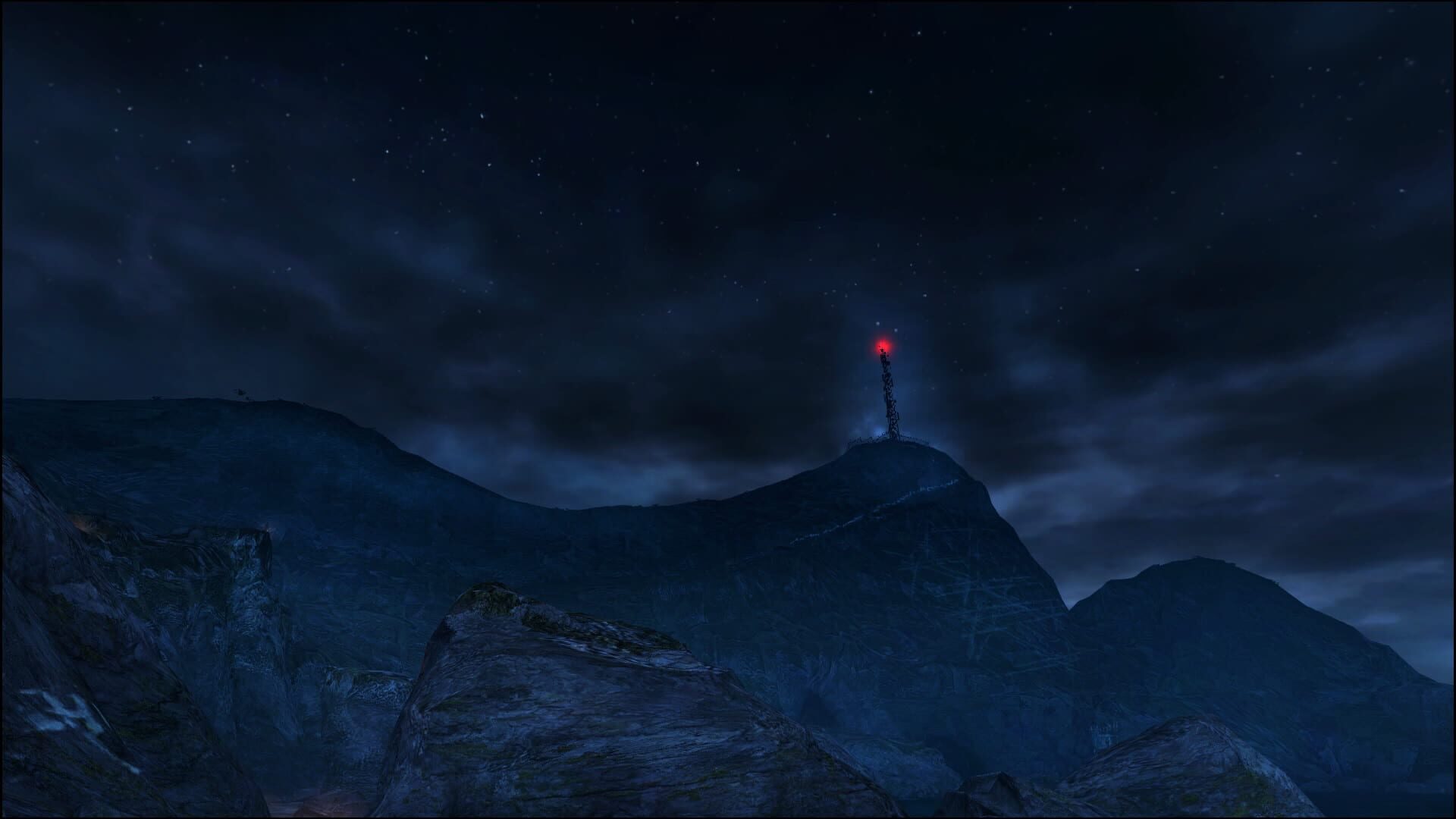
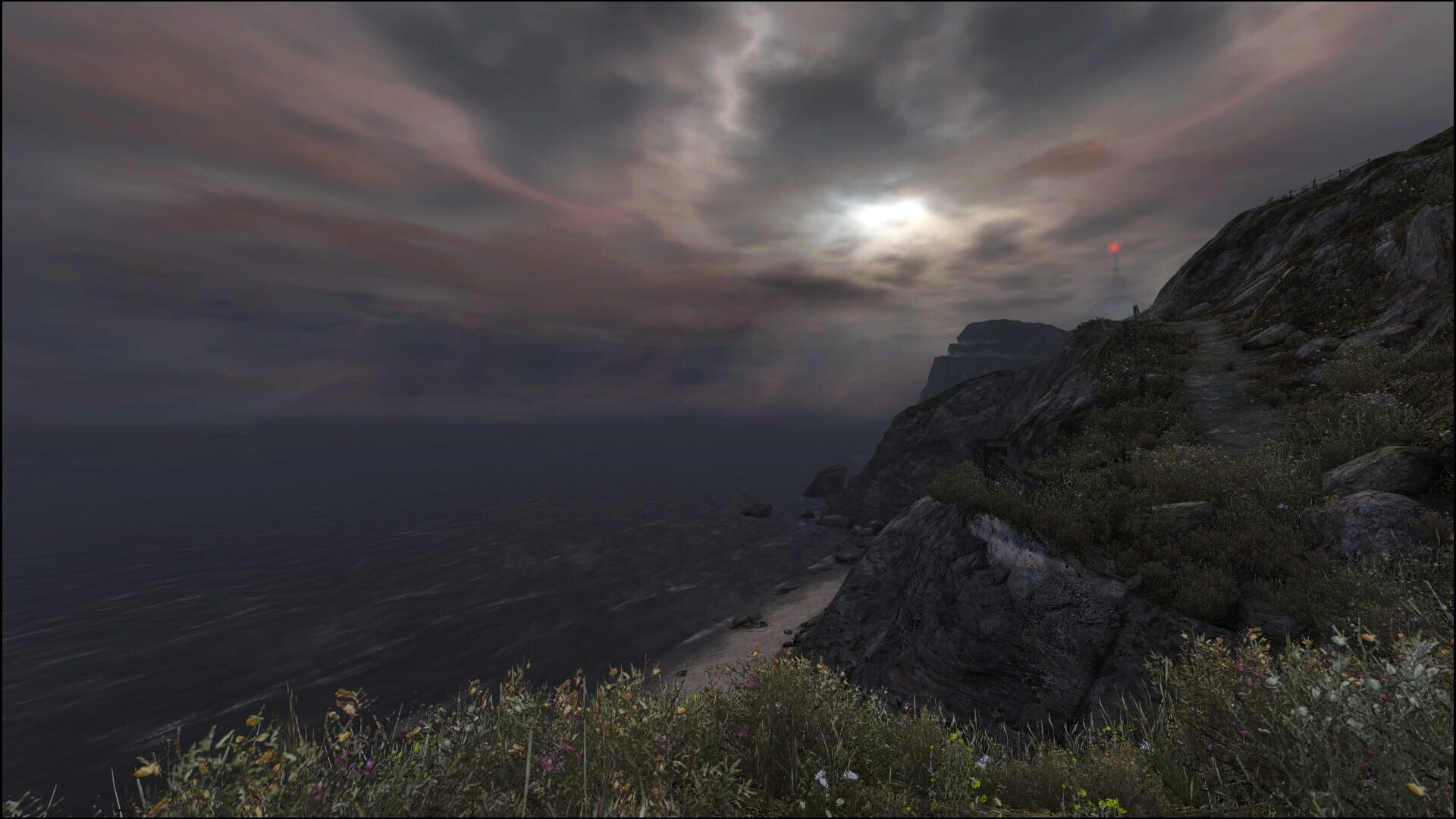
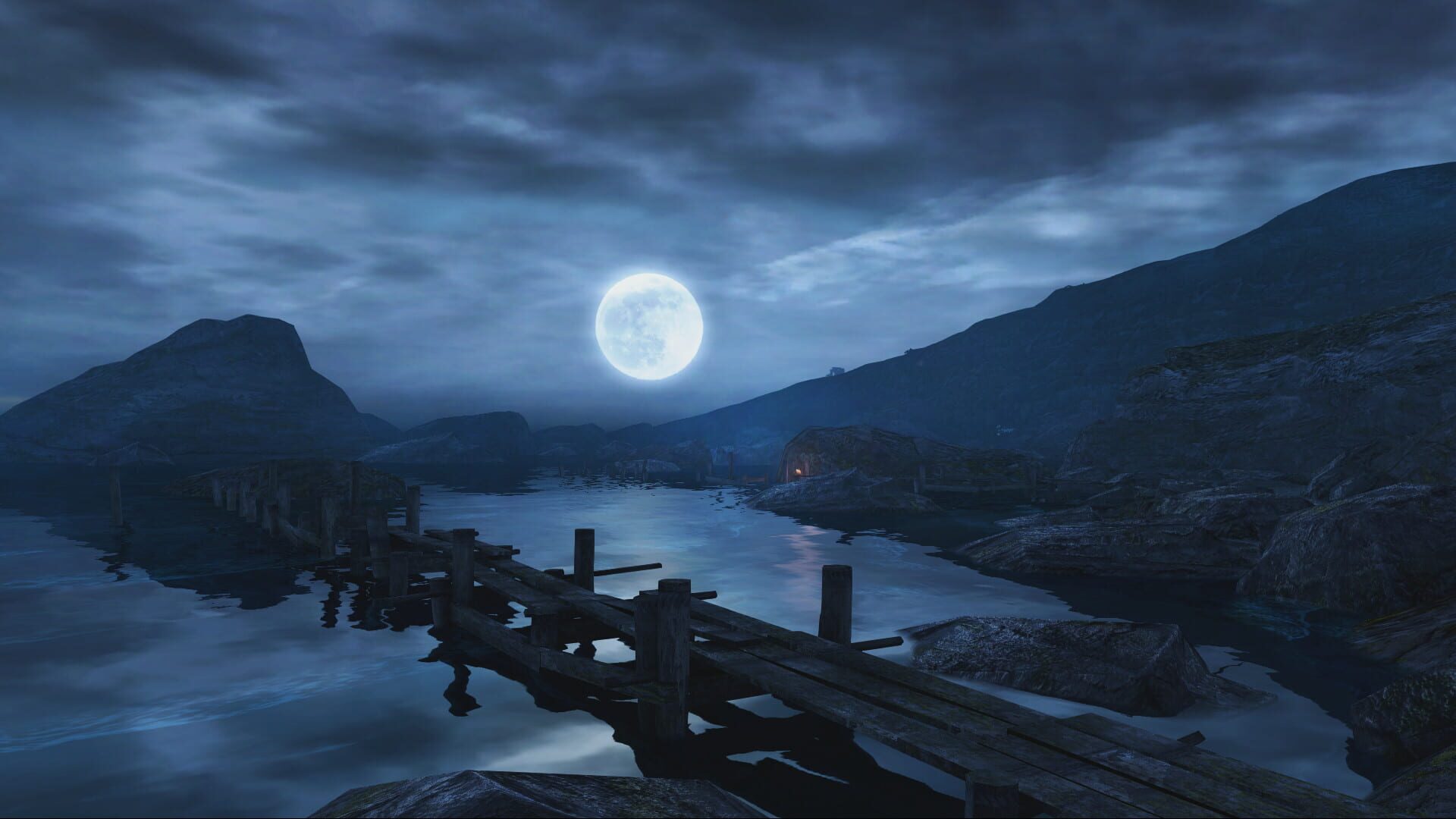
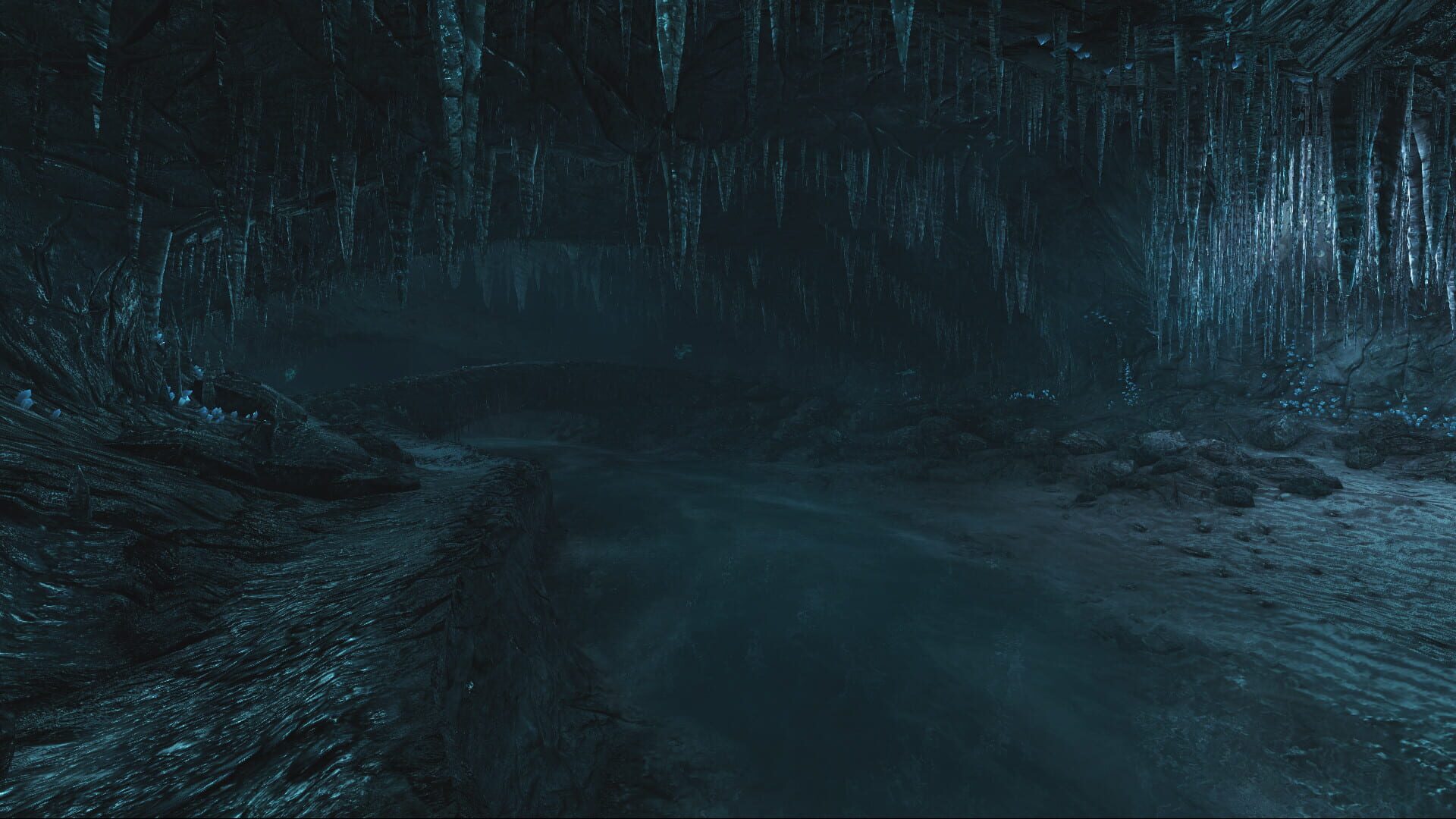
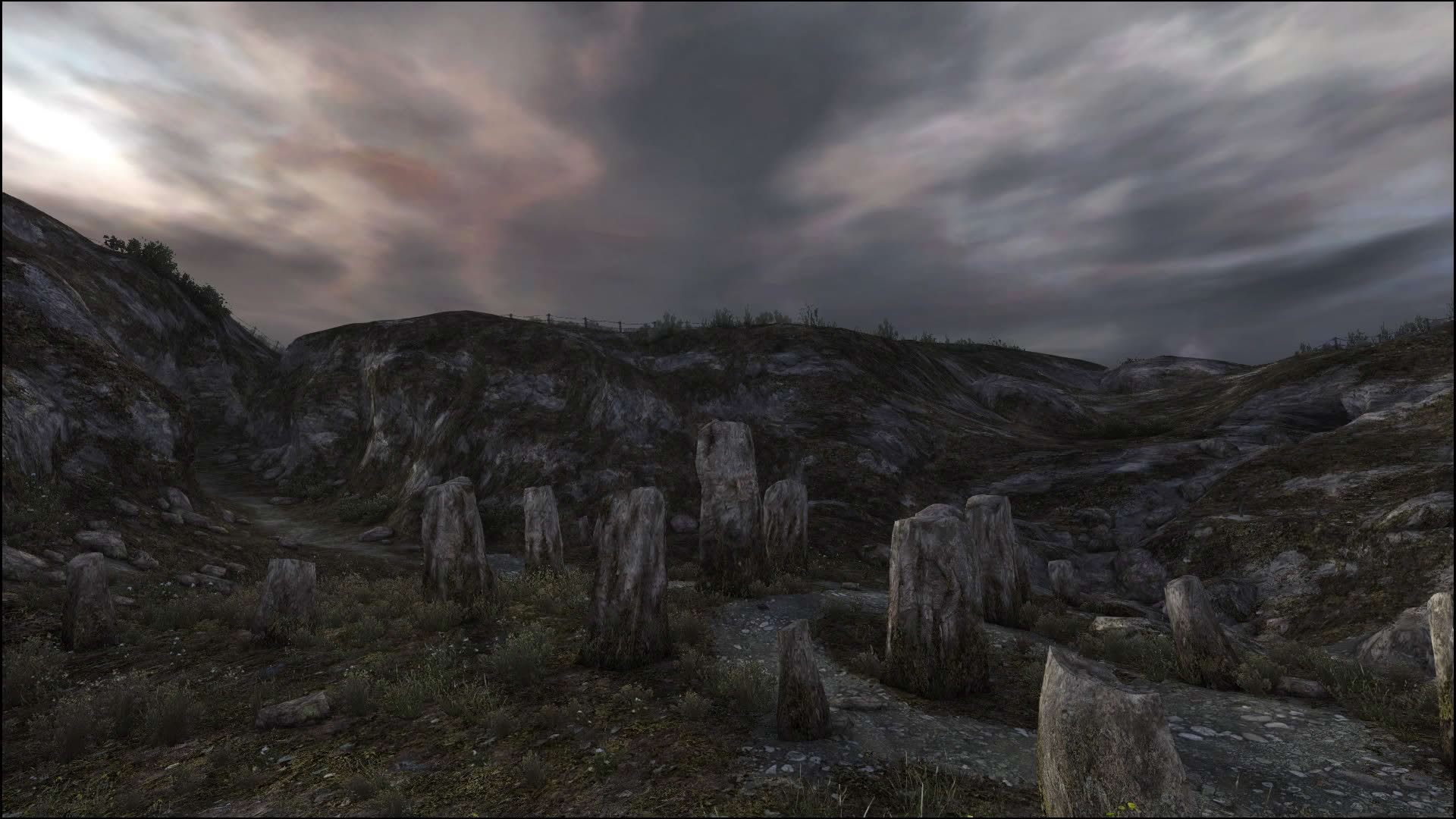
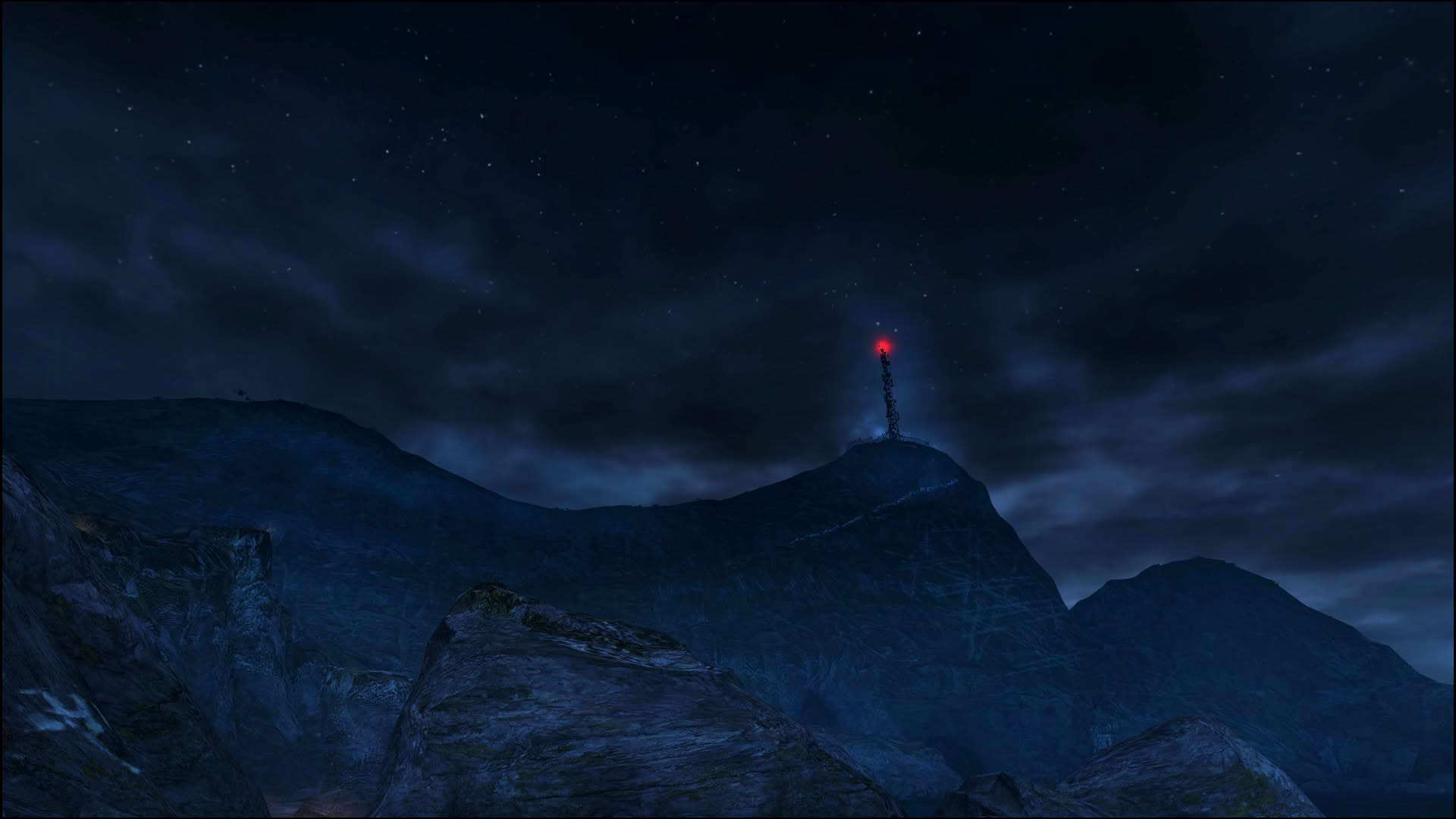
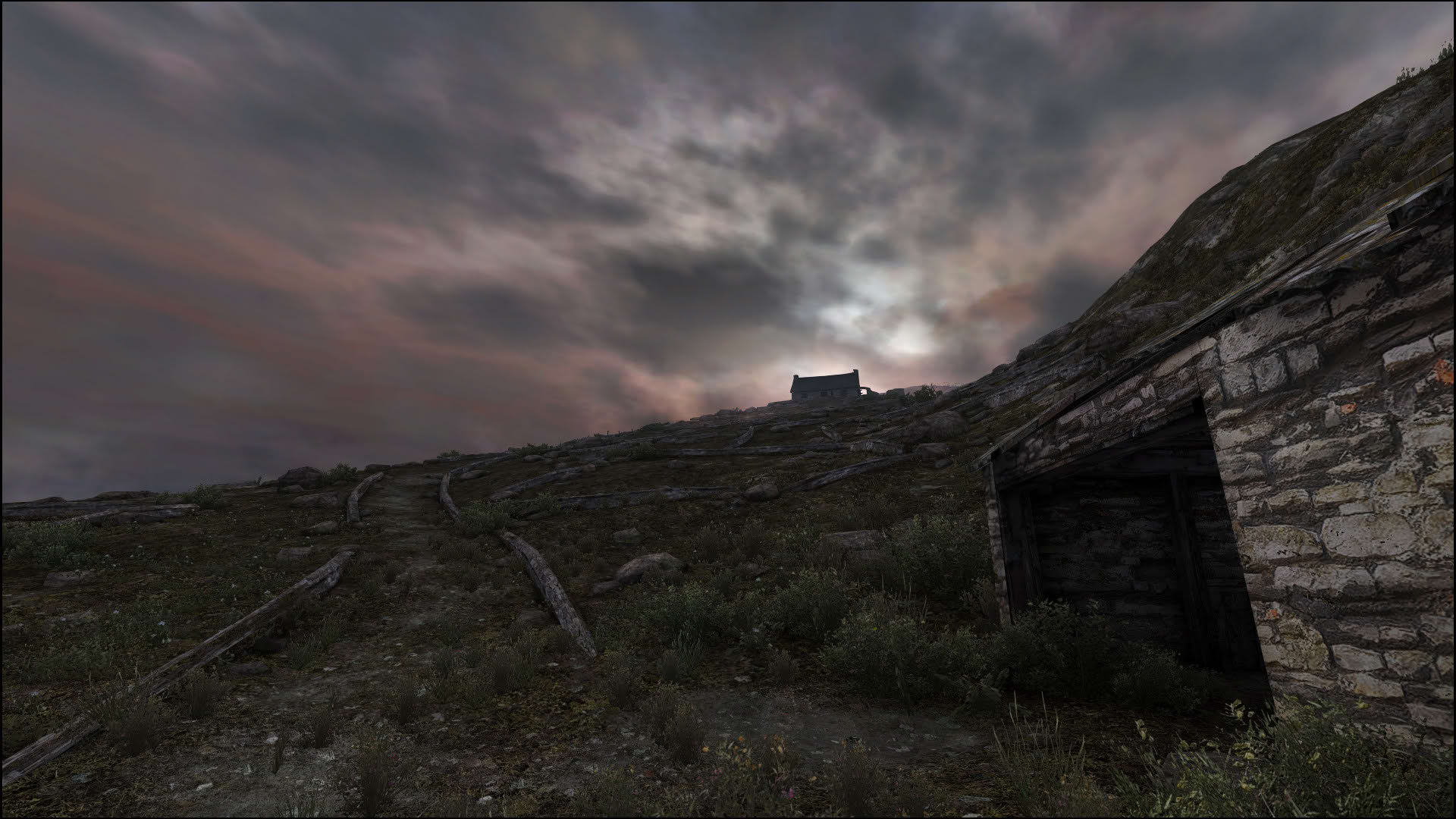
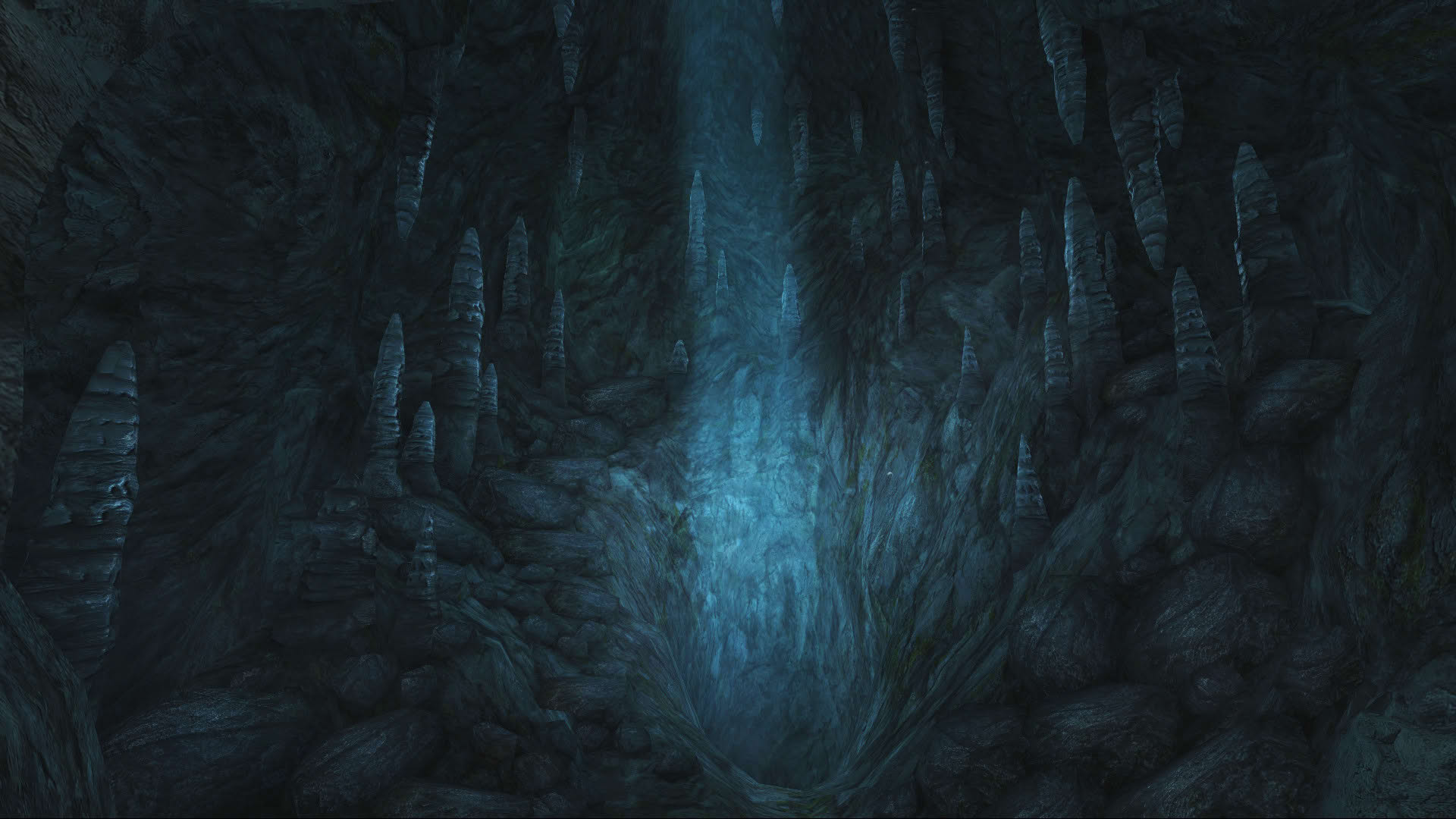
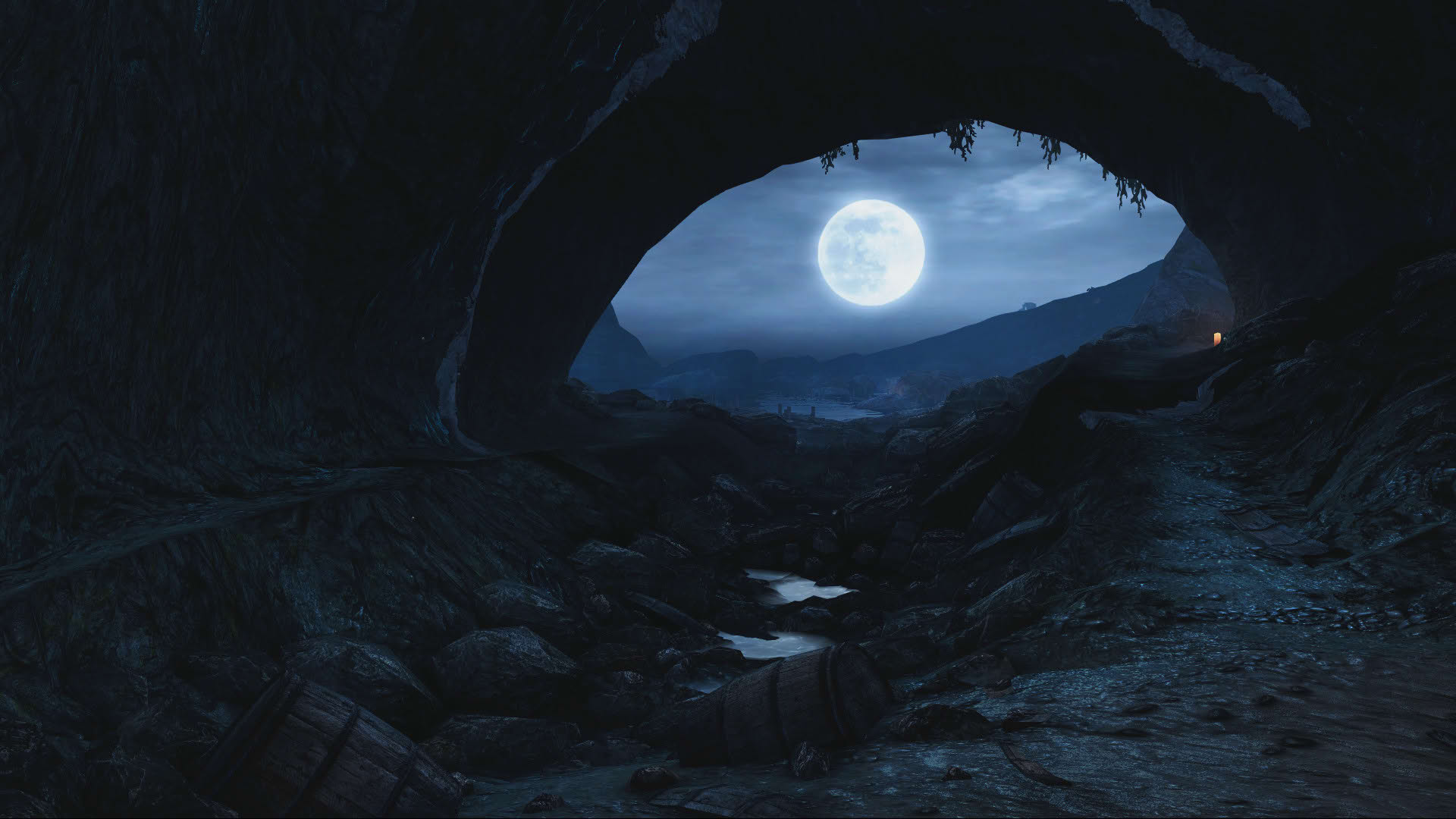
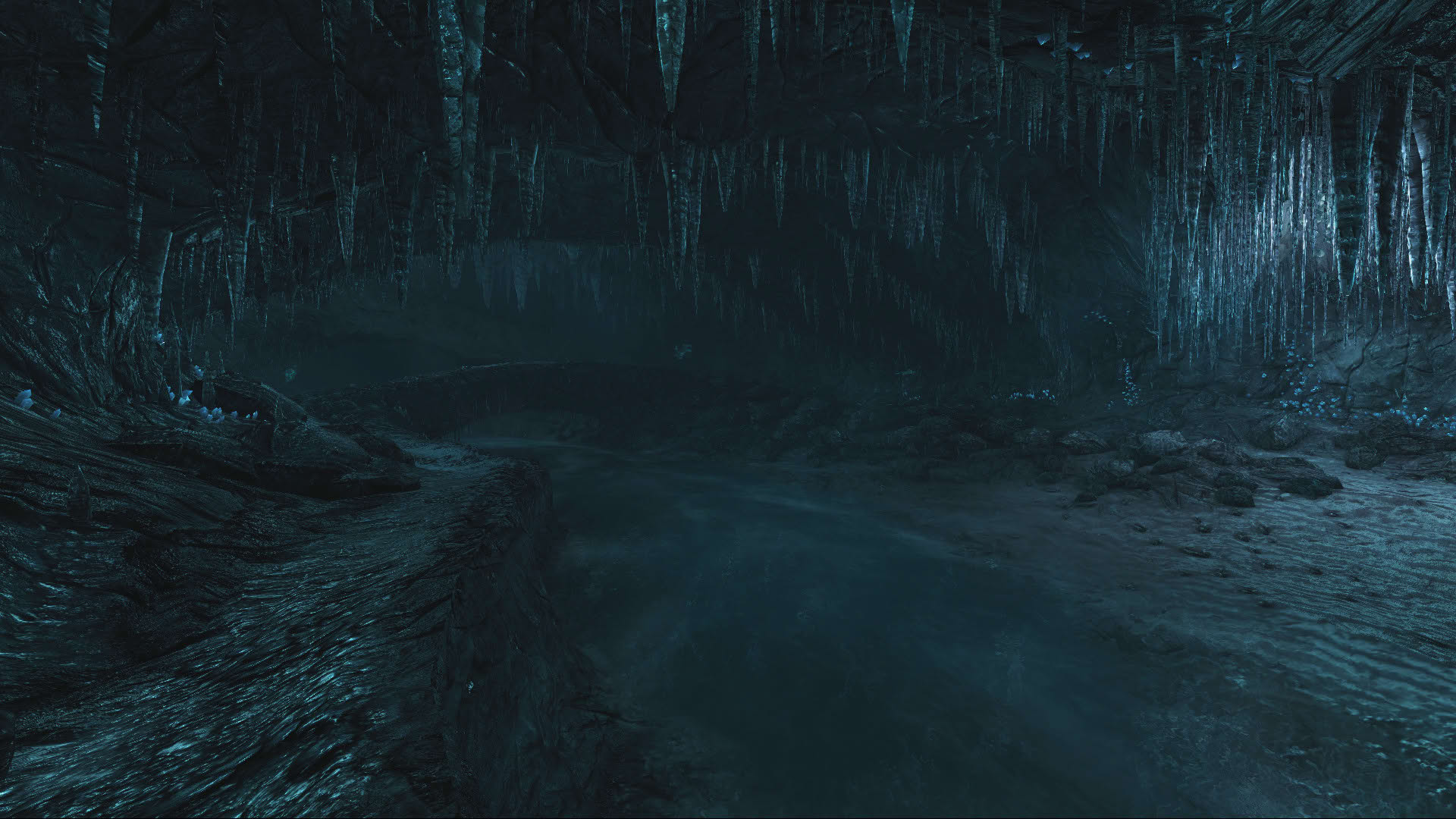
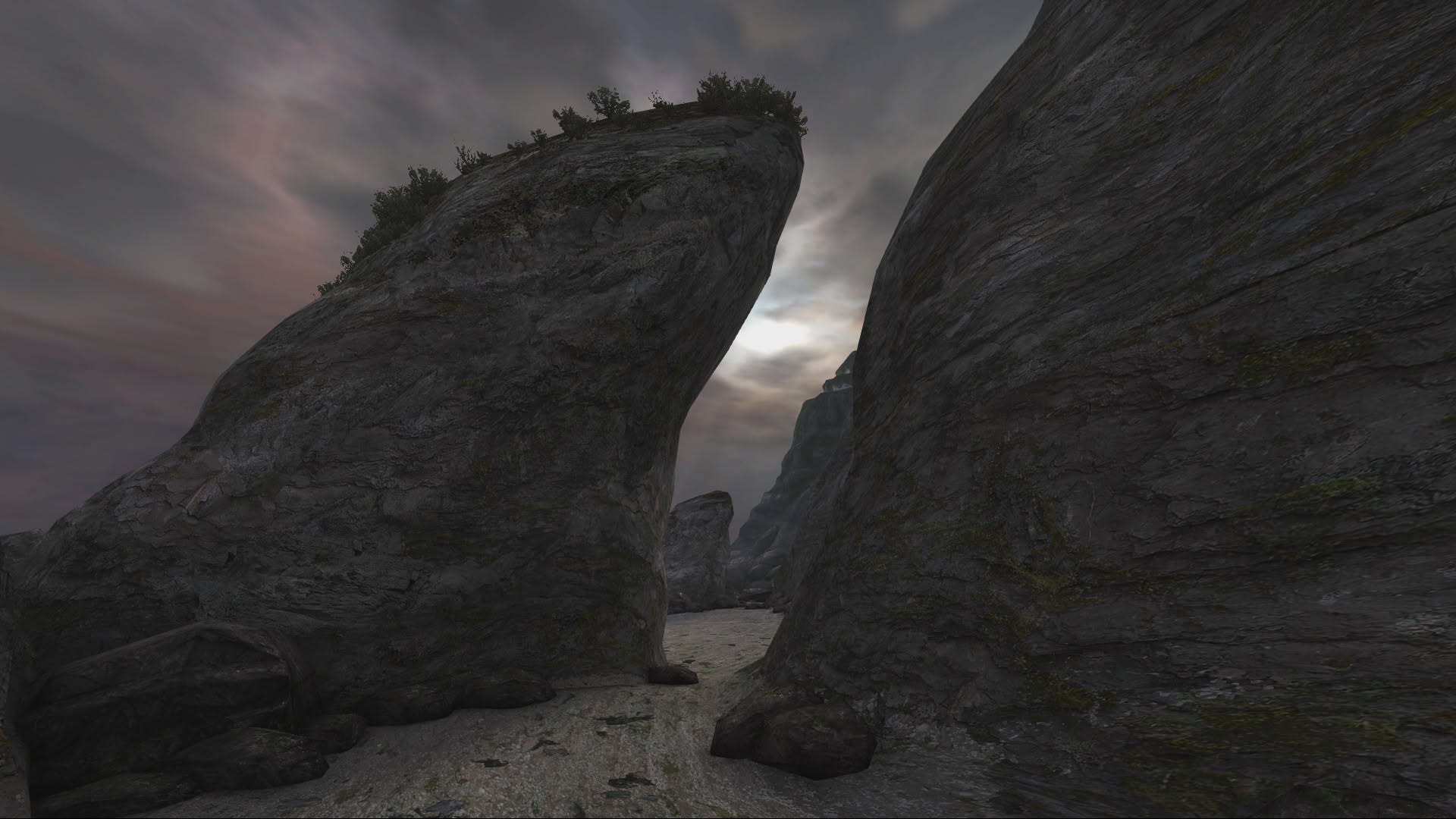
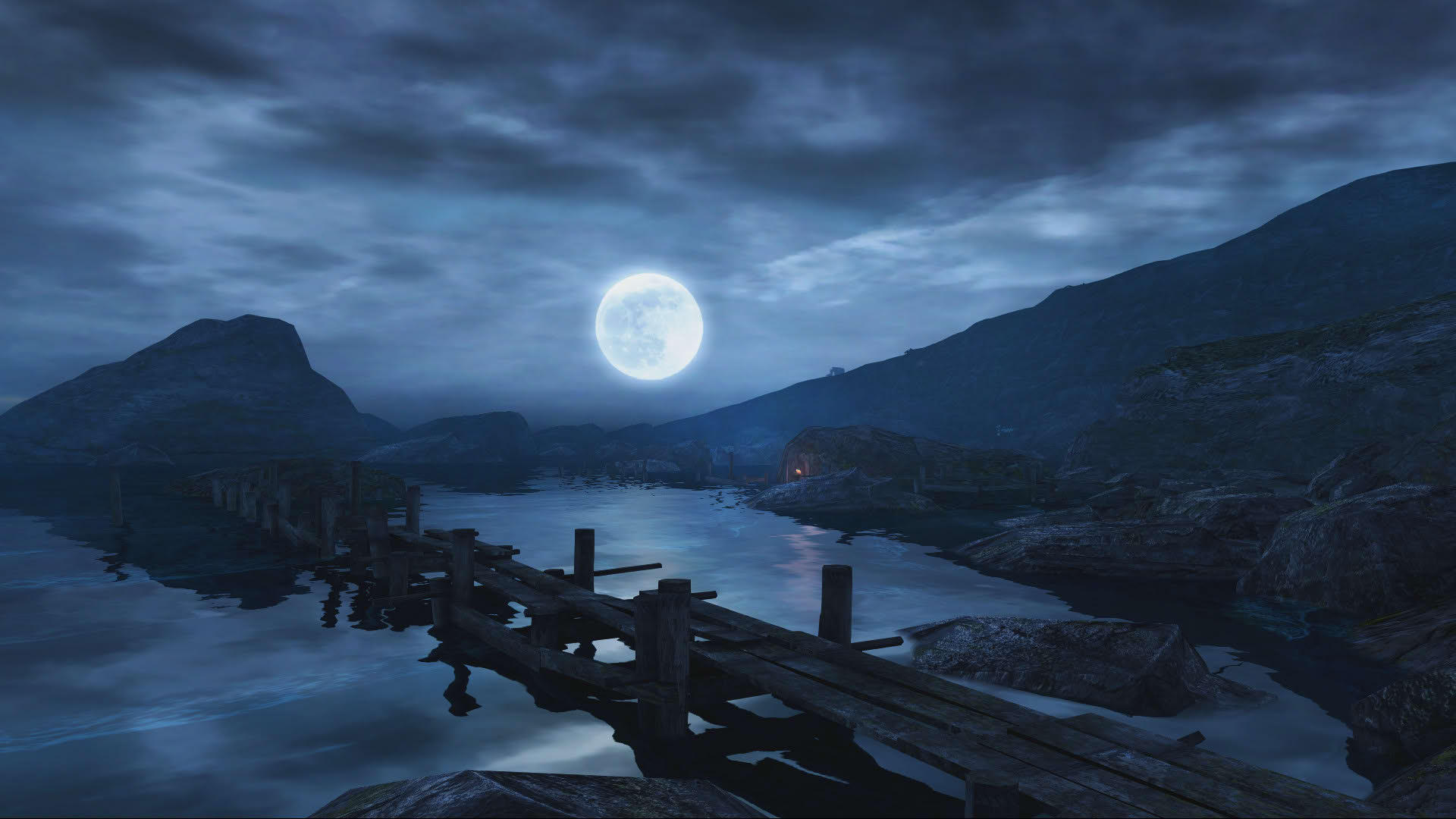
Dear Esther: Landmark Edition has been remade with the Unity engine, featuring a full audio remaster, and the addition of a brand-new Directors' Commentary mode, allowing players to explore the island and learn what inspired the game and how it was crafted by The Chinese Room and Rob Briscoe.
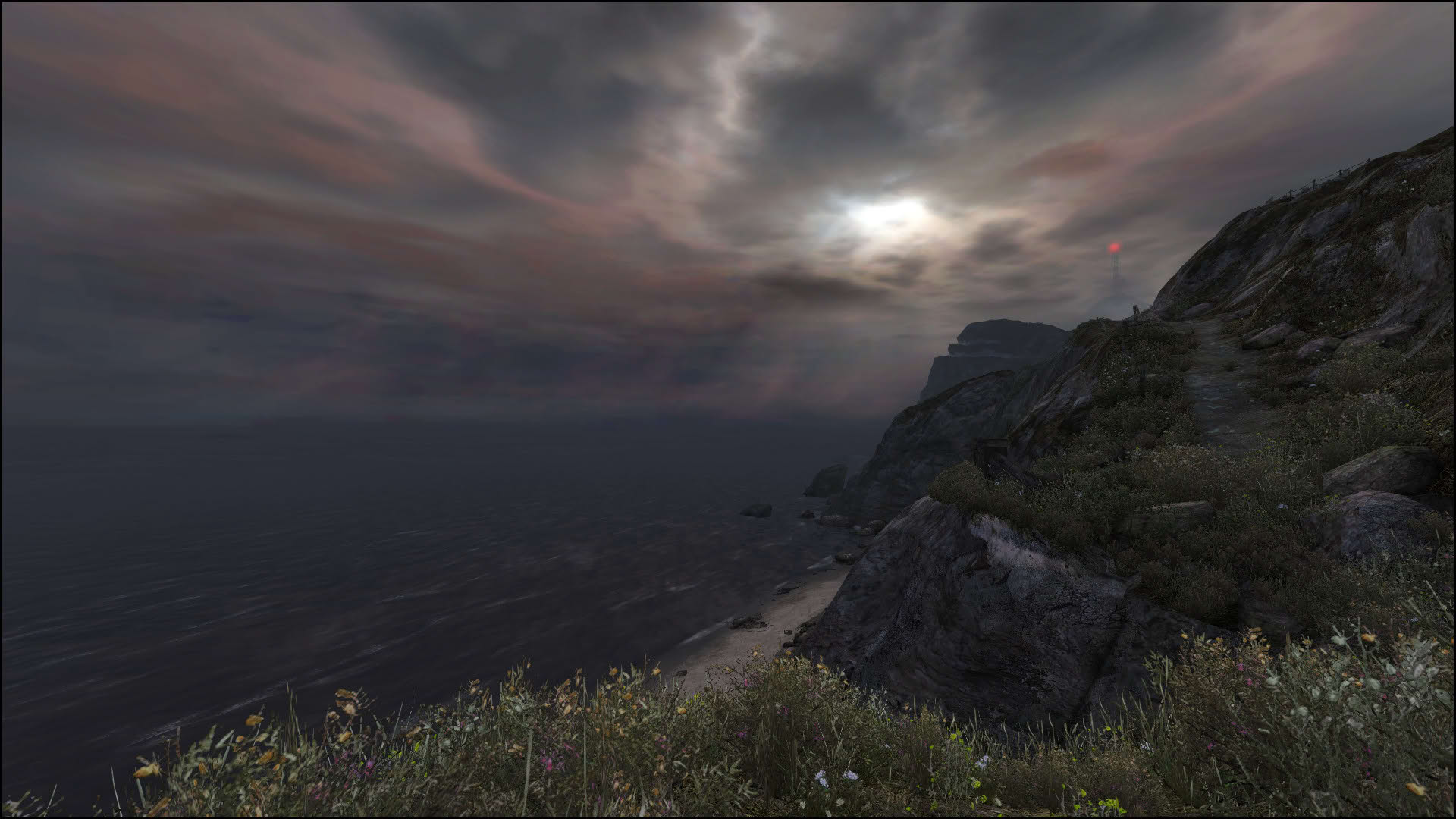
Dear Esther immerses you in a stunningly realised world, a remote and desolate island somewhere in the outer Hebrides. As you step forwards, a voice begins to read fragments of a letter: 'Dear Esther...' - and so begins a journey through one of the most original first-person games of recent years.
A hauntingly immersive experience which may not be as exciting as the average game but four years on it's still a beautiful piece of art. If you haven't played it before now is the time to pick it up.
While Dear Esther is visually captivating, it amounts to a little more than a countryside slog in every other aspect.
I admire Dear Esther for what it did, when it did it. It was a novel concept that came from the humblest of beginnings. Unfortunately, the product of it all is short and unenjoyable. It feels like a dream in the worst way. It’s confusing, fatiguing, and the feeling of relief comes when it’s over. In that way, they couldn’t have done a better job.
A beautiful early example of the narrative driven 'walking simulator' brought to life with stunning graphics and the same intriguingly muddled narrative as its become famous for.
Every game developer has to start somewhere. Dear Esther was a valiant first step into a much bigger world. It may have been something special back in 2008, but it is definitely showing its age — especially when compared to The Chinese Room’s later releases, Esther falls dramatically short of modern expectations. If you are looking to relive the first...