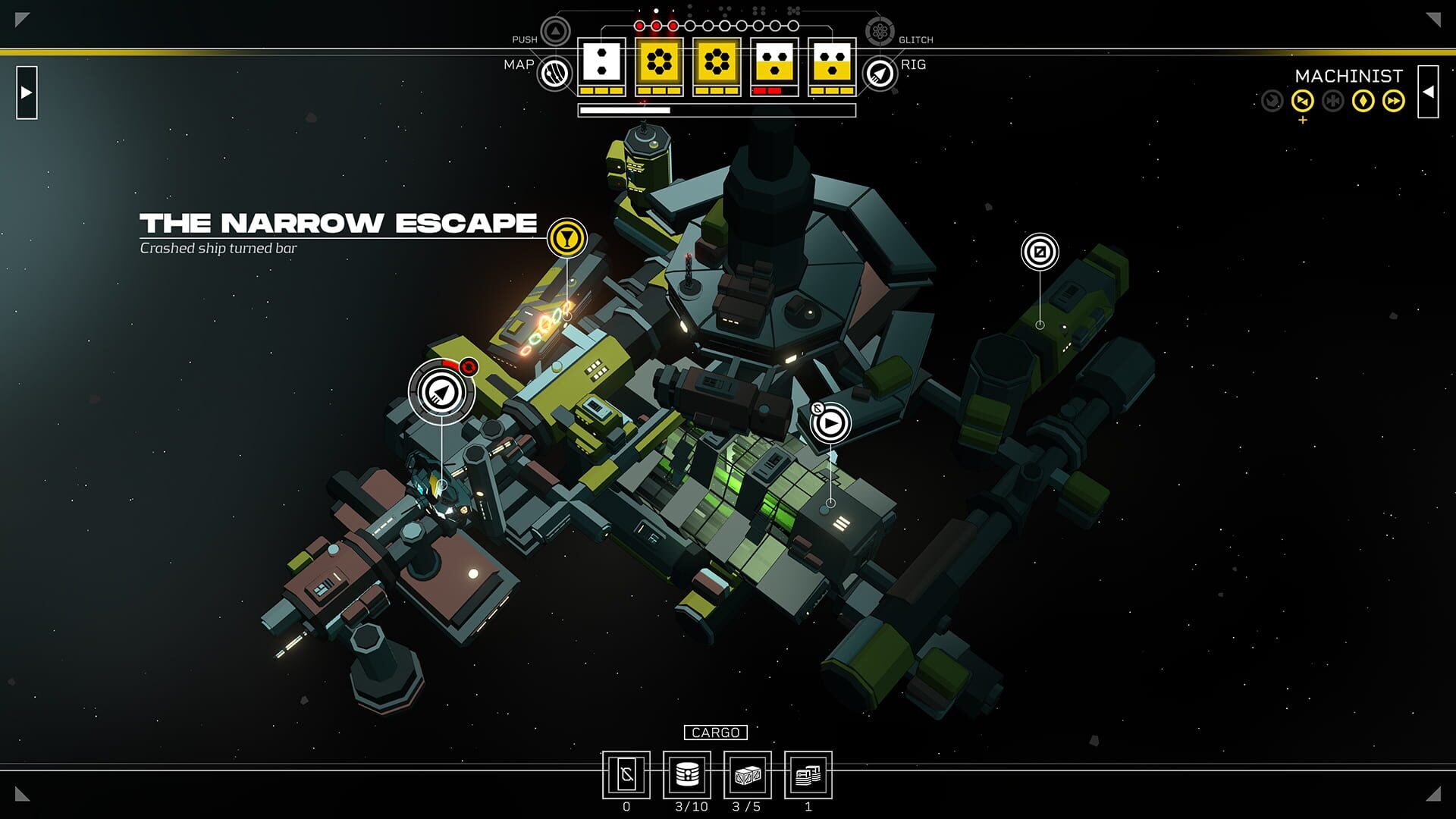
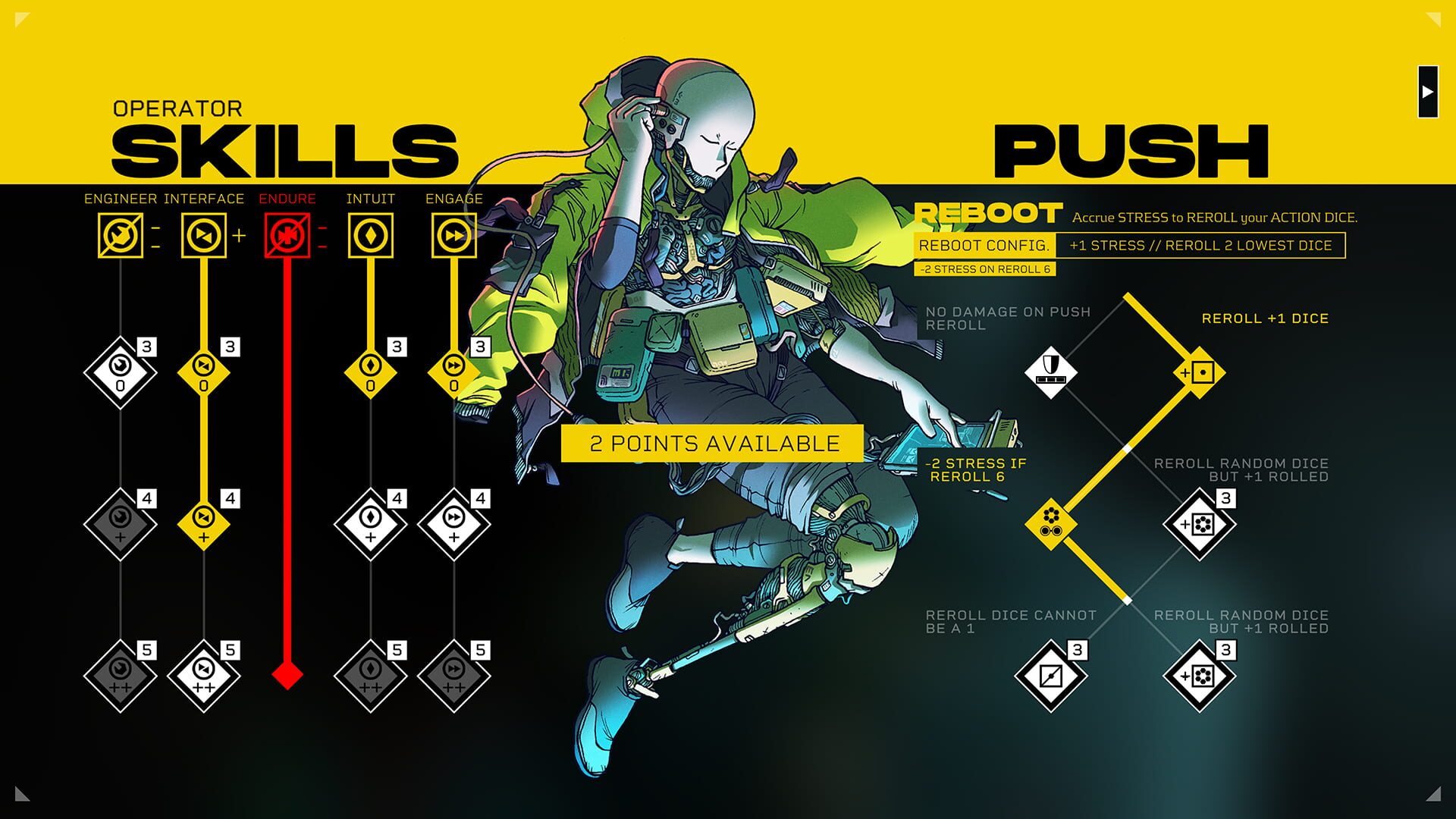
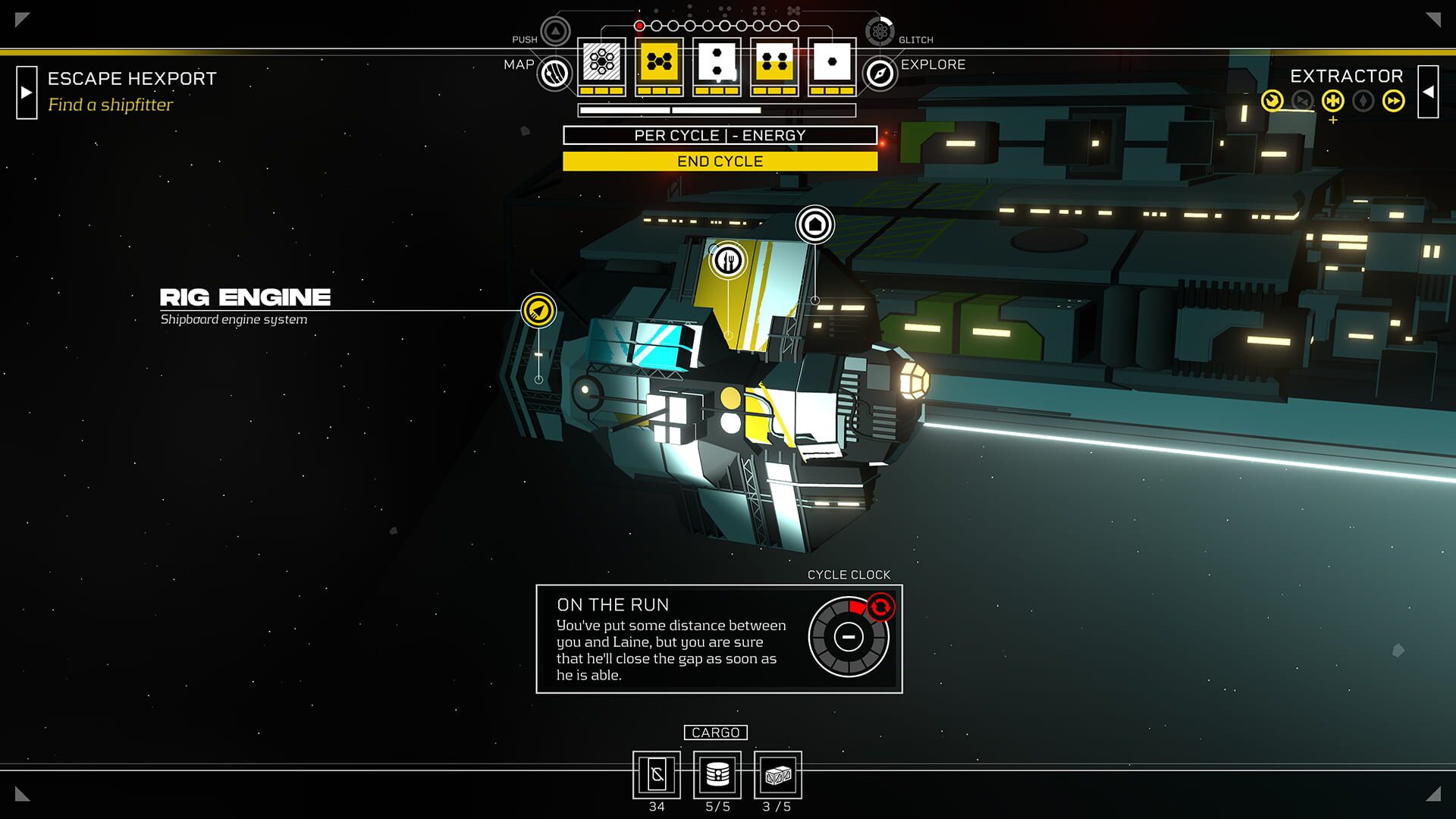
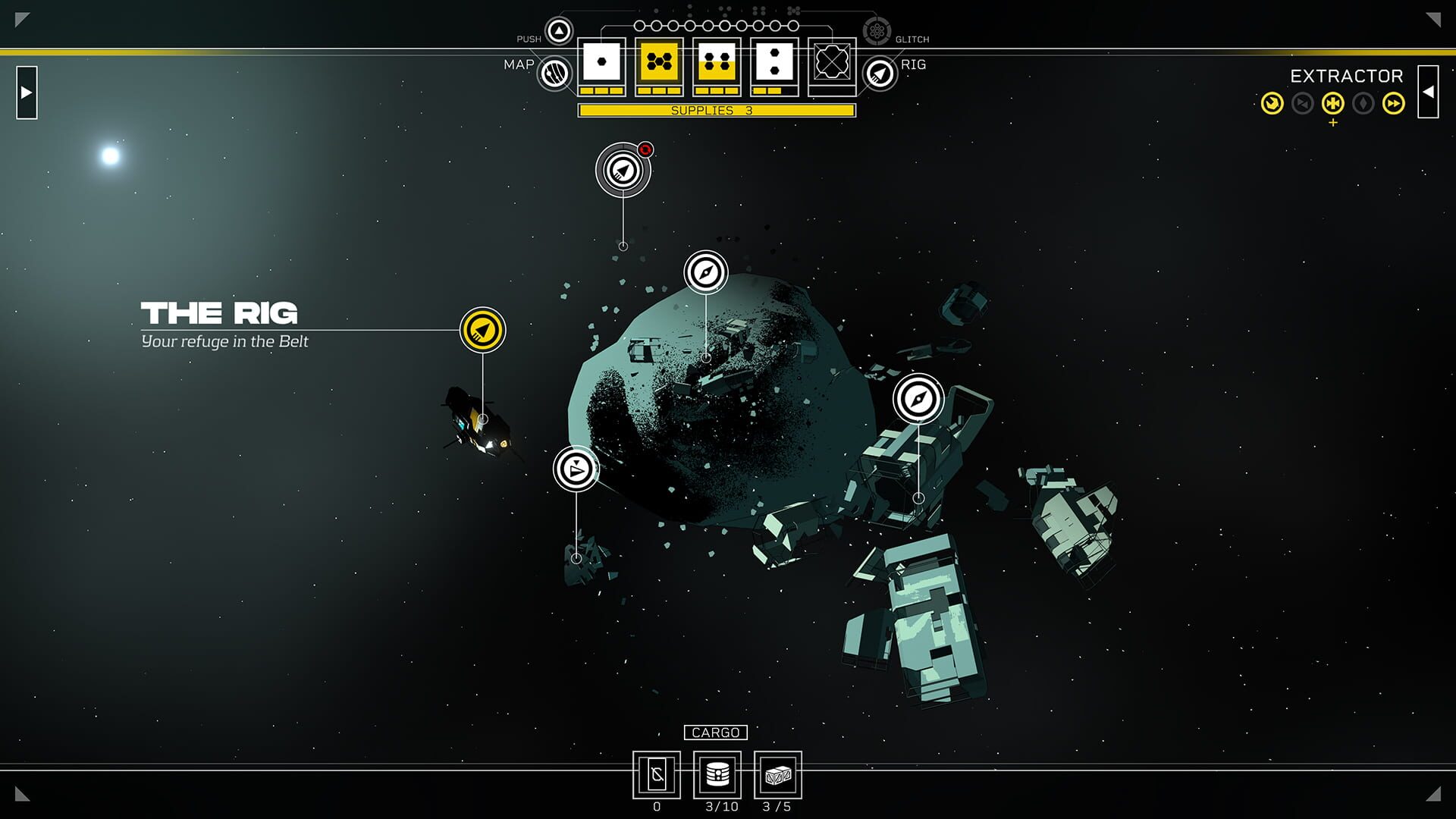
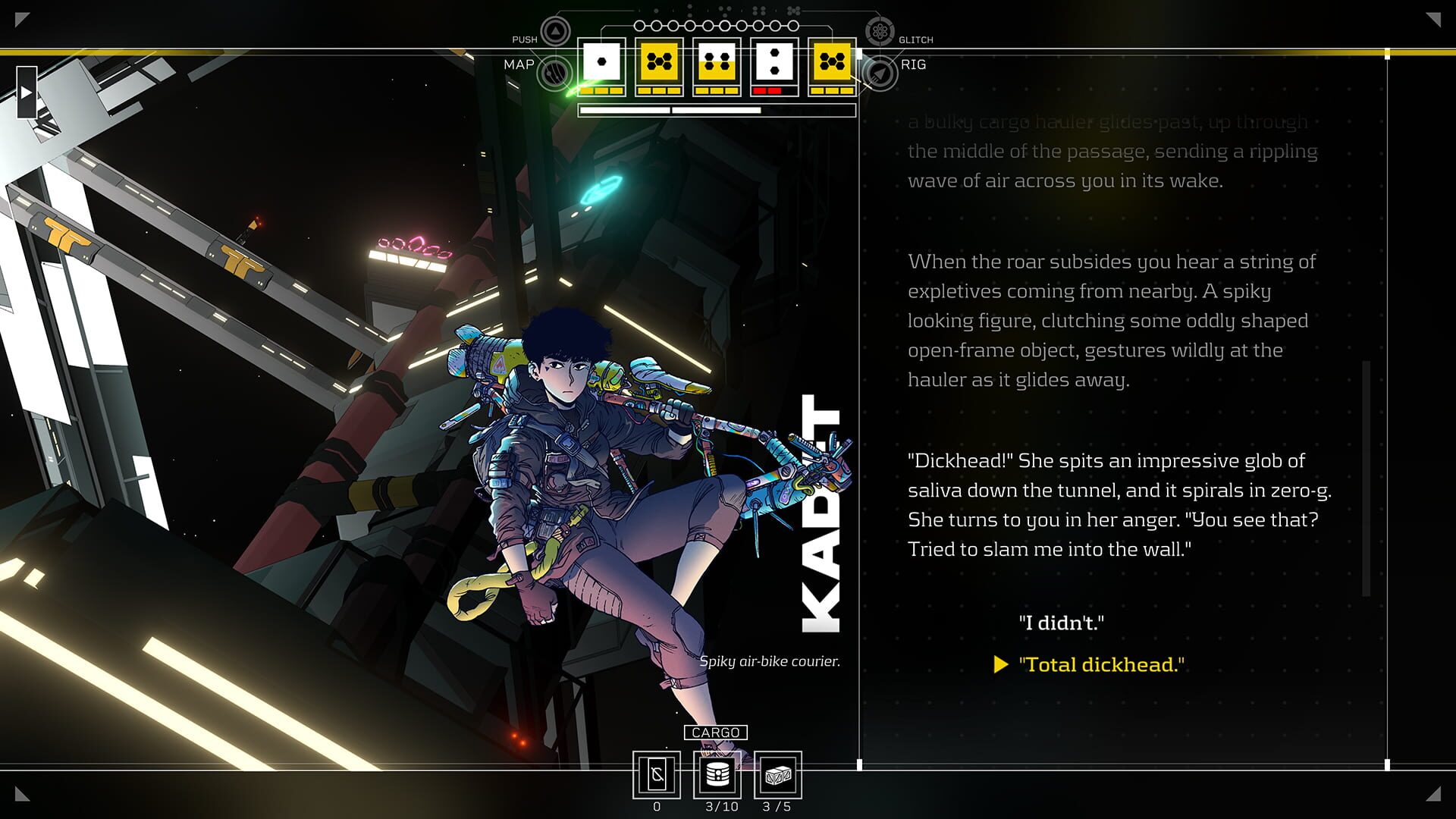
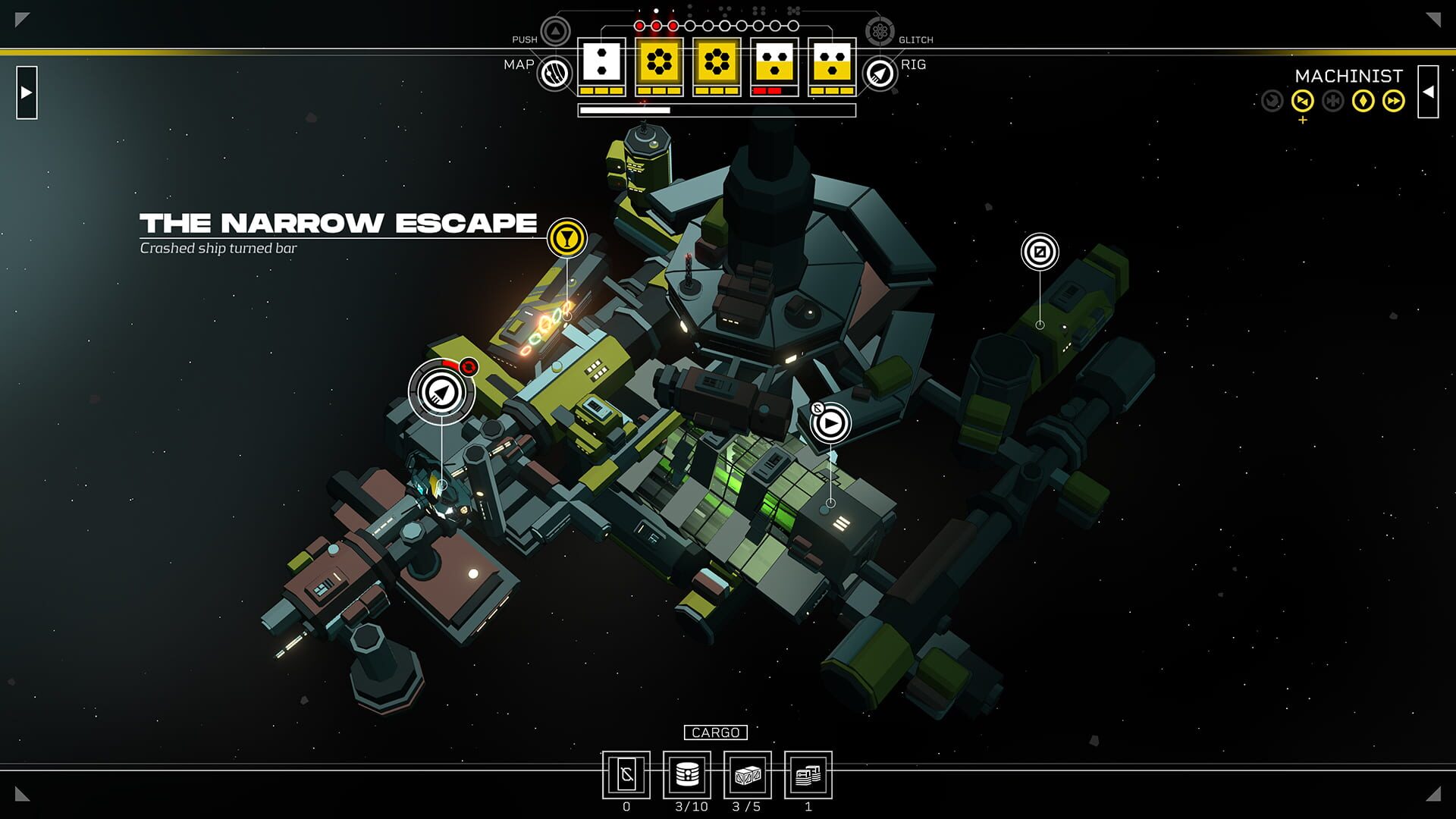
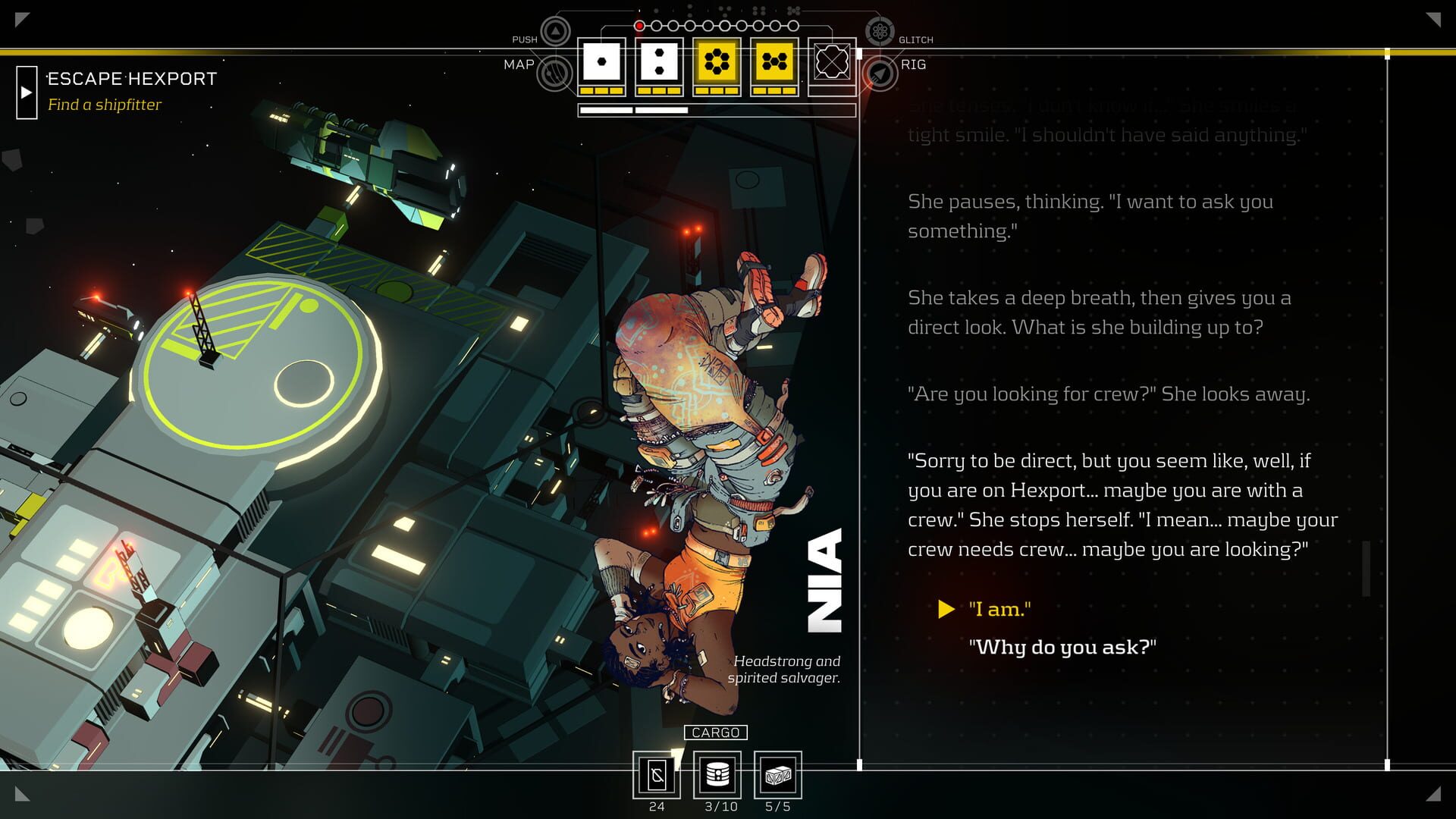
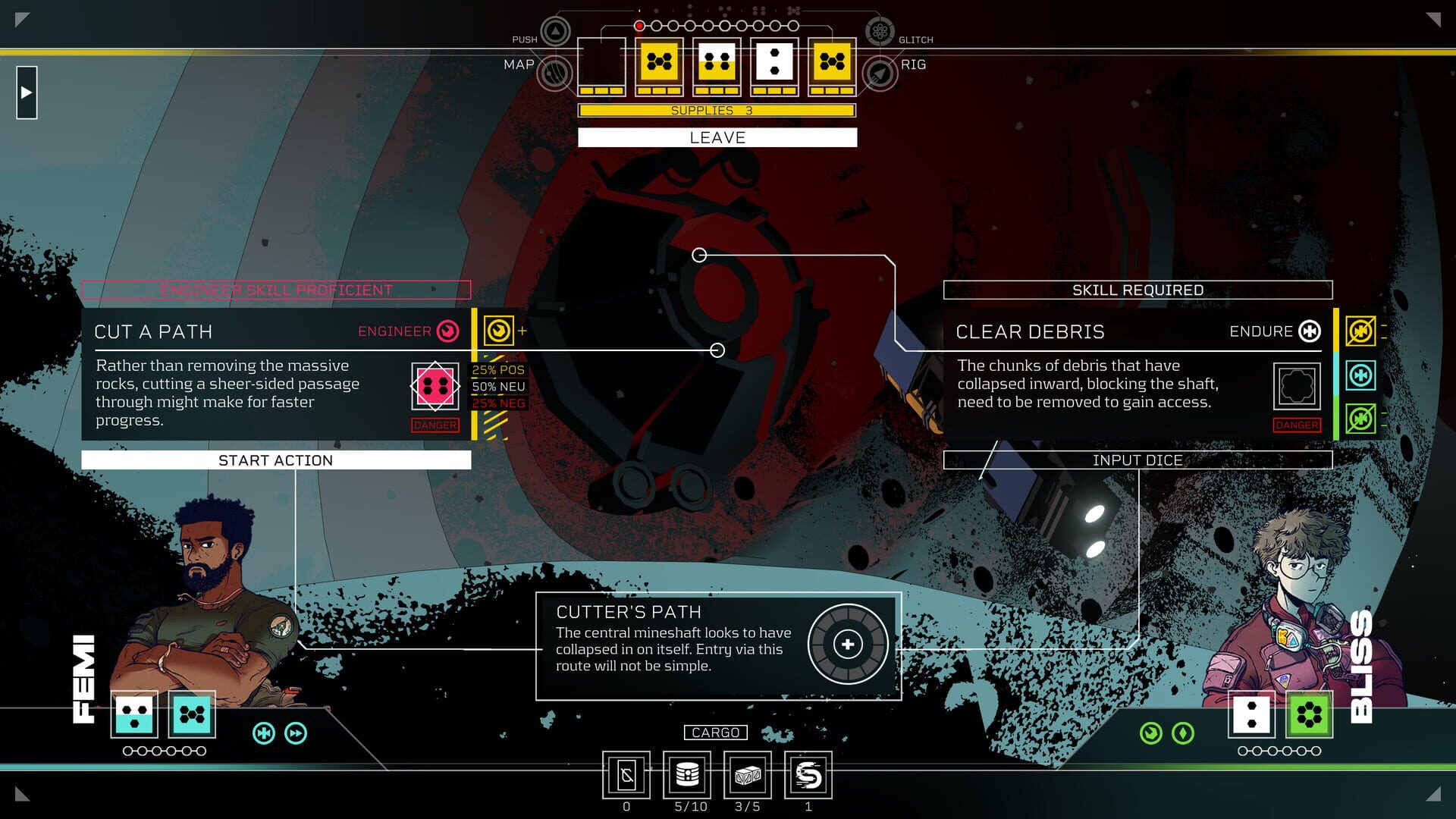
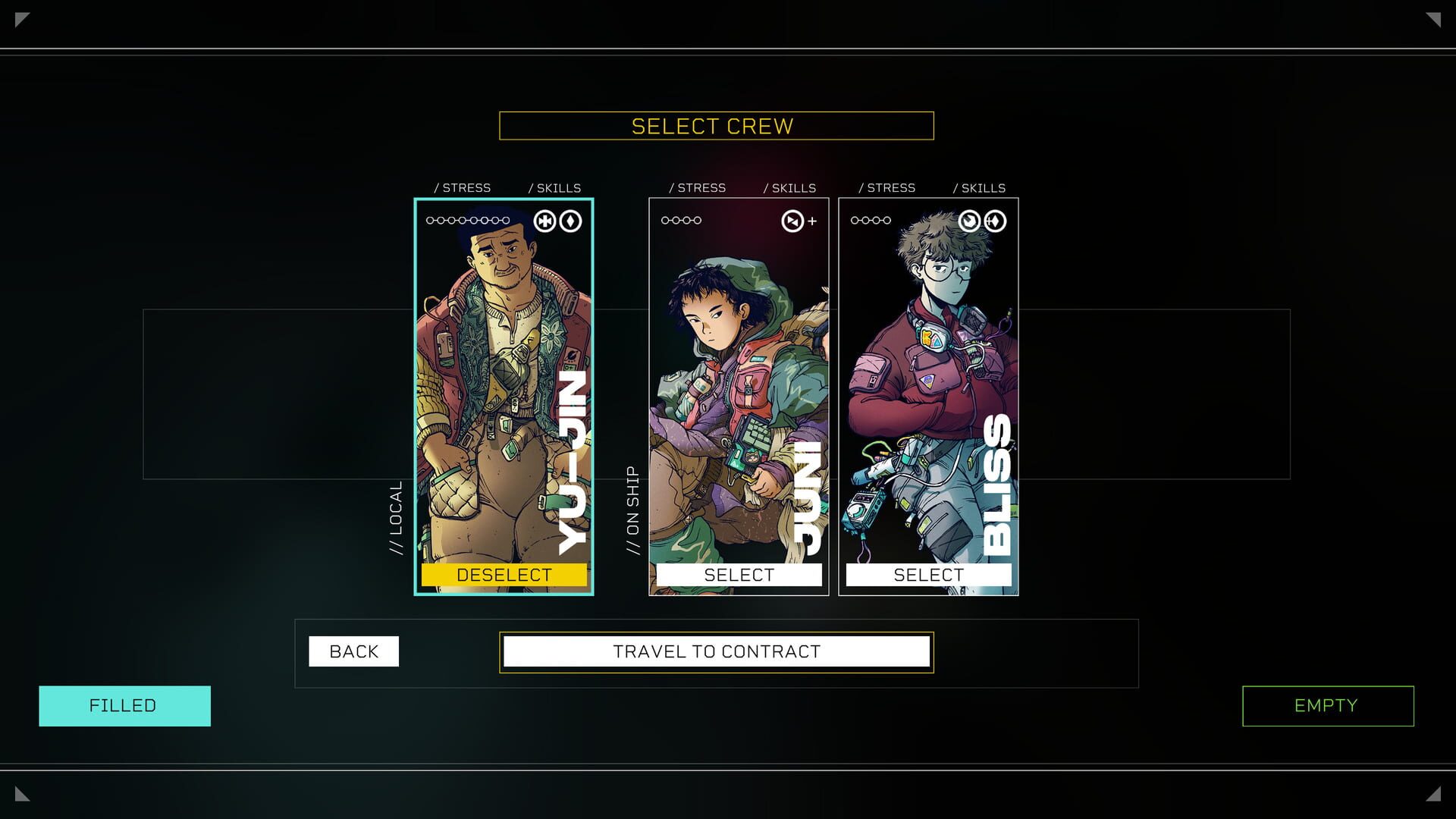
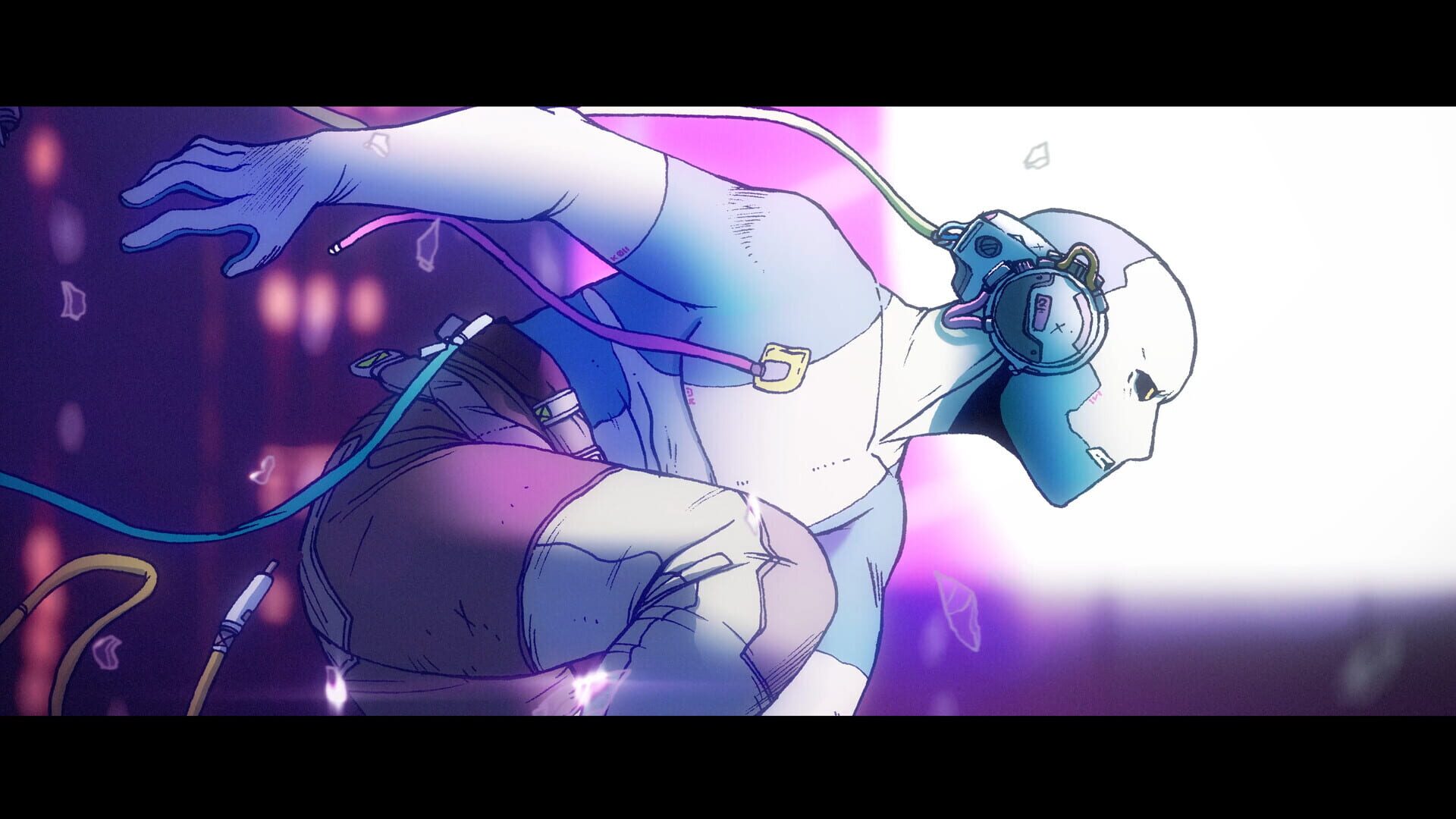
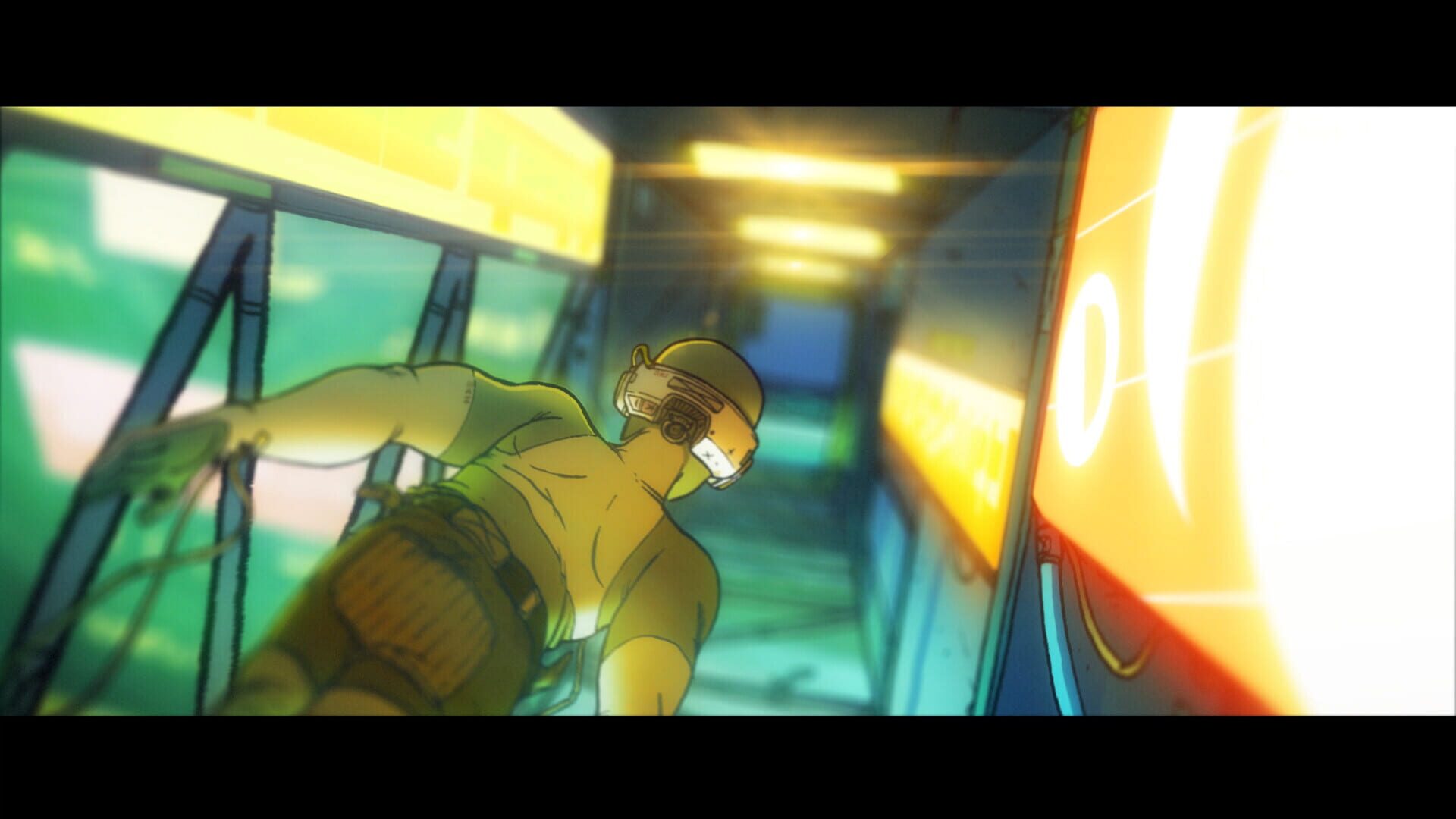
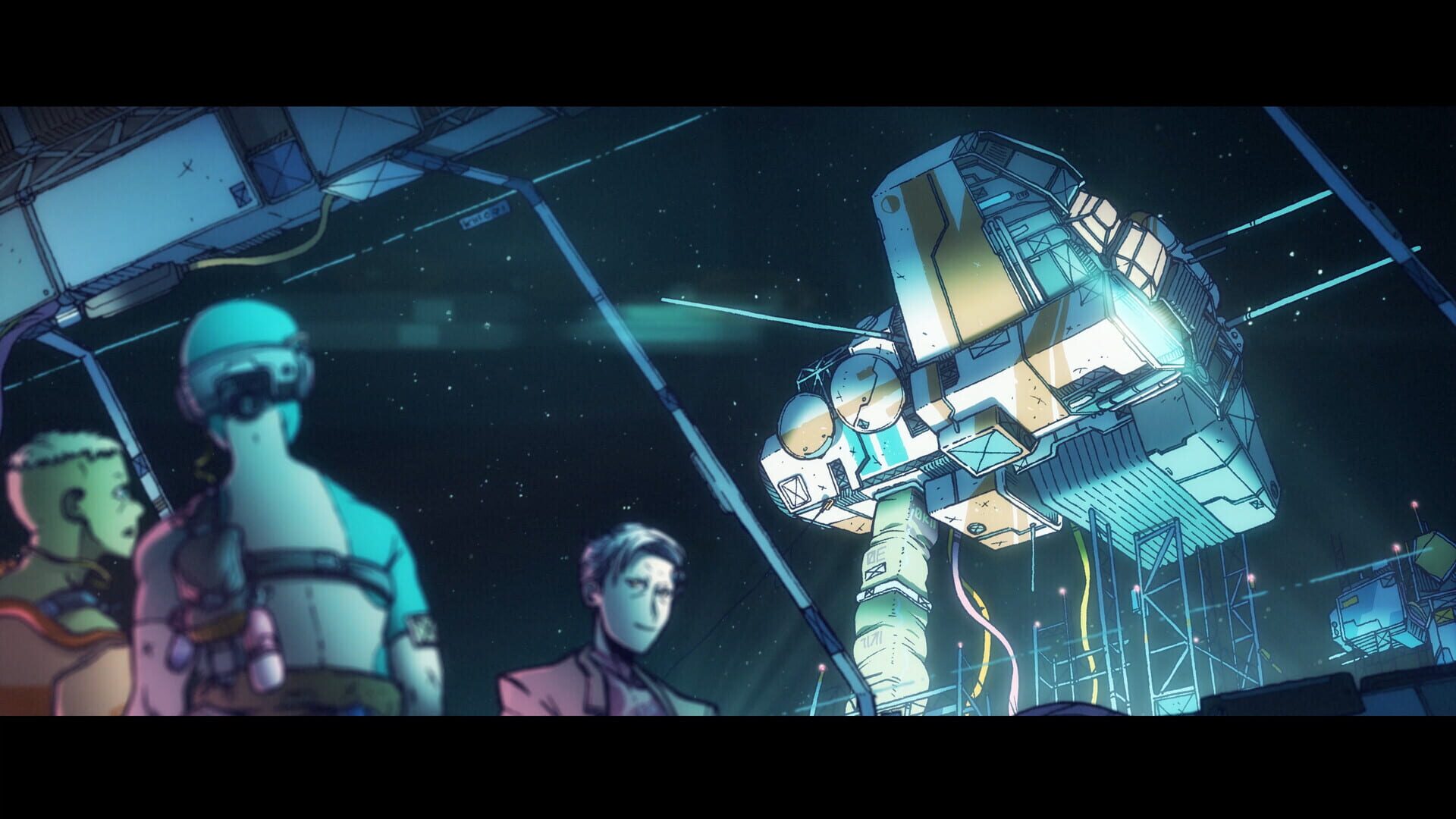
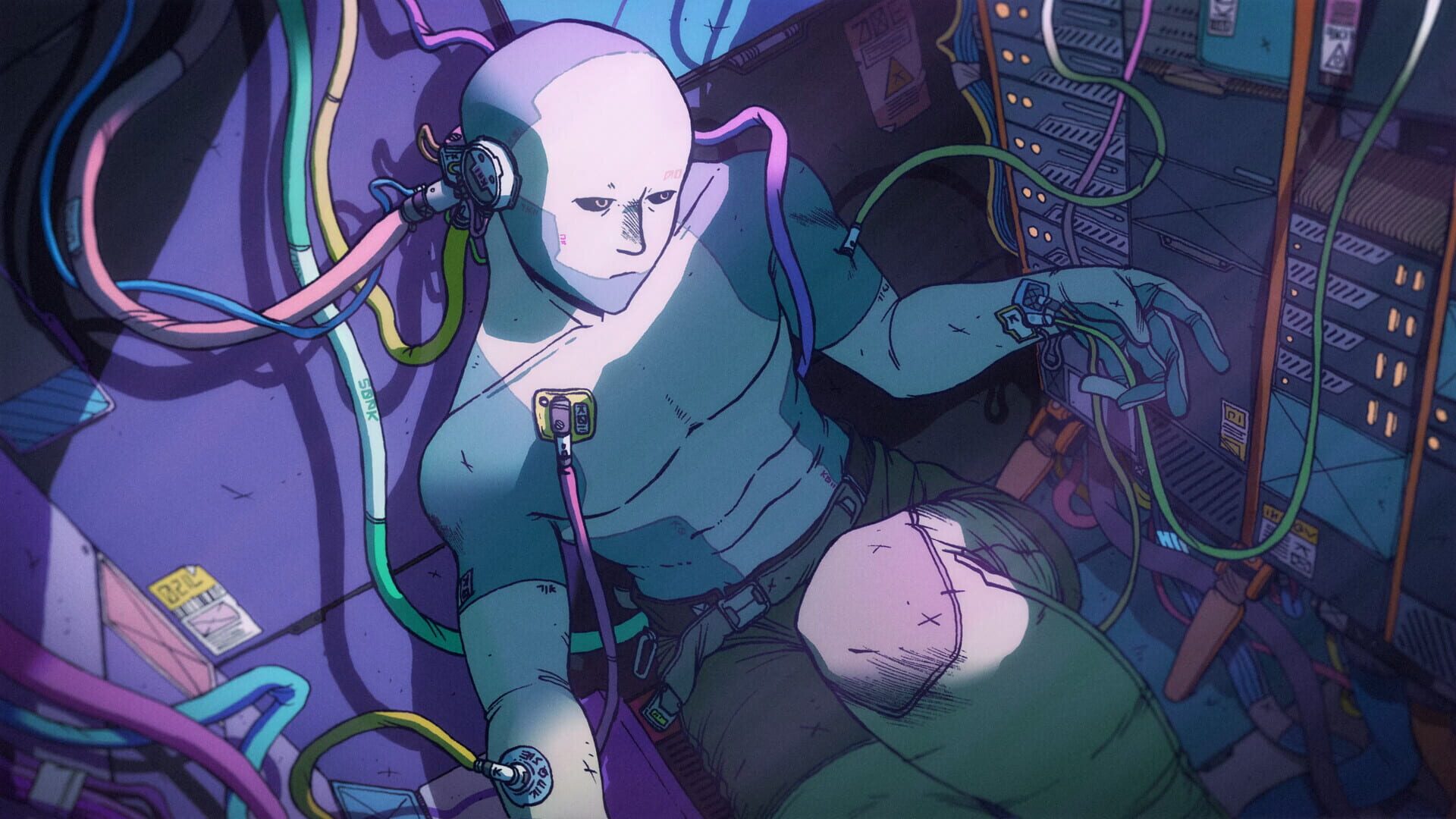
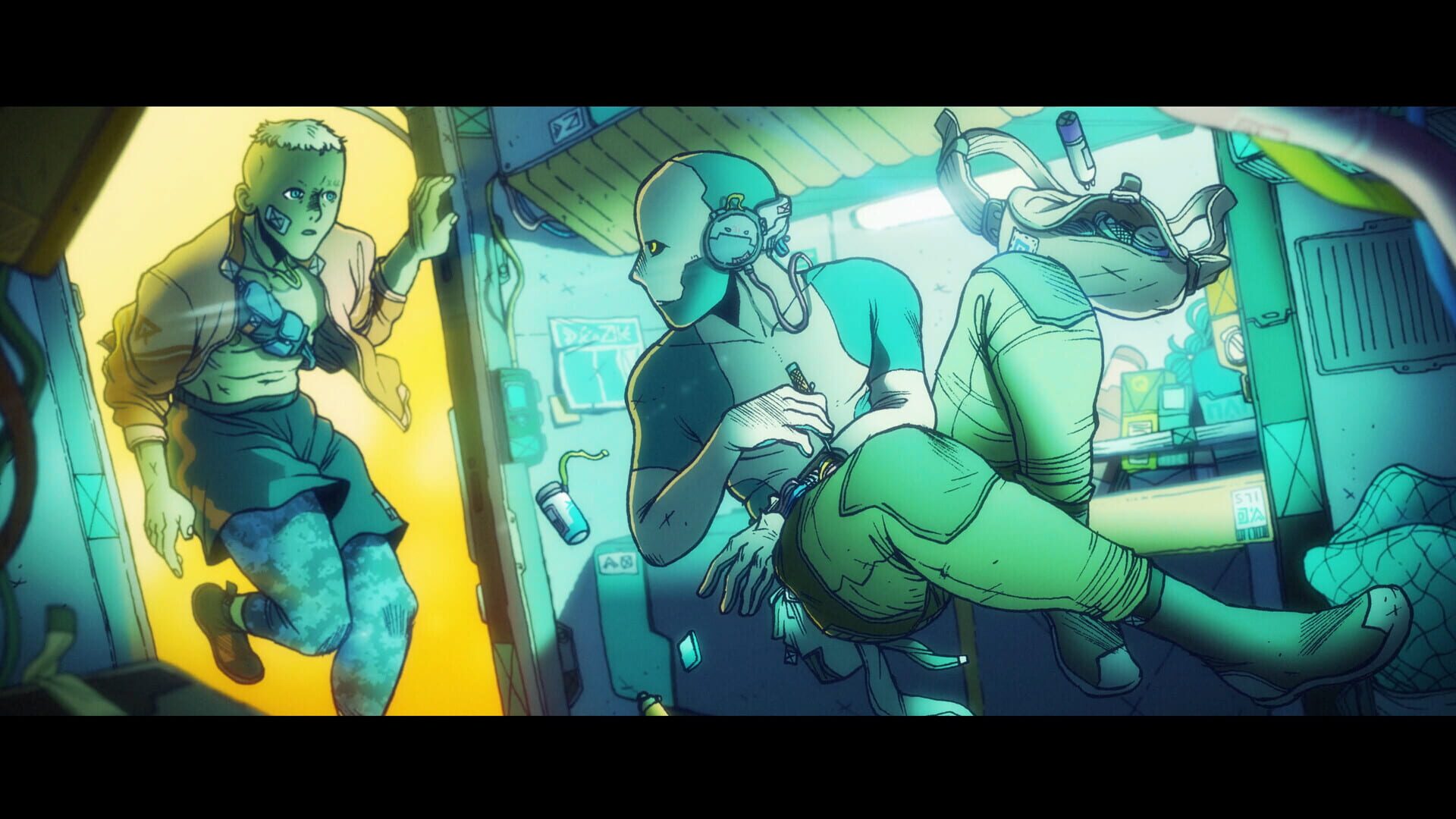
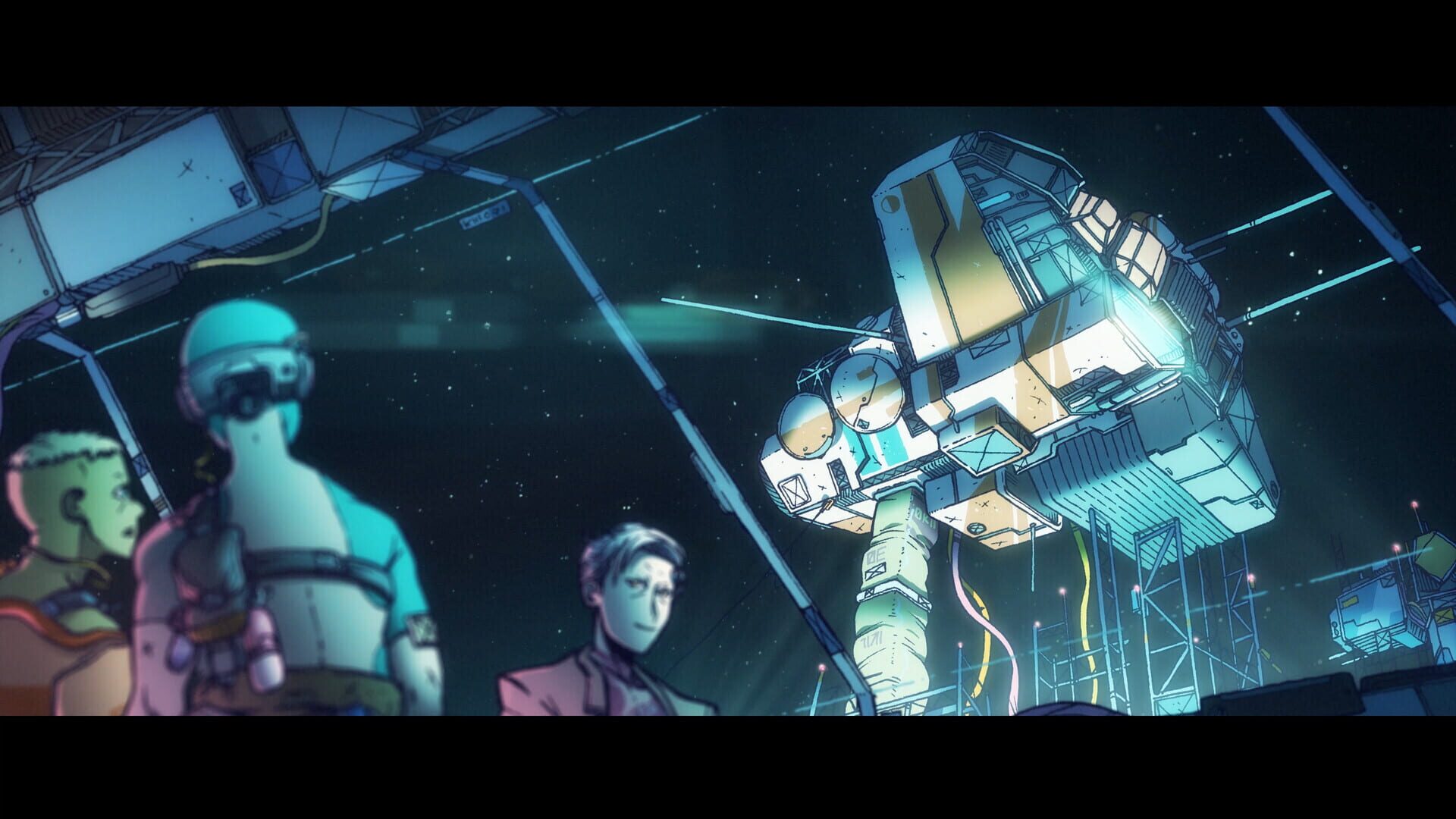
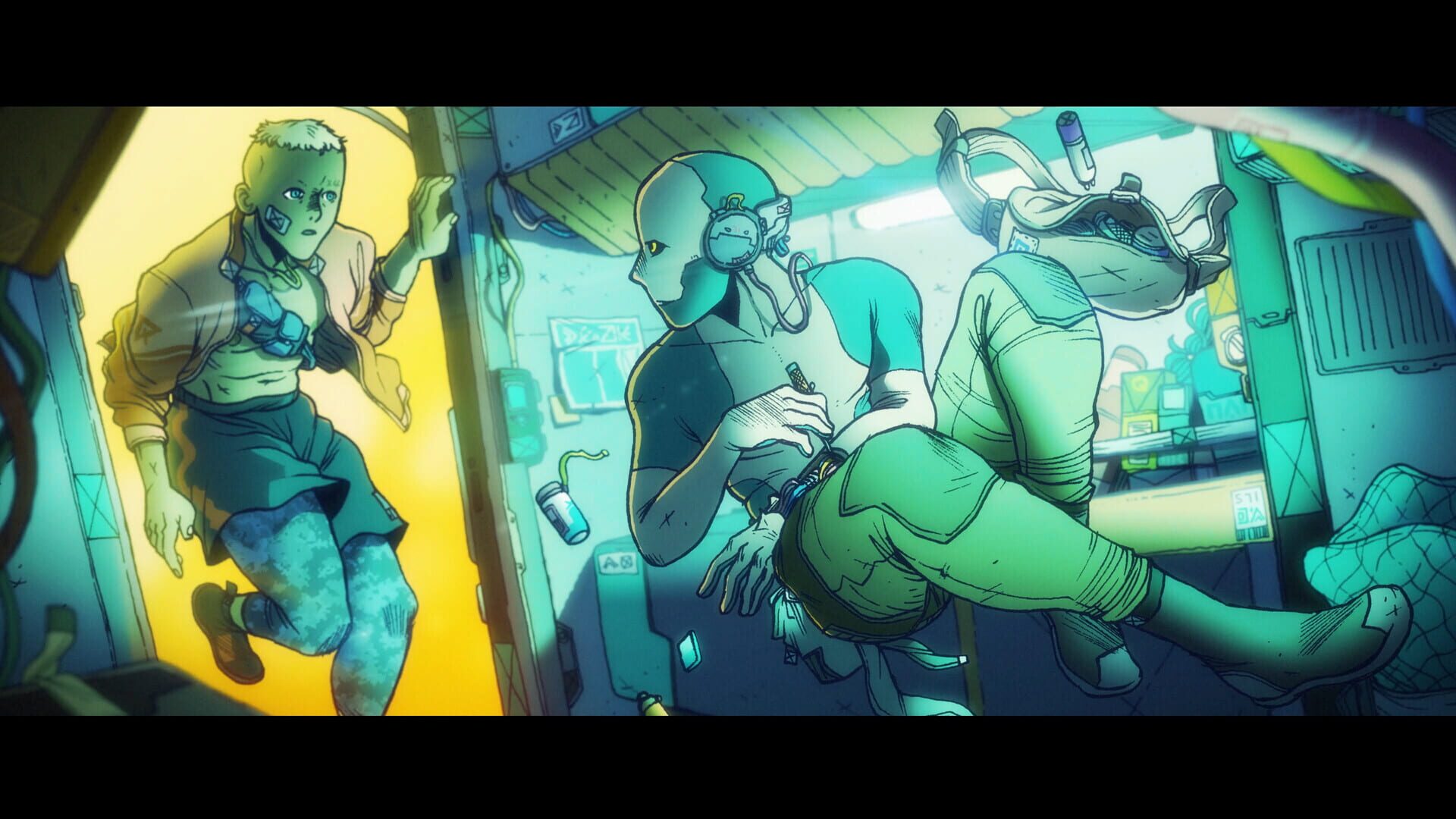
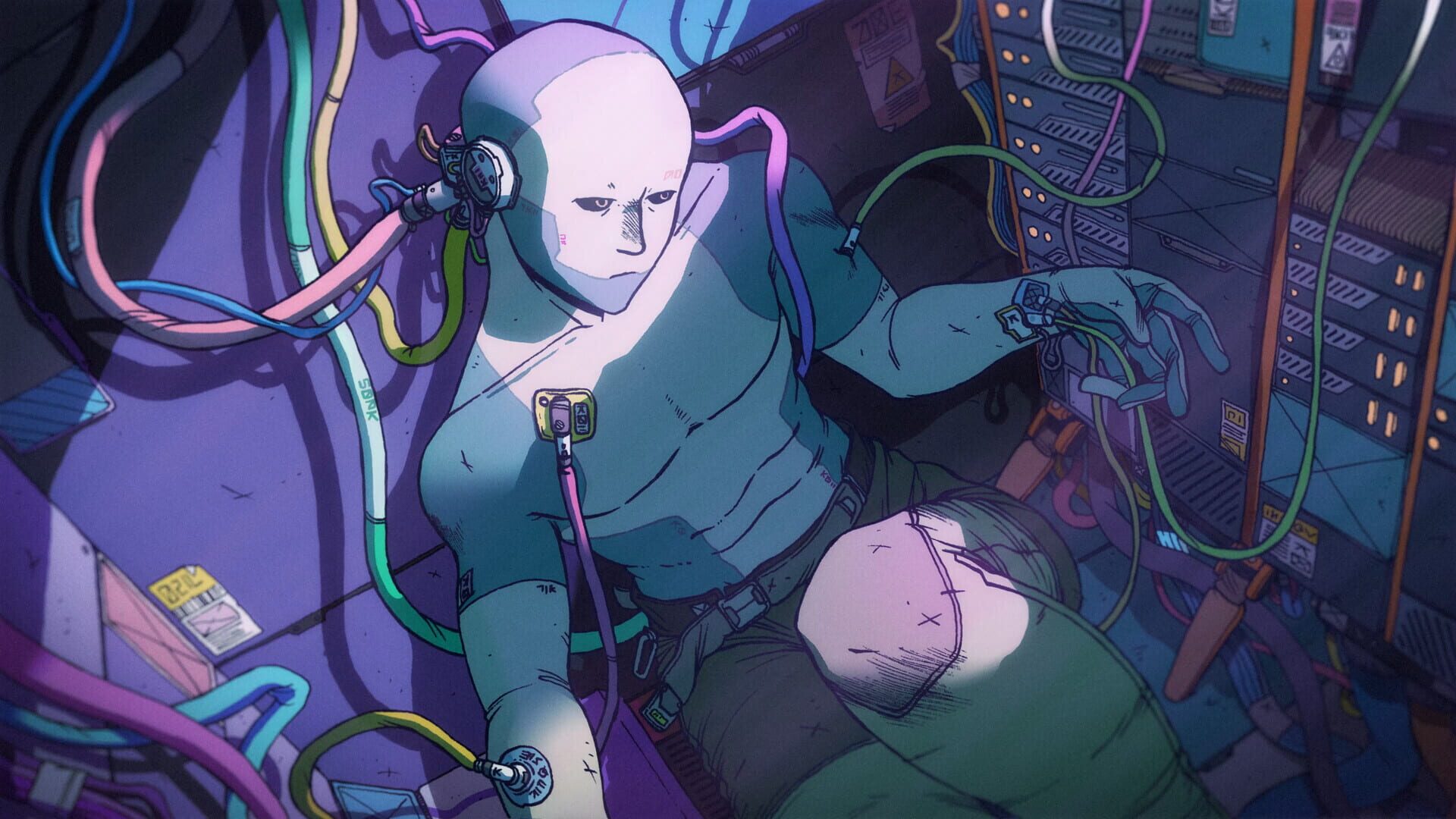
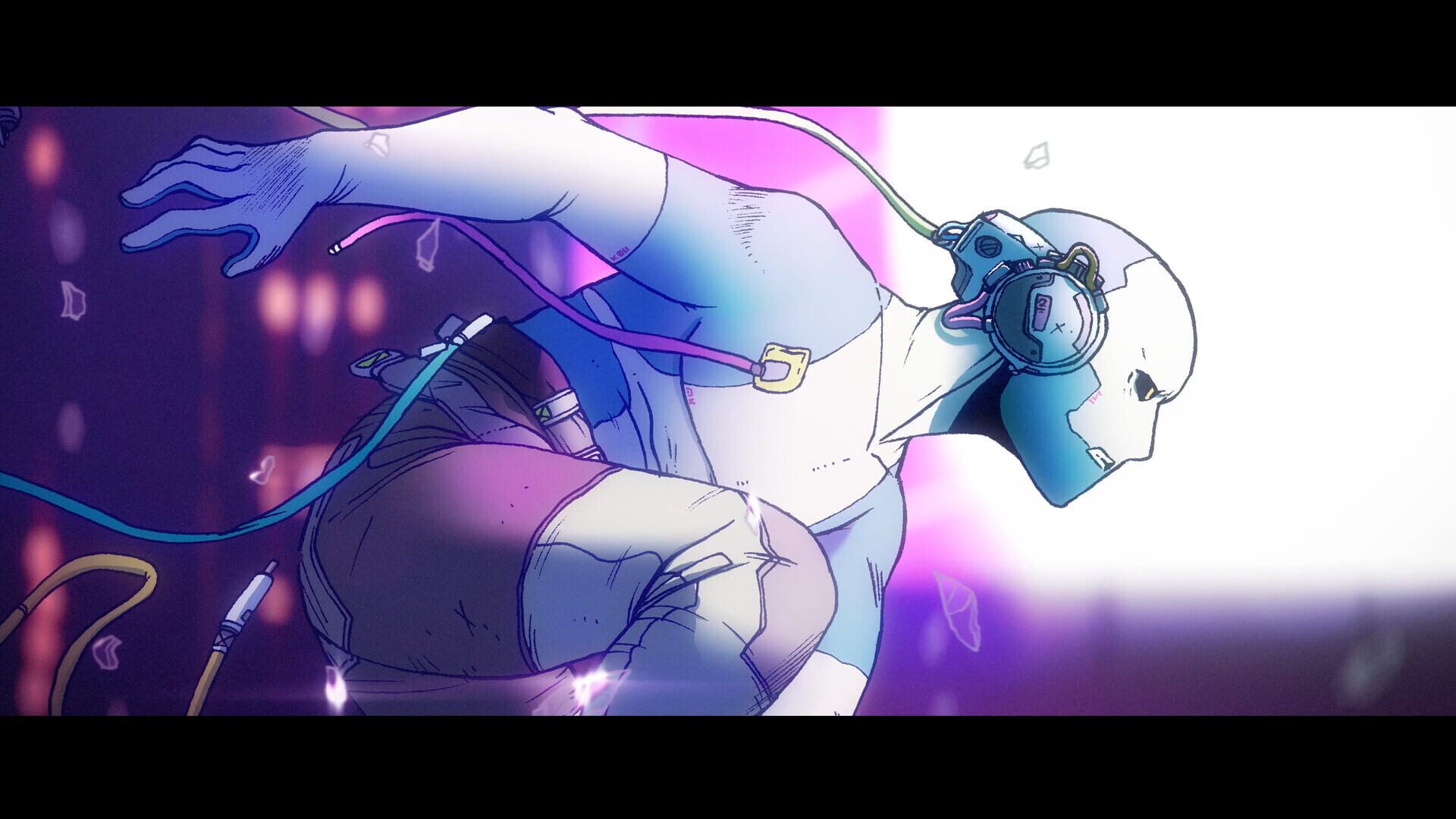
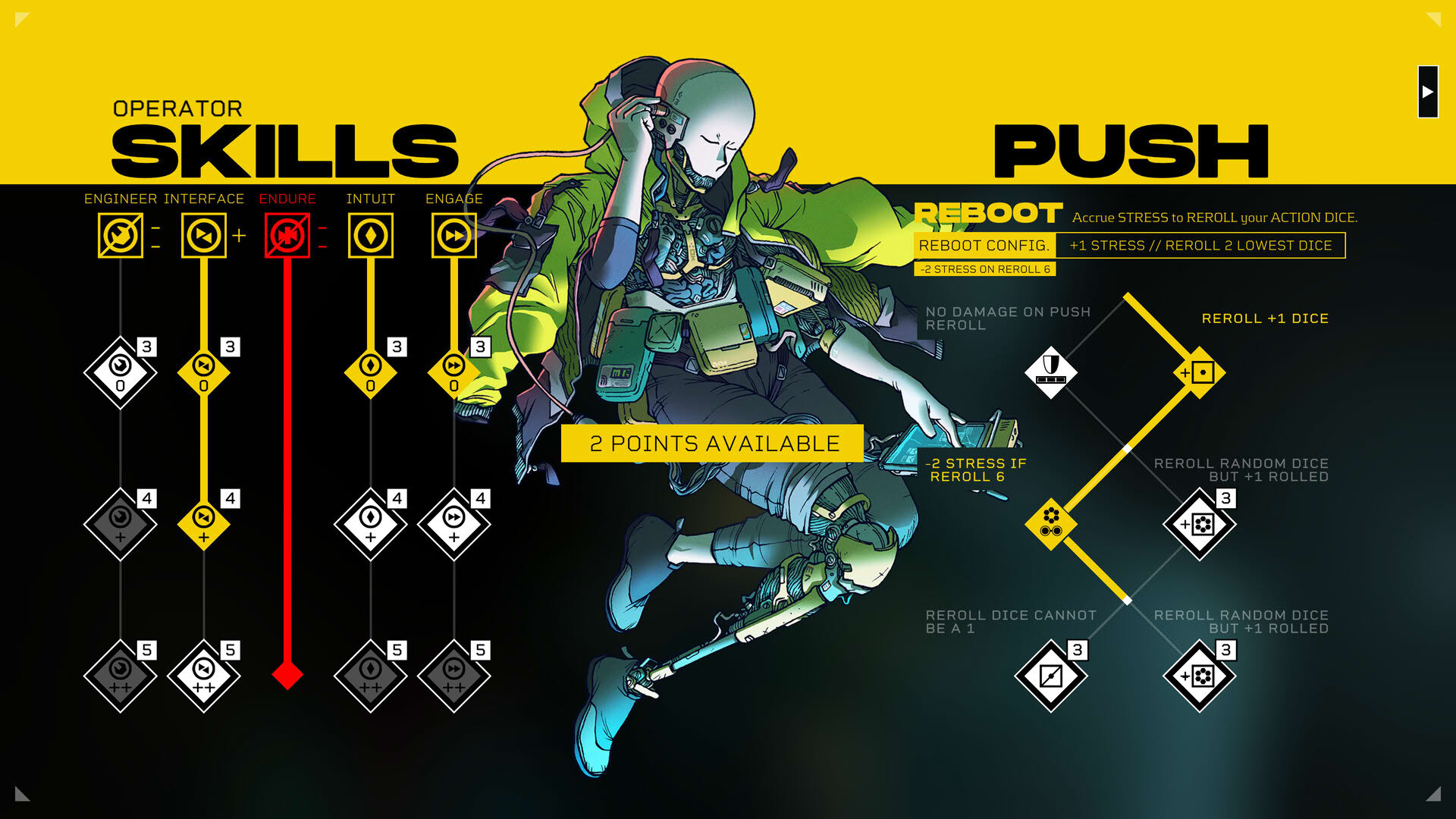
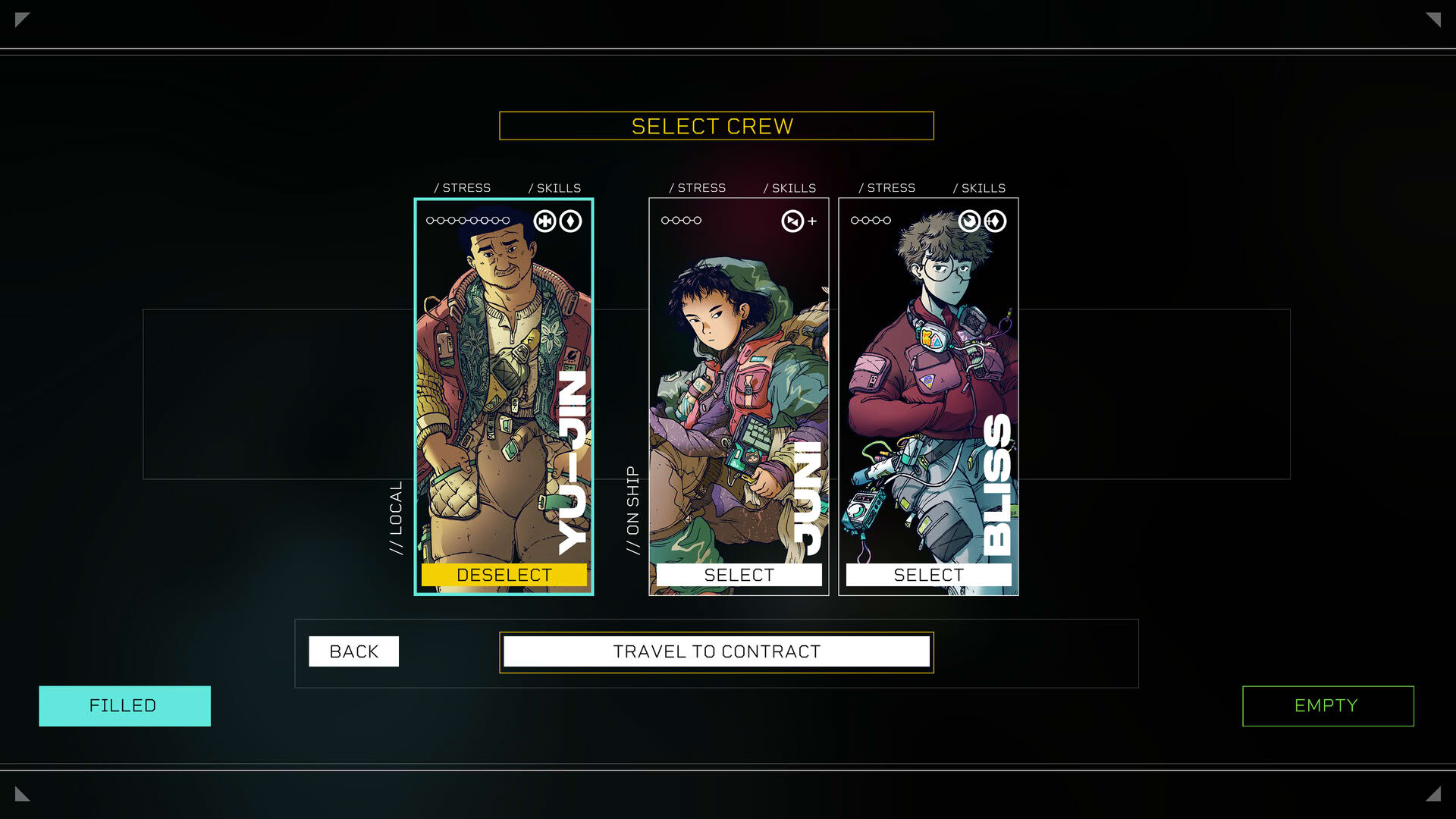
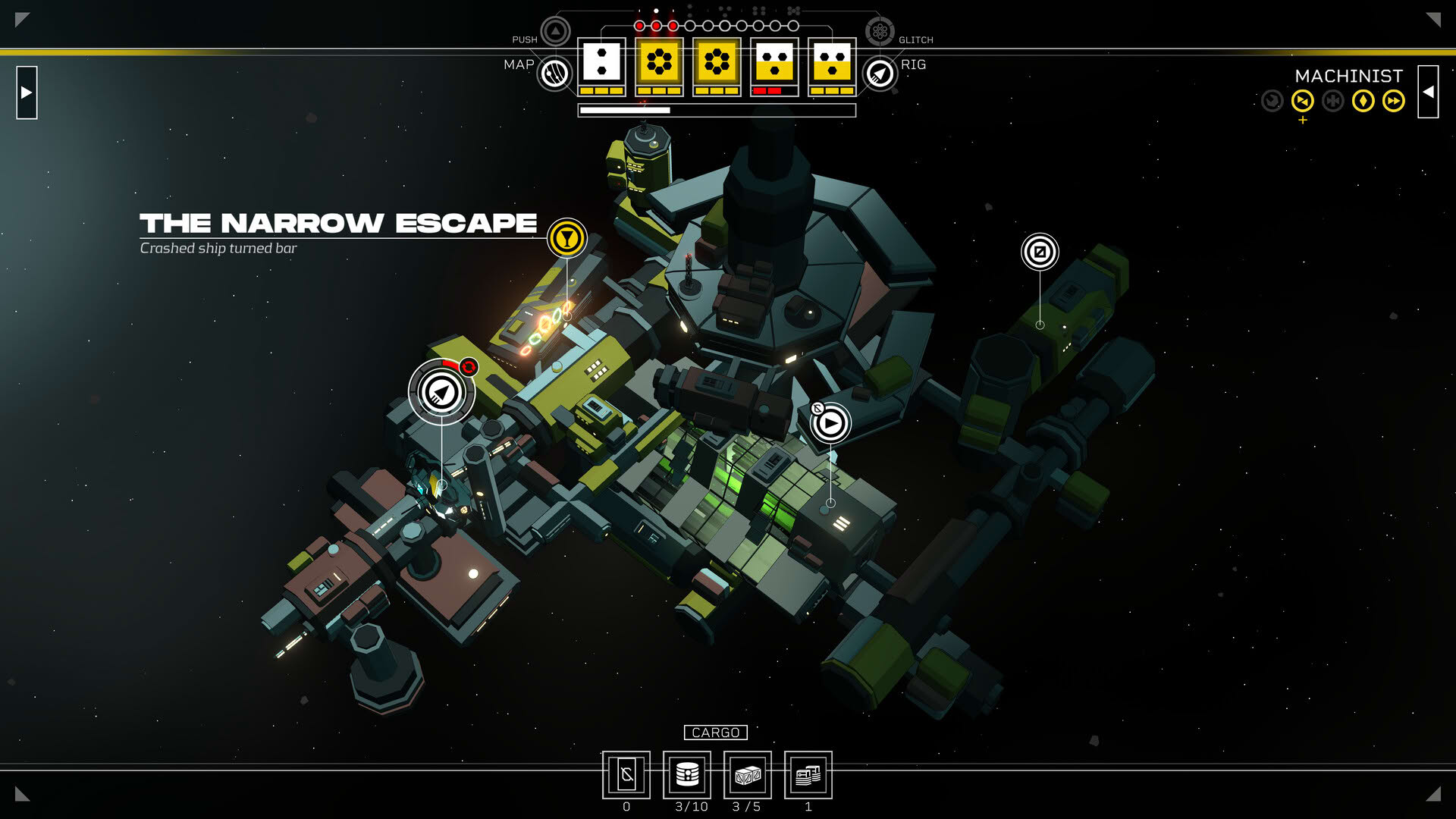
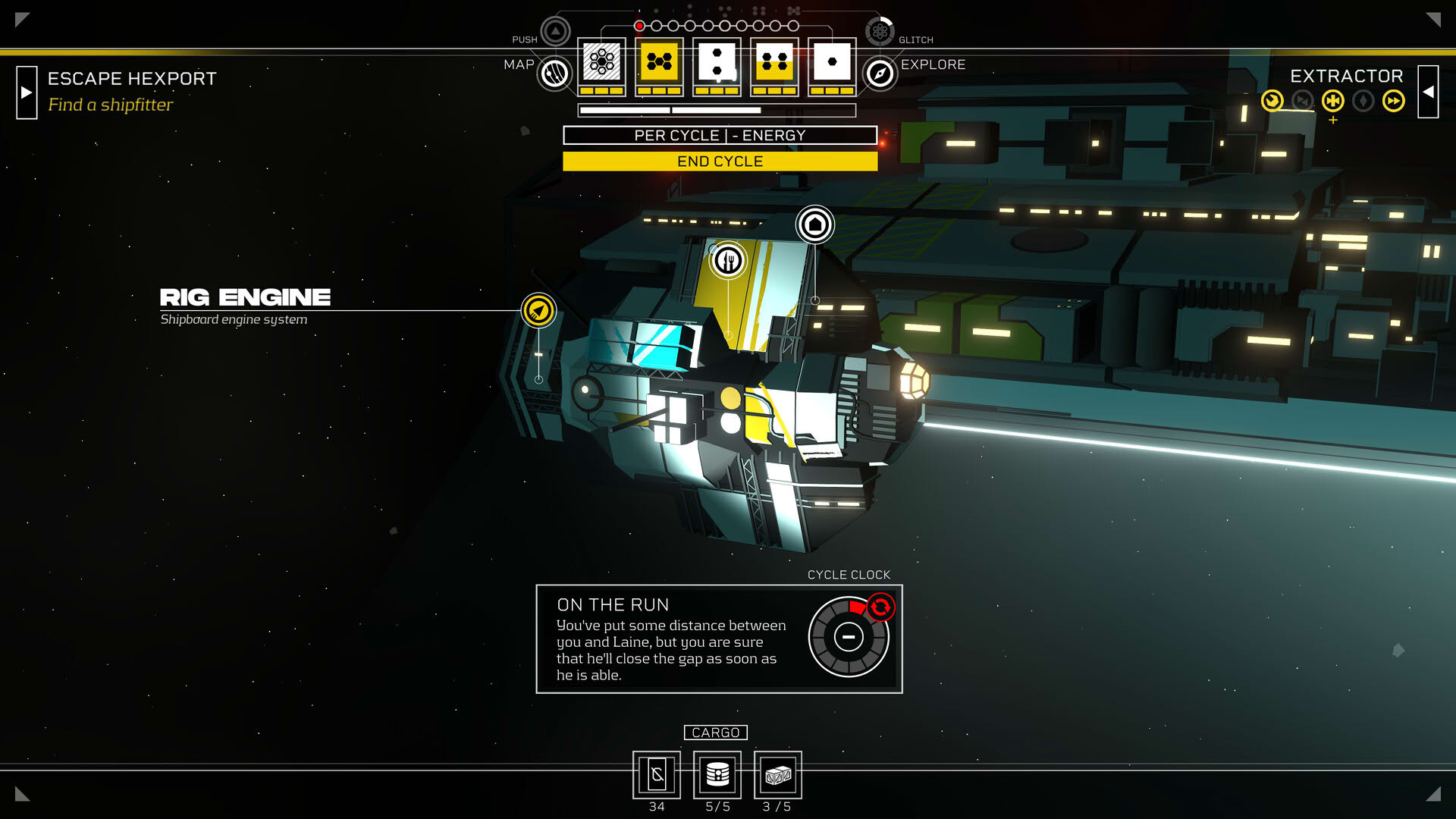
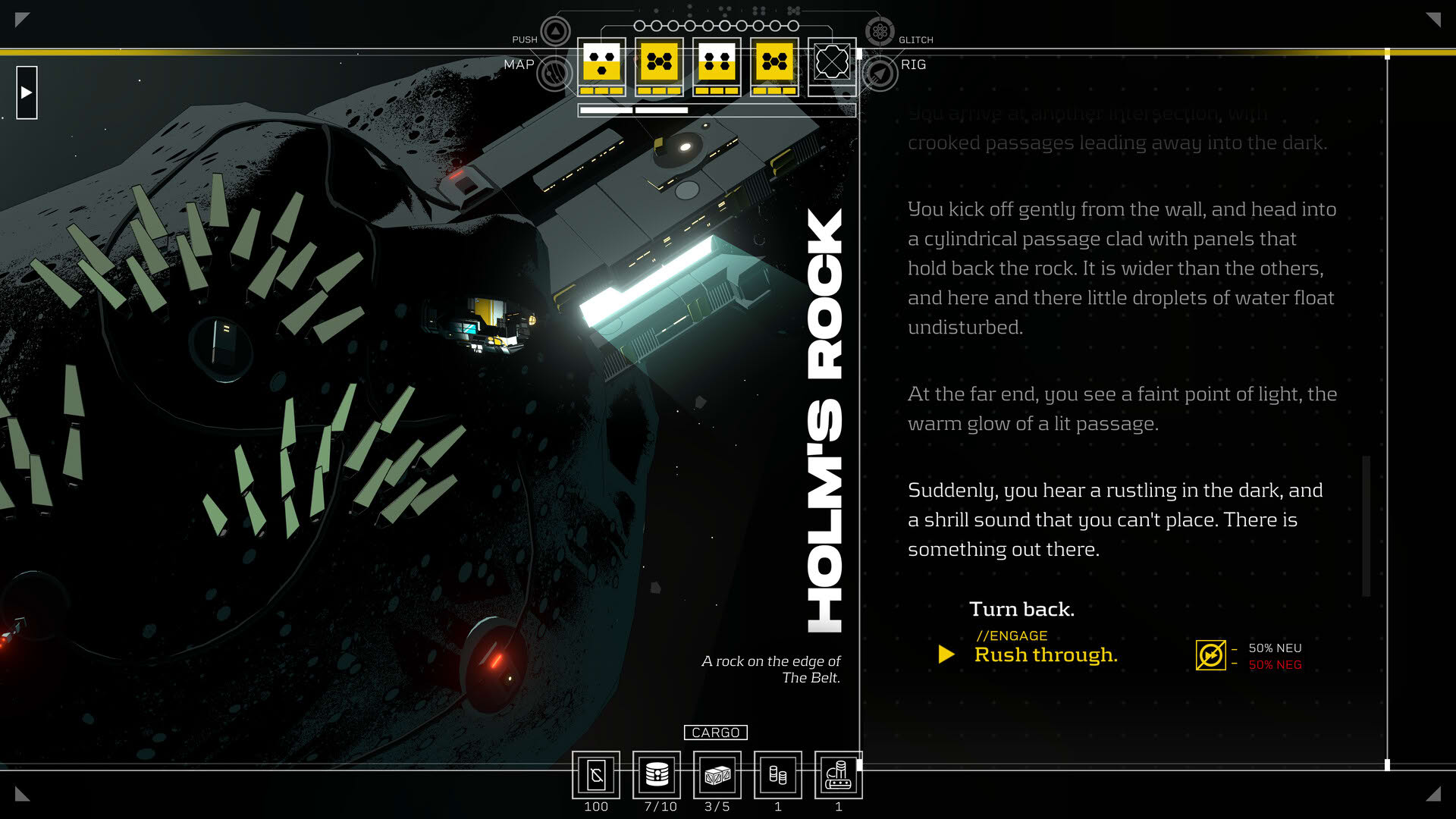
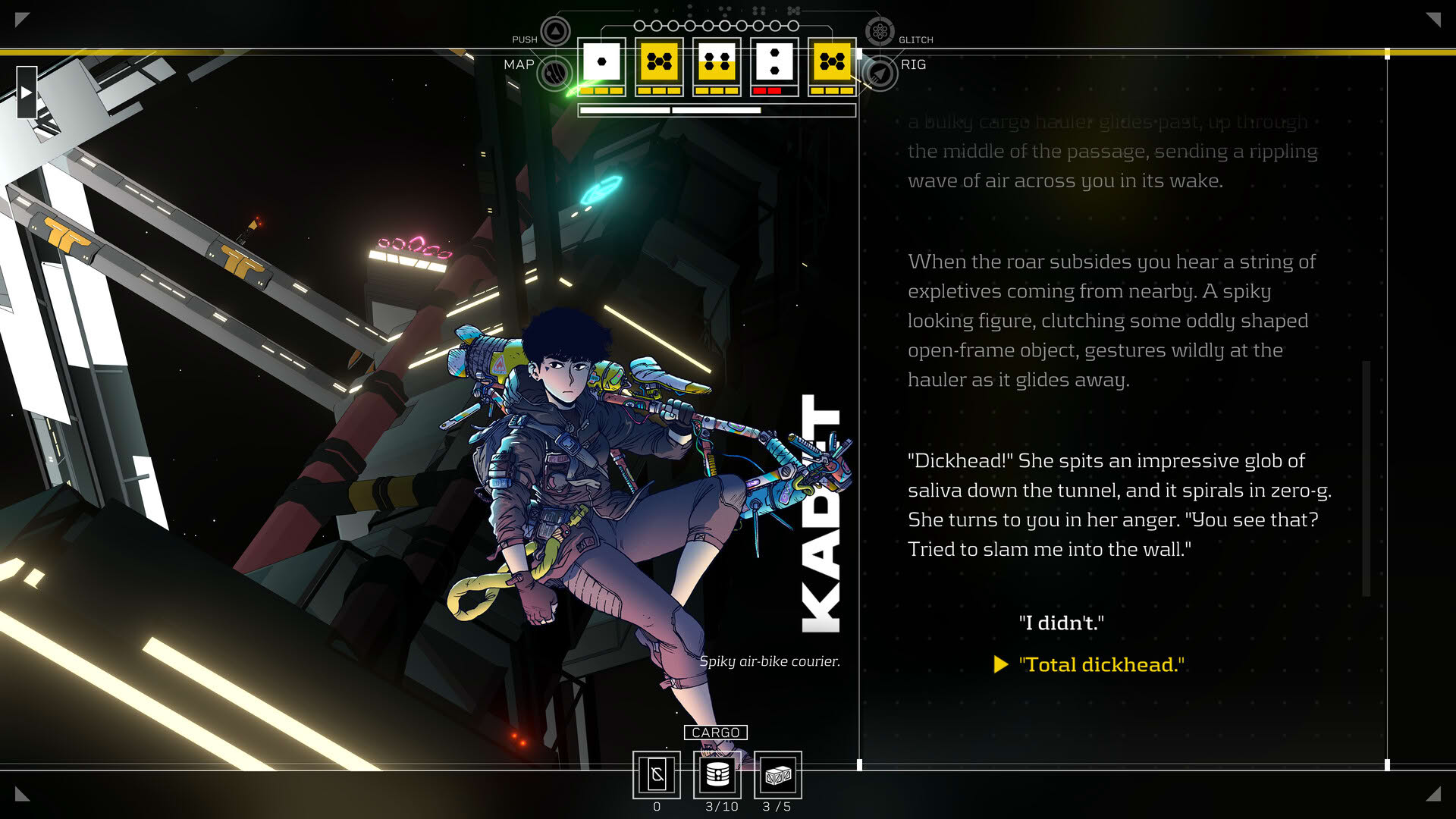
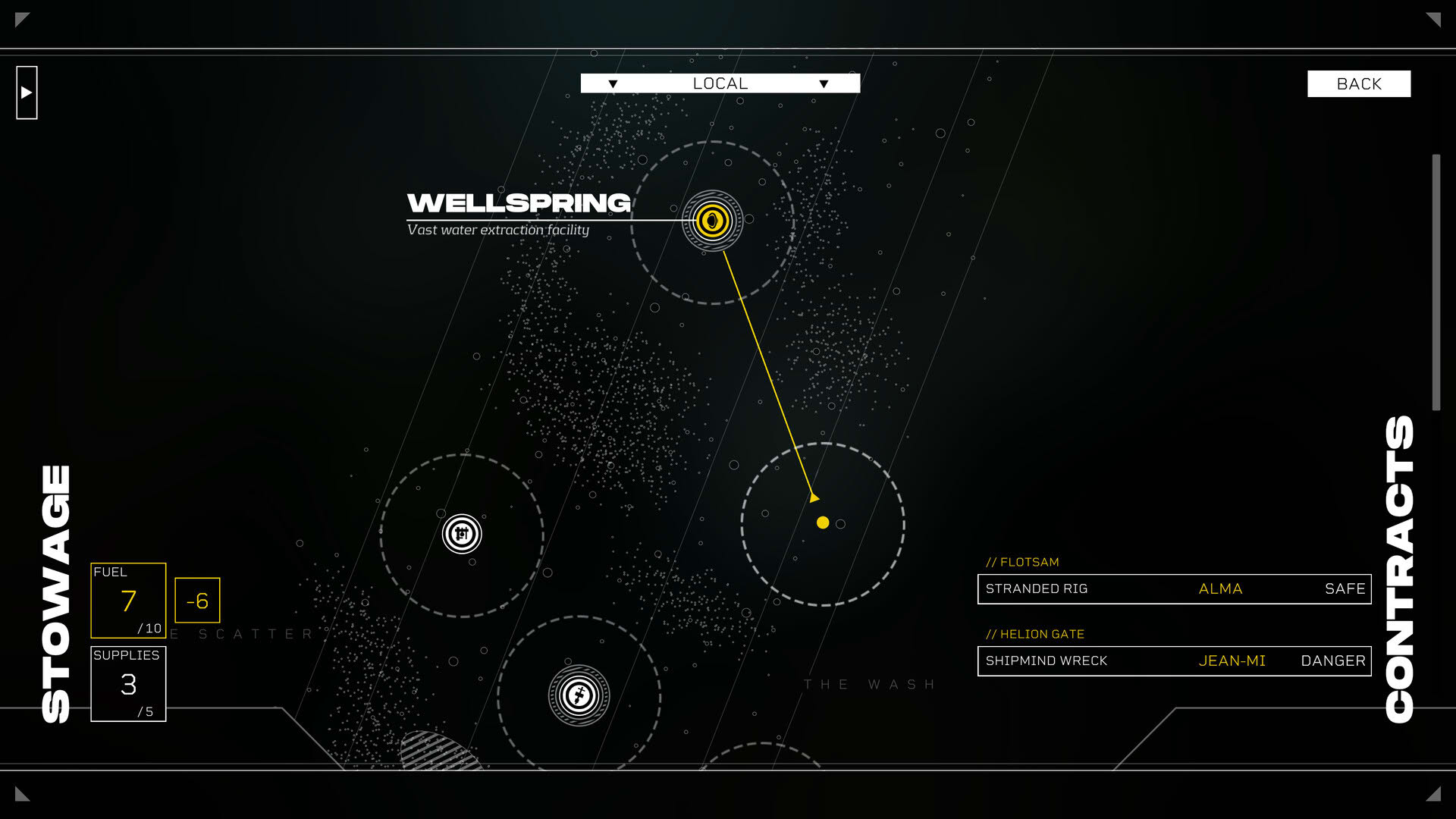
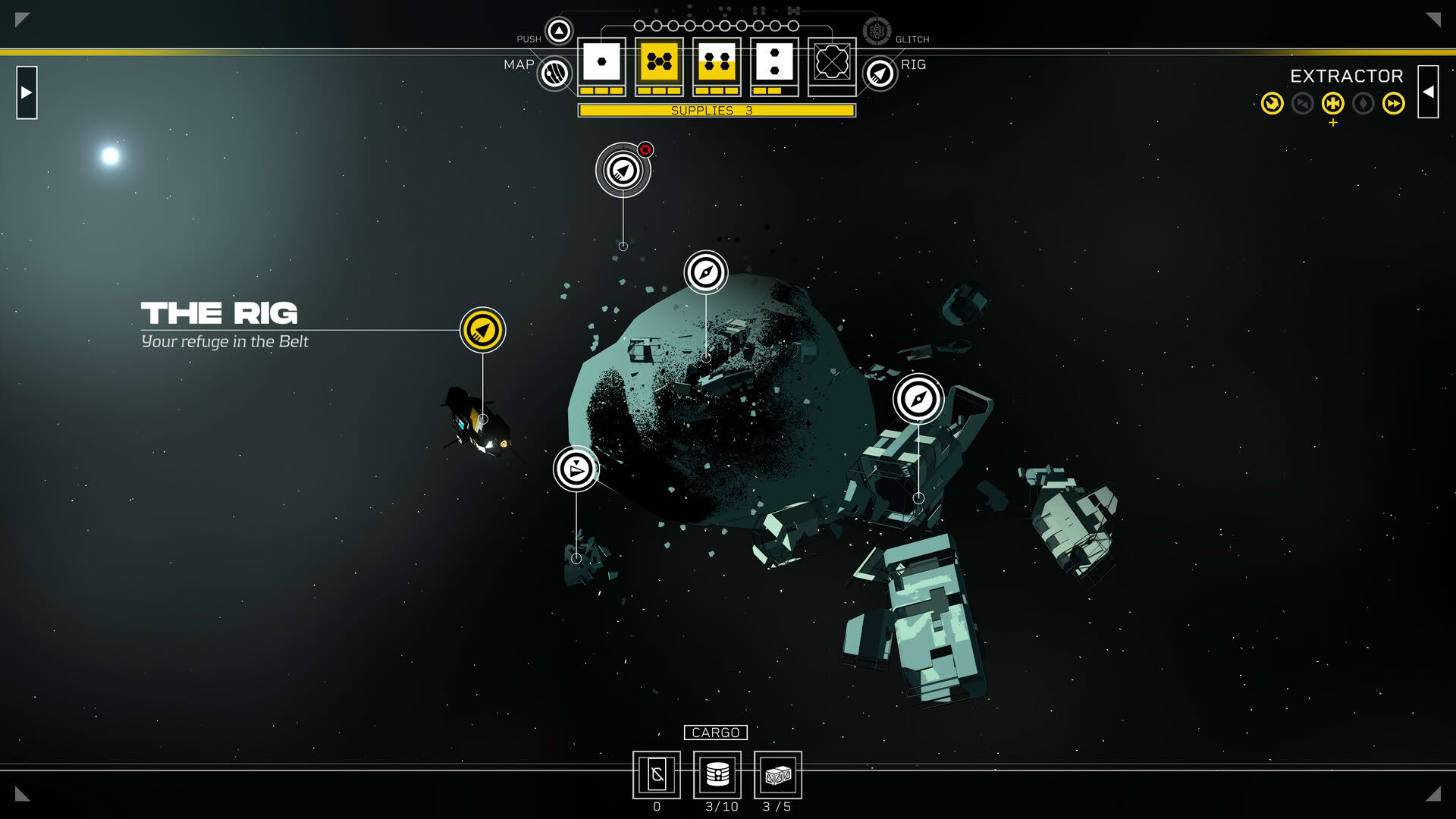
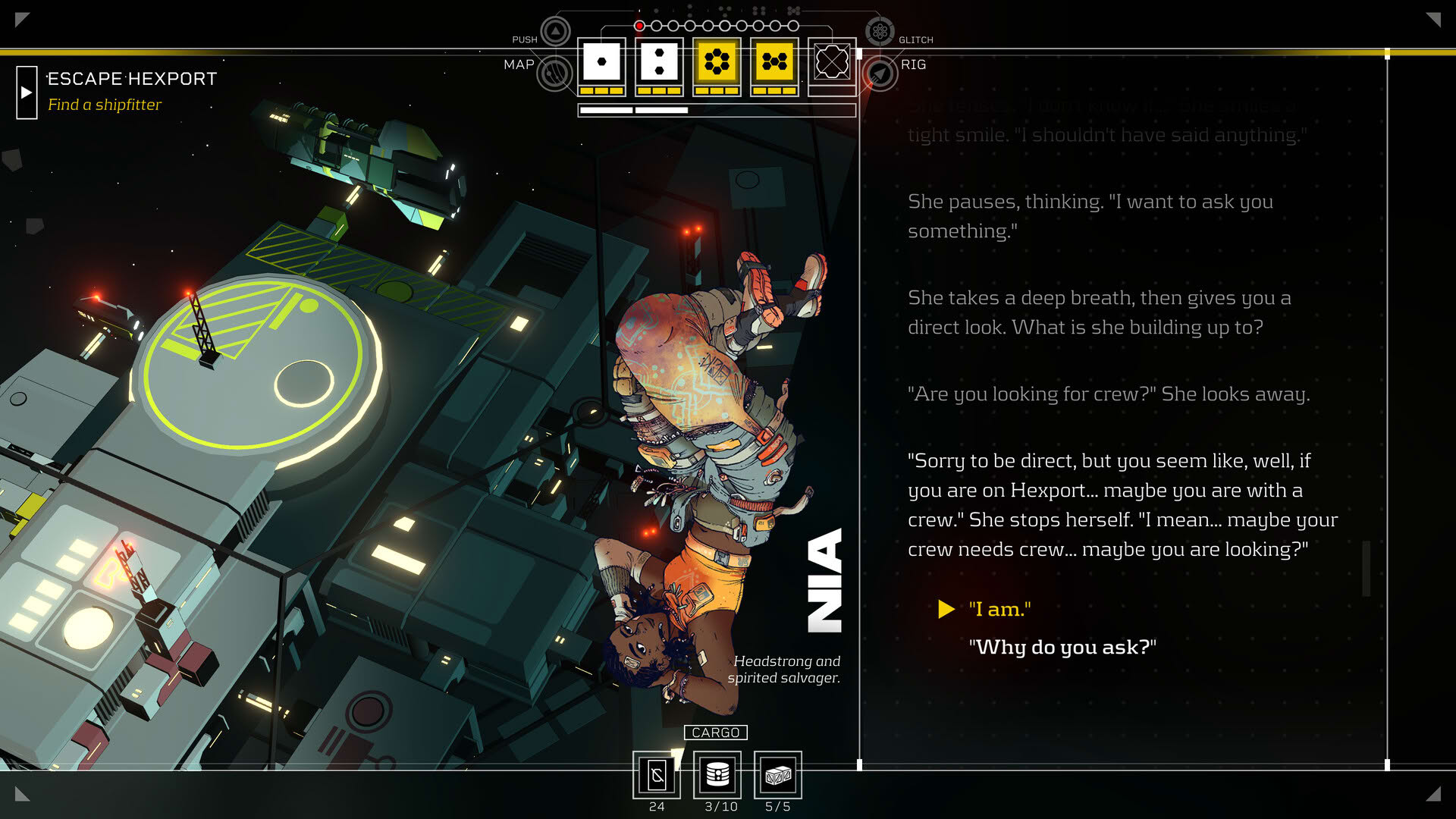
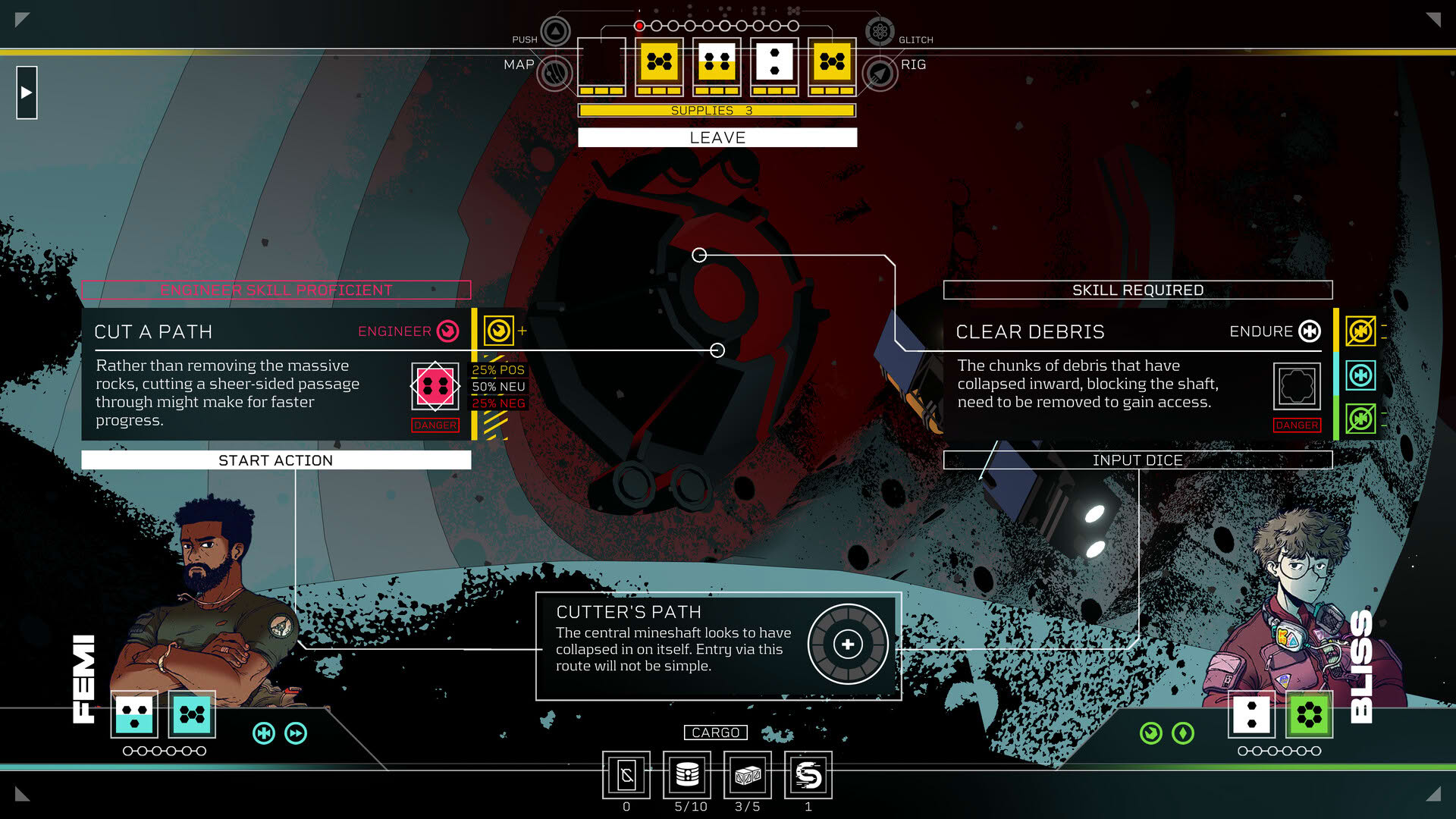
Citizen Sleeper 2: Starward Vector is a narrative-driven science-fiction RPG in which players take on the role of a Sleeper, an artificial human. Using a tabletop-inspired dice system, players manage resources, make difficult choices, and build relationships while seeking a new life among the settlements of the Starward Belt. Expanding on the original game, the sequel introduces a customizable ship, recruitable crew members, and high-risk contracts that require planning and adaptation. Player choices, character classes, and skill-based interactions shape both the story and the path forward.
It’s possible that I’m simply not the target audience for the series. Which is funny, to say the least, considering I’m a huge fan of cyberpunk—and books in general.
What initially struck me—and what Citizen Sleeper 2 seems to confirm—is that the series straddles two worlds (gaming and literature) yet lacks the strength to fully realize itself in either....
The strength of the Citizen Sleeper series, especially in this sophomore release, is realizing this very message. Home isn’t where you await the next cycle to begin but where you have the freedom and space to make mistakes.
The first Citizen Sleeper used beautiful, haunting lines of prose to thread together a deep, engrossing world, and its sequel builds on that with refined gameplay and more locations to explore. It's almost the perfect sequel to one of my favorite Xbox Game Pass titles, but a wider world does mean a little less depth as well.
It’s incredibly grounded, and something I wish we would see more of in sci-fi. Citizen Sleeper’s world belongs to its junkyard scavengers, grubby engineers, repair technicians, cargo haulers, and everyone else on this ramshackle asteroid belt.
I really enjoyed Citizen Sleeper 2: Starward Vector, especially travelling between different locations. The new dice system is a bit too much, though, and little would have been lost if only one of the broken or glitched dice concepts was used. The story and writing are still great, though being spread across a wider setting means it does lose some...